Quantum Computing Stocks Gain Momentum as IonQ and Alphabet Lead Sector Growth
IonQ reports a 755 per cent revenue jump in the first quarter, while D-Wave and Alphabet advance their respective niches in optimisation and cryptography.
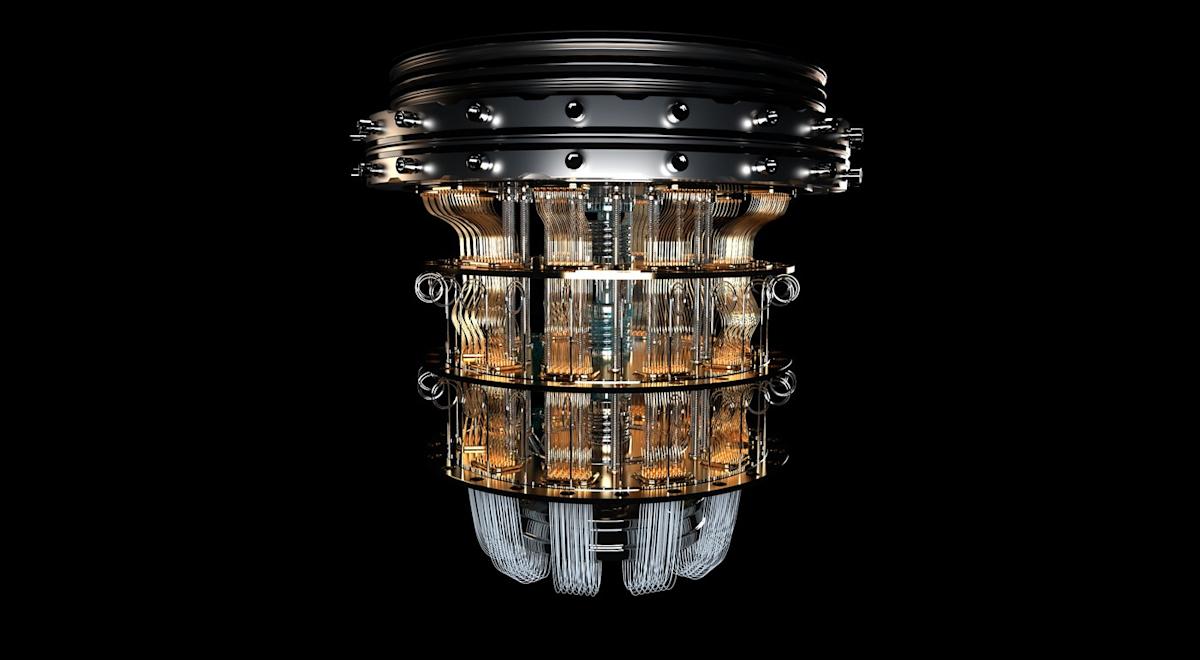
An investment analysis published by The Motley Fool on 10 May 2026 has highlighted three specific equities as leading candidates in the quantum computing sector for May 2026. The report identifies IonQ, D-Wave Quantum, and Alphabet as the primary stocks to monitor, noting that while the technology may not yet rival the current hype surrounding artificial intelligence, its commercial viability is approaching faster than many projections suggest.
IonQ has emerged as a standout performer in the gate-based quantum computing space, driven by significant improvements in system accuracy and qubit capacity. The company reported a staggering 755 per cent year-over-year revenue surge in the first quarter of 2026. This growth was underpinned by the achievement of a 99.99 per cent 2-qubit gate fidelity and the securing of its first sale for a 256-qubit unit, a milestone that positions the firm ahead of industry peers in terms of commercial readiness.
In contrast to the gate-processing approach, D-Wave Quantum has focused its strategy on quantum annealing, specifically targeting optimisation problems in scheduling and logistics networks. This specialised application has allowed the company to carve out a distinct niche within the market. Consequently, D-Wave recorded a substantial 179 per cent increase in revenue between 2024 and 2025, demonstrating strong demand for its solutions in industrial settings.
Alphabet represents a different model of development, relying on internal funding for its quantum research rather than external resource reliance. The tech giant has achieved notable breakthroughs in breaking cryptocurrency security protocols, a development that has prompted industry experts to call for protocol updates by 2029 to mitigate potential risks. This capability underscores the practical relevance of Alphabet's technology, with the potential to become a major provider on cloud computing networks.
While general industry forecasts often place widespread commercial quantum computing around 2030, the recent financial performance of these three entities suggests a more accelerated timeline. The convergence of high-fidelity gate systems, specialised annealing applications, and cryptographic advancements indicates that the sector is moving beyond theoretical stages toward tangible market impact.
The analysis serves as a reminder of the shifting dynamics in the technology landscape, where institutional capital is increasingly flowing into emerging sectors following strong earnings reports from broader market leaders. As these companies continue to refine their hardware and software, the investment case for quantum computing appears to be strengthening for investors looking beyond the immediate dominance of traditional tech giants.