Public health experts urged to pivot from facts to narratives in vaccine debate
New analysis suggests the US Centers for Disease Control and Prevention’s recent rhetorical shift under Robert F. Kennedy Jr. mirrors anti-vaccine strategies, complicating efforts to combat skepticism.
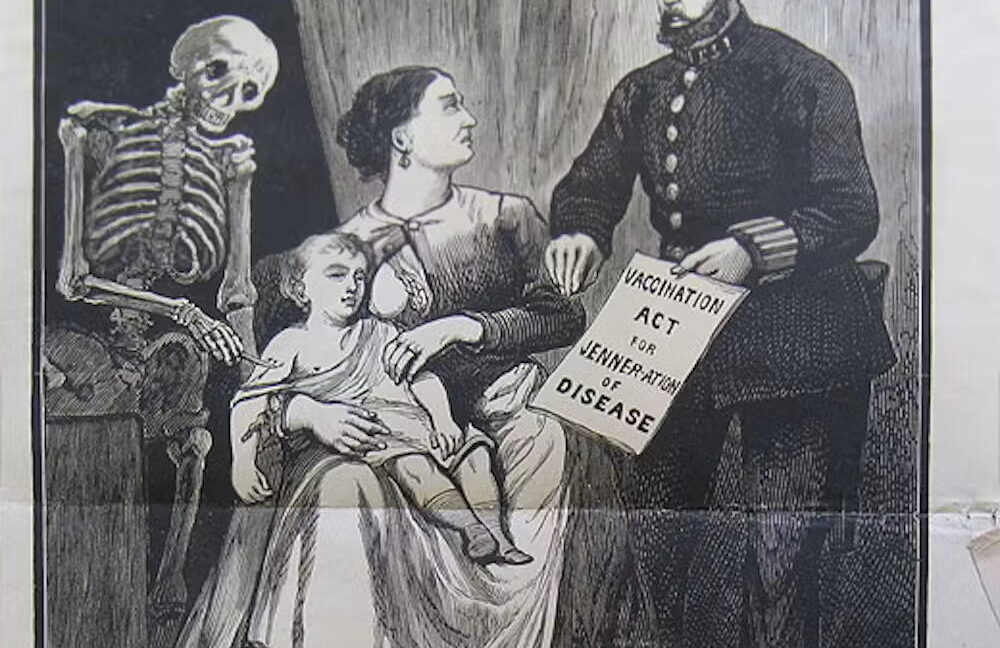
A medical humanities researcher has argued that public health professionals must move beyond factual data to address the emotionally charged narratives driving vaccine hesitancy. Katherine Shwetz, a lecturer at Rice University and the University of Toronto, contends that the traditional "information deficit approach" has failed because hesitancy is a complex issue rooted in social belonging, religious beliefs, and institutional distrust rather than a lack of scientific literacy.
Shwetz notes that vaccine-skeptic groups effectively utilise storytelling to frame vaccines as threats to individual autonomy and freedom. These groups face fewer constraints on the types of stories they can tell compared to pro-vaccine advocates, allowing them to craft dynamic, emotionally resonant narratives that science-driven messaging often struggles to match.
The article, originally published in The Conversation and republished by Ars Technica, highlights how vaccine refusal is often framed as civil resistance to a totalitarian government or a sign of mental strength. In these narratives, vaccines become symbols of perceived dangers to a person’s sense of self, reflecting broader non-medical anxieties rather than actual physical risks.
This rhetorical strategy has been mirrored by the US Centers for Disease Control and Prevention under Health and Human Services Secretary Robert F. Kennedy Jr. The CDC recently proposed a rollback of the childhood vaccine schedule, framing the change as a return to "individual-based decision-making." Kirk Milhoan, head of the Advisory Committee on Immunization Practices, described the debate as a question of "autonomy versus public health."
Experts suggest that acknowledging these narratives and the underlying distrust in institutions is necessary to effectively combat hesitancy. This includes recognising valid reasons for medical skepticism among marginalised groups, such as the legacy of forced medical experimentation and systemic discrimination experienced by some Black Americans.
Understanding these stories offers a more nuanced way to engage with vaccine-hesitant individuals. By identifying the specific storytelling techniques at play and acknowledging the perspectives of those concerned, public health officials may create a more respectful environment that addresses the root causes of skepticism.
Promoting health and scientific literacy alone is unlikely to allay concerns among those who have aligned their views with broader narratives about untrustworthy institutions. A shift towards addressing the emotional and narrative components of hesitancy is essential for rebuilding trust and improving public health outcomes.