PsiQuantum targets 2027 for Australian quantum facility as Pentagon signals confidence
The company, which has secured $1 billion in investment, aims to operationalise its Australian site by 2027, leveraging semiconductor infrastructure and attracting scrutiny from the US Defence Advanced Research Projects Agency.
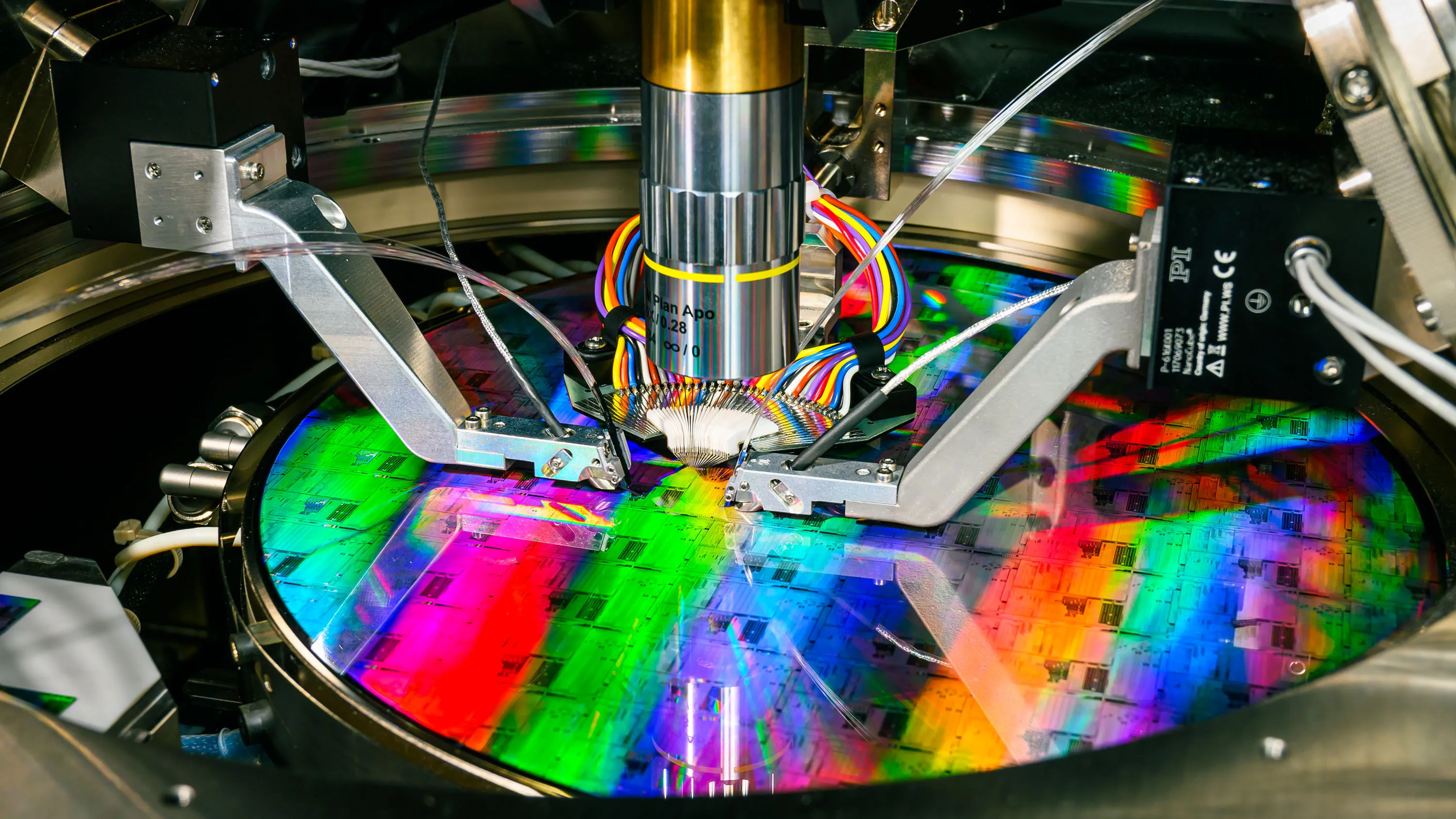
PsiQuantum, a quantum computing firm founded by physicists including Terry Rudolph, is accelerating its strategy to construct a large-scale photonic quantum computer. The company has secured $1 billion in funding and is currently building a facility in Australia that it states will be operational with cooling systems in place by 2027. This timeline marks a significant milestone for the firm, which aims to be the first to deliver a commercially useful machine capable of solving problems that current computers cannot address.
The Australian site represents a major expansion of the company’s infrastructure. While a test facility in Milpitas, California, currently connects three cooling cabinets, the Australian operation is expected to link approximately 100 cabinets once helium systems arrive late next year. This scale-up is critical for testing the company’s error-correction techniques across a larger network of chips, a prerequisite for achieving the one million qubits required for utility-scale computing.
To manufacture its hardware, PsiQuantum has partnered with semiconductor giant GlobalFoundries to utilise existing fabrication infrastructure. The company produces critical materials, such as barium titanate, in-house to ensure precise routing of light particles. This approach allows PsiQuantum to leverage established supply chains while maintaining control over the delicate crystalline structures necessary for its photonic chips. The firm has also received a $100 million award from the US CHIPS Act, which will support the development of single-photon detectors.
The project has drawn intense interest from the US Pentagon and major corporations. The Defence Advanced Research Projects Agency (DARPA) has placed PsiQuantum in the third stage of its quantum benchmarking initiative, a signal of growing confidence in the company’s technical viability. Major industrial players, including Lockheed Martin, Mercedes, and Airbus, are simultaneously developing algorithms for future applications in drug discovery, materials science, and engineering, despite the hardware not yet being fully operational.
Leadership changes and theoretical advancements accompany the hardware development. Victor Peng, a semiconductor industry veteran, has replaced founder Terry Rudolph as chief executive, while Rudolph remains involved in theoretical work. Recent publications, including a December paper with Airbus on fluid dynamics modelling, demonstrate incremental progress, though experts note that significant practical impact will likely await the construction of larger-scale machines.
