Psilocybin Offers Temporary Relief for Treatment-Resistant OCD, Author Says
Simone Stolzoff's *How to Not Know* explores the limits of psychedelics in treating decision paralysis and the psychological shift required to accept uncertainty.
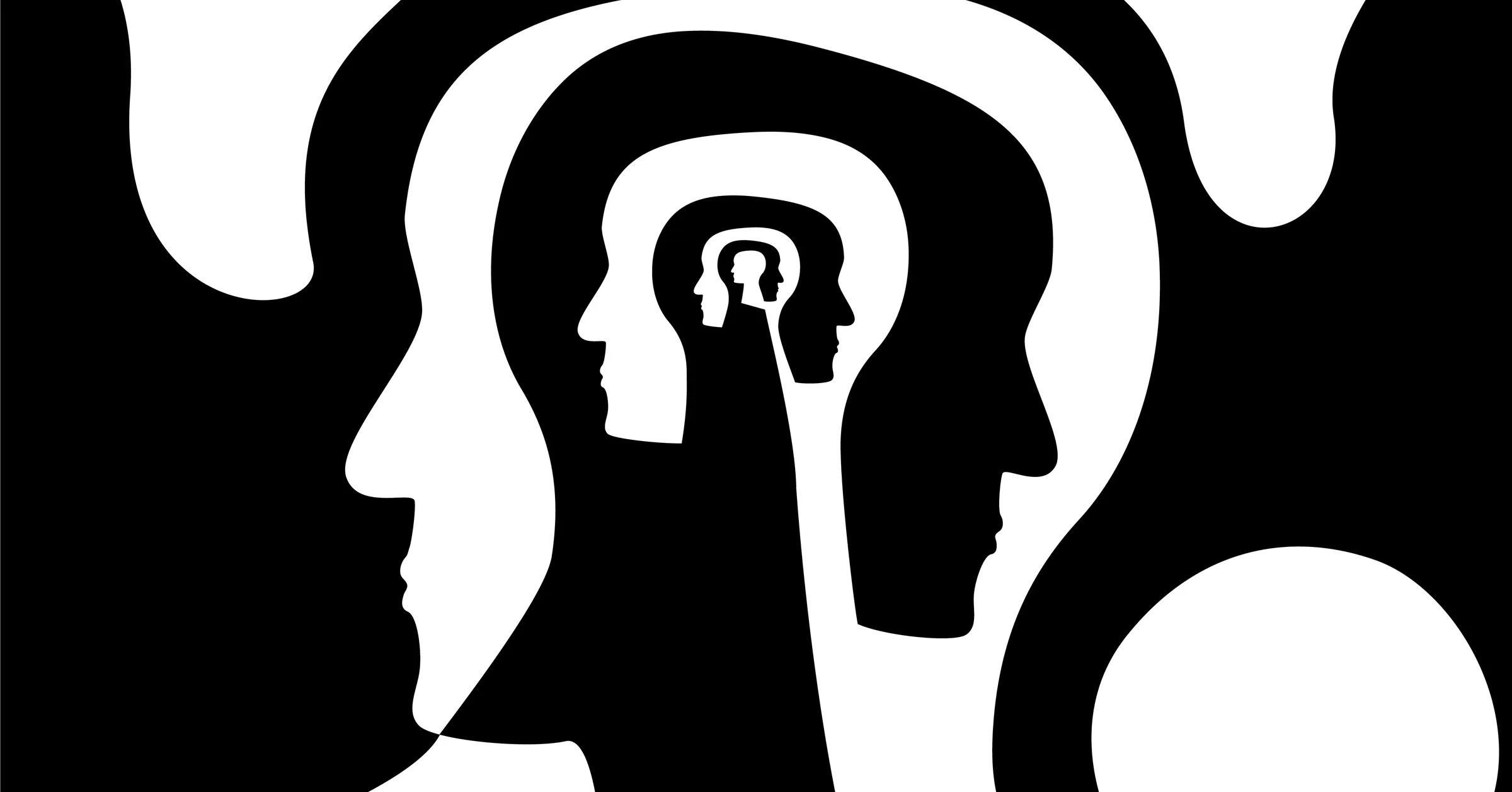
An excerpt from Simone Stolzoff's forthcoming book *How to Not Know* details the struggle of Adam Strauss, a former entrepreneur who battled severe obsessive-compulsive disorder (OCD) characterised by debilitating decision paralysis. The text describes how Strauss, despite his education and professional success, found himself trapped in a cycle of analysis regarding trivial choices, such as selecting an MP3 player or what shirt to wear. This internal monologue consumed his life, leading him to cancel social plans and isolate himself in his Manhattan apartment.
Standard medical interventions failed to provide relief for Strauss. The excerpt notes that he attempted cognitive behavioural therapy and various antidepressants, including Prozac, Paxil, Lexapro, and Zoloft, without success. Citing a 2024 statistic, the text indicates that between 30 and 60 per cent of OCD patients are treatment-resistant and do not respond to standard medication. Consequently, Strauss turned to self-experimentation with psilocybin and synthetic alternatives in a desperate search for a remedy.
A pivotal moment occurred in 2008 when Strauss consumed what he termed a "heroic dose" of psilocybin in a rented house on Martha's Vineyard. The experience, which he later rated as a plus four on the intensity scale, forced him to confront a profound sense of fear and foreboding. By this point, having exhausted his energy trying to control the experience, Strauss finally surrendered to the reality that he could not dictate the outcome. This act of relinquishing control resulted in a psychological breakthrough, teaching him to accept uncertainty rather than fighting against it.
While the excerpt cites clinical studies suggesting psilocybin can reset brain networks to alleviate symptoms, the author clarifies that the drug is not a permanent cure. Research referenced in the text, including a 2008 study by Francisco Moreno, indicates that psilocybin can break cycles of rumination by altering the default mode network. However, Strauss no longer relies on psychedelics for his current management strategy. Instead, he utilises stand-up comedy and theatre as a form of exposure therapy to face his anxiety head-on.
To address the broader issue of decision paralysis, the text introduces heuristics proposed by decision science expert Annie Duke. These include the "Happiness Test" and the "Only-Option Test," designed to help individuals distinguish between high-consequence decisions and low-stakes choices. The author argues that people with OCD often apply an analytical framework suitable for major life decisions to trivial matters, leading to unnecessary suffering.
Ultimately, the excerpt concludes that while magic mushrooms provided a temporary reset, the lasting change came from a fundamental shift in mindset. Strauss now understands that the desire for certainty is often a mask for deeper emotional avoidance. His journey underscores the message that one must feel their way through uncertainty rather than seeking a definitive answer to every question.
