PSG’s institutional reset: From star power to structural discipline ahead of Arsenal clash
As Paris St-Germain prepare to defend their Champions League title against Arsenal, the club’s transformation reflects a broader shift in football management, moving away from individual star power toward a unified, disciplined framework.
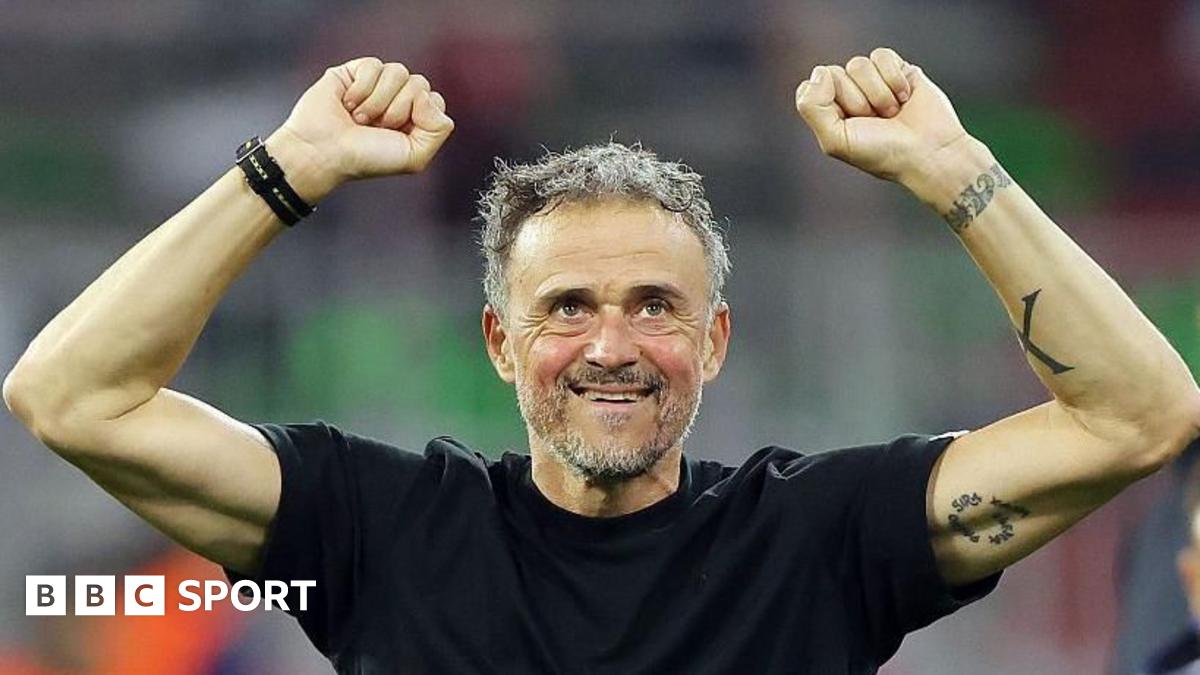
Paris St-Germain are set to defend their Champions League title against Arsenal on Saturday, a fixture that serves as the culmination of a profound cultural and structural overhaul under manager Luis Enrique. The club has moved decisively away from the initial ‘bling-bling’ era, characterised by aggressive spending and internal disputes among global superstars, towards a model defined by discipline, collective identity, and institutional stability. This transition marks a significant departure from the star-centric approach that previously dominated the club’s operations.
The shift in philosophy was initiated by president Nasser Al-Khelaifi, who publicly declared the end of the previous era and redefined the club’s strategic question from how to win to what kind of football to play. The resulting identity prioritises attacking football with French players at its core. This structural change was enforced through the departure of previous icons, including Lionel Messi, Neymar, and Kylian Mbappe, not as punitive measures, but to reset the hierarchy and ensure no individual player was above the team.
Manager Luis Enrique implemented strict disciplinary protocols to embed this new culture. A defining moment occurred when Ousmane Dembele was dropped for arriving 10 minutes late to training, a decision that reinforced the club’s zero-tolerance approach to theatrics and insubordination. The impact was immediate; PSG became the team with the fewest yellow cards in Europe’s top leagues, signalling a move away from referee disputes and towards a unified, professional conduct on the pitch.
The squad’s composition reflects this new sustainable philosophy. The average age of PSG’s starting XI this season was 23 years and 363 days, the youngest in Ligue 1 and the second youngest in Europe’s top five leagues. Nearly half of the team’s playing time is now allocated to French players, many from the academy, with six graduates making their first-team debuts. This focus on youth and local integration has resulted in a more balanced attack, with 20 different goalscorers recorded this season, contrasting sharply with the reliance on single star performers in previous years.
Governance stability has been a critical component of this transformation. A unified leadership structure now exists between Enrique, sporting director Luis Campos, and Al-Khelaifi, each with clear, non-conflicting roles. This alignment replaced years of internal friction and has allowed the club to resist external pressure; in January 2025, despite media demands for multiple signings following Champions League defeats, the club made only one acquisition, Kvicha Kvaratskhelia.
Al-Khelaifi cites the construction of a new training centre, costing approximately 350 million euros, as a key achievement of this reset. However, the club faces ongoing structural challenges. The Parc des Princes, with a capacity of about 46,000, is considered too small for the club’s stature, and French TV rights revenue lags significantly behind the Premier League. The top five Premier League clubs will receive around 200 million euros in TV money this season, compared to PSG’s estimated 9 million euros.
Despite these financial and infrastructural disparities, PSG has established a clear direction. The club has moved from a paradox of vast potential and no structure to an entity with a defined footballing philosophy and operational coherence. While not yet the ‘finished article’, the institutional changes under Enrique and Al-Khelaifi have created a foundation that prioritises long-term stability over short-term spectacle.