Proposed class action filed against Nike over tariff refund practices
Consumers argue the Beaverton-based company raised prices to offset duties while awaiting federal refunds, joining similar suits against major retailers.
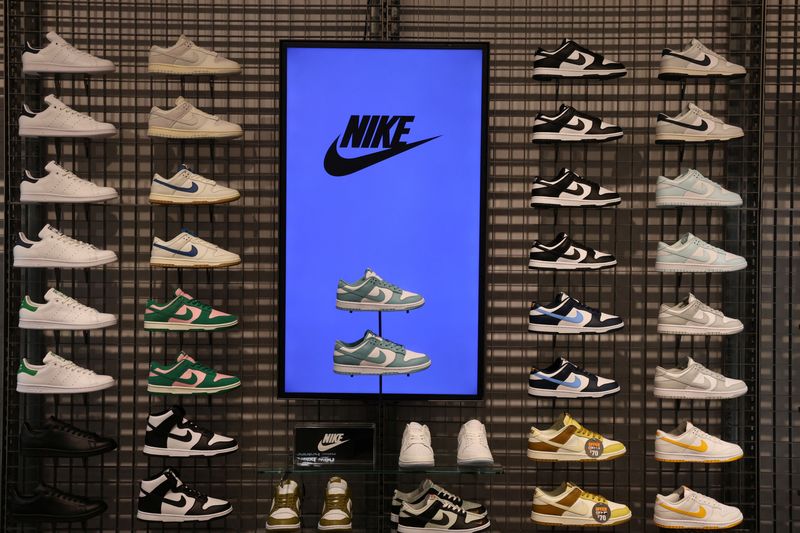
A proposed class action lawsuit has been filed in Portland federal court against Nike, accusing the athletic apparel and footwear maker of failing to refund tariff-related costs to consumers. The legal action, lodged on Friday, May 8, contends that the company should not be permitted to retain significant refunds following a U.S. Supreme Court ruling in February that struck down sweeping tariffs originally imposed by President Donald Trump under the International Emergency Economic Powers Act.
The complaint alleges that Nike effectively recovered tariff payments twice: first by passing the costs onto consumers through higher prices, and second by receiving refunds from the federal government. The suit highlights that the Beaverton, Oregon-based company stated it paid approximately $1 billion in tariffs on imported goods resulting from the Trump administration's actions. To offset these expenses, Nike reportedly increased footwear prices by $5 to $10 and apparel prices by $2 to $10.
According to the filing, Nike made no legally binding commitment to return these tariff-related overcharges to the customers who initially paid them. The legal argument posits that without court intervention, the company stands to recover the same funds through both consumer pricing adjustments and federal reimbursements. The complaint asserts that this practice allows the firm to keep the financial burden of the tariffs while simultaneously benefiting from the subsequent government refunds.
This legal challenge is not isolated, as it joins a variety of similar proposed class actions against other major corporations. Companies including Costco and EssilorLuxottica have faced comparable accusations from consumers alleging a failure to pass on tariff refunds. The emergence of these suits suggests a broader industry response to the Supreme Court's decision regarding the validity of the original tariffs.
In a March 31 conference call, Nike indicated that the fiscal quarter ending in August 2026 would likely be the final quarter where tariffs pose a material year-over-year headwind to gross margins. Despite the filing, the company did not immediately respond to requests for comment regarding the specific allegations in the complaint. The lawsuit remains a proposed class action, meaning the final scope of affected consumers and the ultimate legal outcome remain undetermined.