Private capital bridges funding gap as Indiana University secures Heisman winner Fernando Mendoza
The Hoosiers sign the quarterback ahead of the 2025 season after Dolson indicates the program required additional resources to finalise the deal.
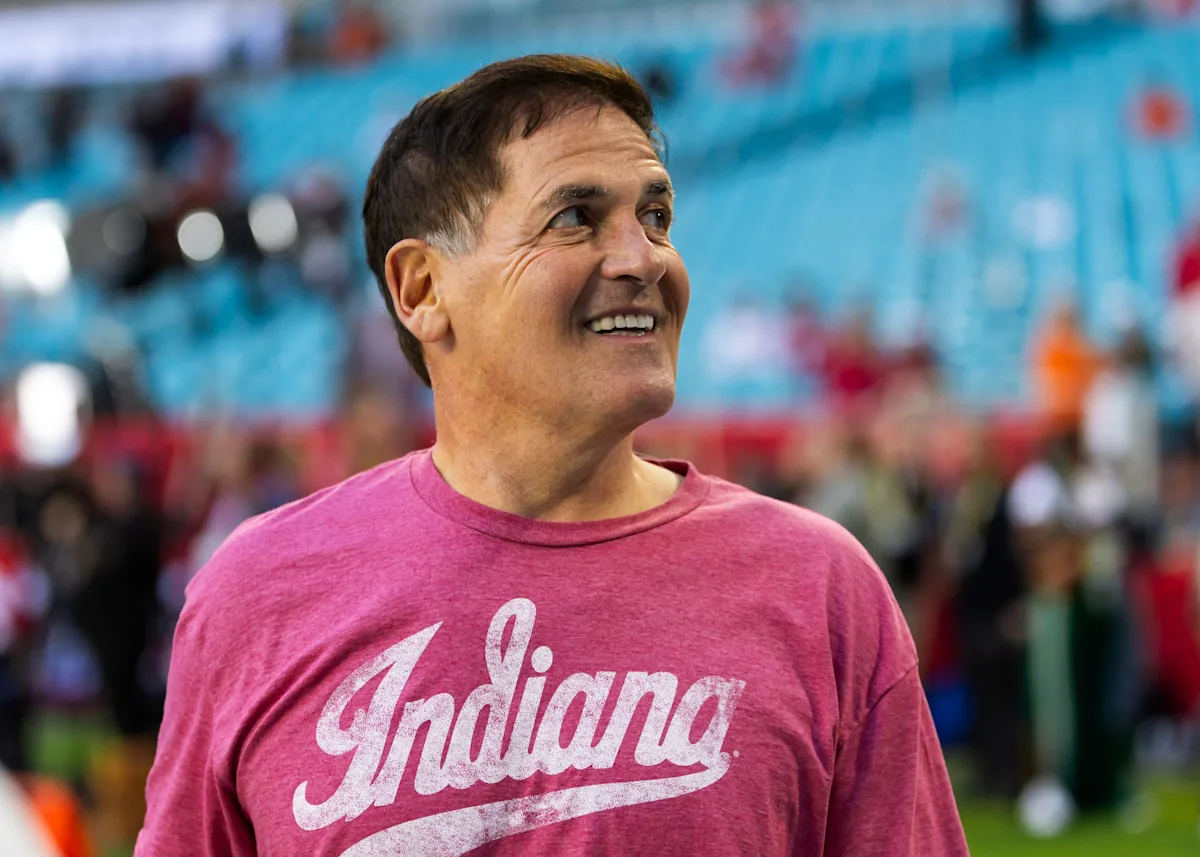
Indiana University football has secured the signing of Heisman Trophy winner Fernando Mendoza ahead of the 2025 season following a direct financial intervention from businessman Mark Cuban. The acquisition of the quarterback, who transferred from the University of California, required additional resources that the university's athletics department sought to address.
Athletics director Scott Dolson indicated that the program needed a little more funding to sign Mendoza after determining the candidate was a priority for the roster. Cuban, an alumnus of Indiana University and owner of the Miami Heat, agreed to the request and provided the necessary capital to close the recruitment.
In a subsequent interview with Front Office Sports, Cuban confirmed that he personally put up the money to facilitate the signing. He recounted the interaction with Dolson, noting that the athletics director had identified Mendoza as a player the team really liked but required further financial support to complete the agreement.
Cuban revealed that his decision to intervene was also influenced by a personal connection to the Mendoza family. He stated that he knew Mendoza's brother, Alberto, because Alberto had sat behind the bench during Cuban's tenure with the Miami Heat. This prior acquaintance appears to have been a factor in the businessman's willingness to provide the funds.
The specific dollar amount contributed by Cuban was not disclosed in the available reporting. While the transaction is framed as a critical behind-the-scenes element in the Hoosiers' preparation for the upcoming season, the precise nature of the financial arrangement remains outside the scope of public university audits.
This move allows the Indiana programme to field Mendoza before the start of the 2025 campaign, resolving the funding shortfall identified by the administration. The intervention highlights the role of private capital in bridging gaps within collegiate athletics recruitment.