Privacy alarms sound as Coles and Woolworths test facial recognition tech
Experts warn the trials risk normalising invasive monitoring in food retail, following a recent tribunal ruling that permitted similar technology at Bunnings.
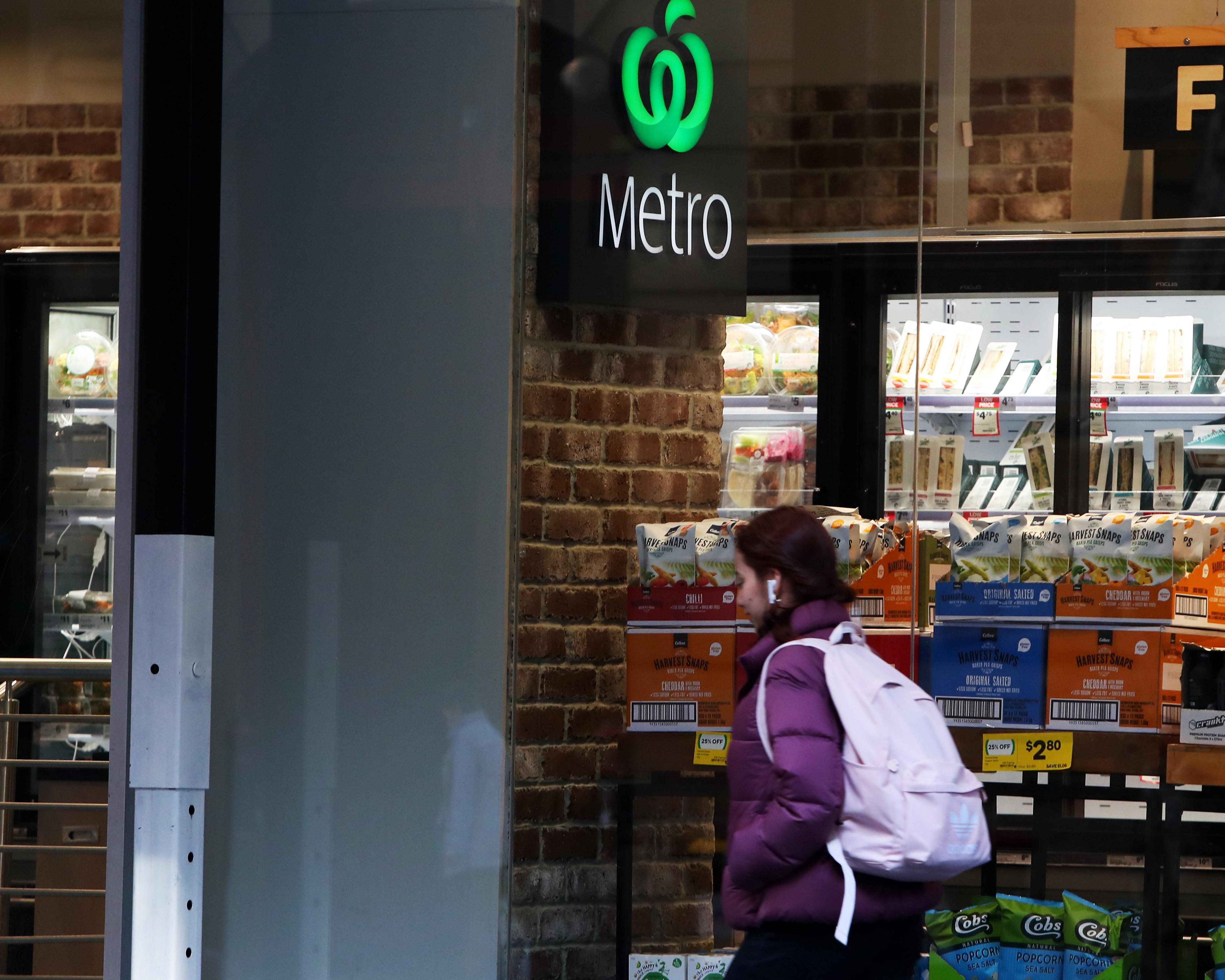
Consumer advocates and academic experts have raised significant concerns following confirmation from Coles and Woolworths that both supermarket chains are testing facial recognition technology. The trials aim to address rising retail crime and aggression towards staff, though both retailers emphasised that no final decision has been made regarding a full-scale rollout in Australian stores.
Woolworths confirmed it conducted tests at its offices in New Zealand, citing a daily occurrence of serious incidents, including the presentation of weapons. A spokesperson stated the company would continue trialling initiatives to ensure safety, while Coles clarified it undertook a small, one-off, controlled proof-of-concept test that did not utilise customer or team member data. Neither retailer has disclosed the software provider for the technology under review.
The exploration of biometric surveillance follows a February decision by the Administrative Review Tribunal to permit Bunnings to use similar technology. This ruling reversed a 2024 finding by the privacy commissioner that Bunnings had breached visitor privacy, although the tribunal noted the hardware giant had failed to properly notify customers that their faces were being scanned.
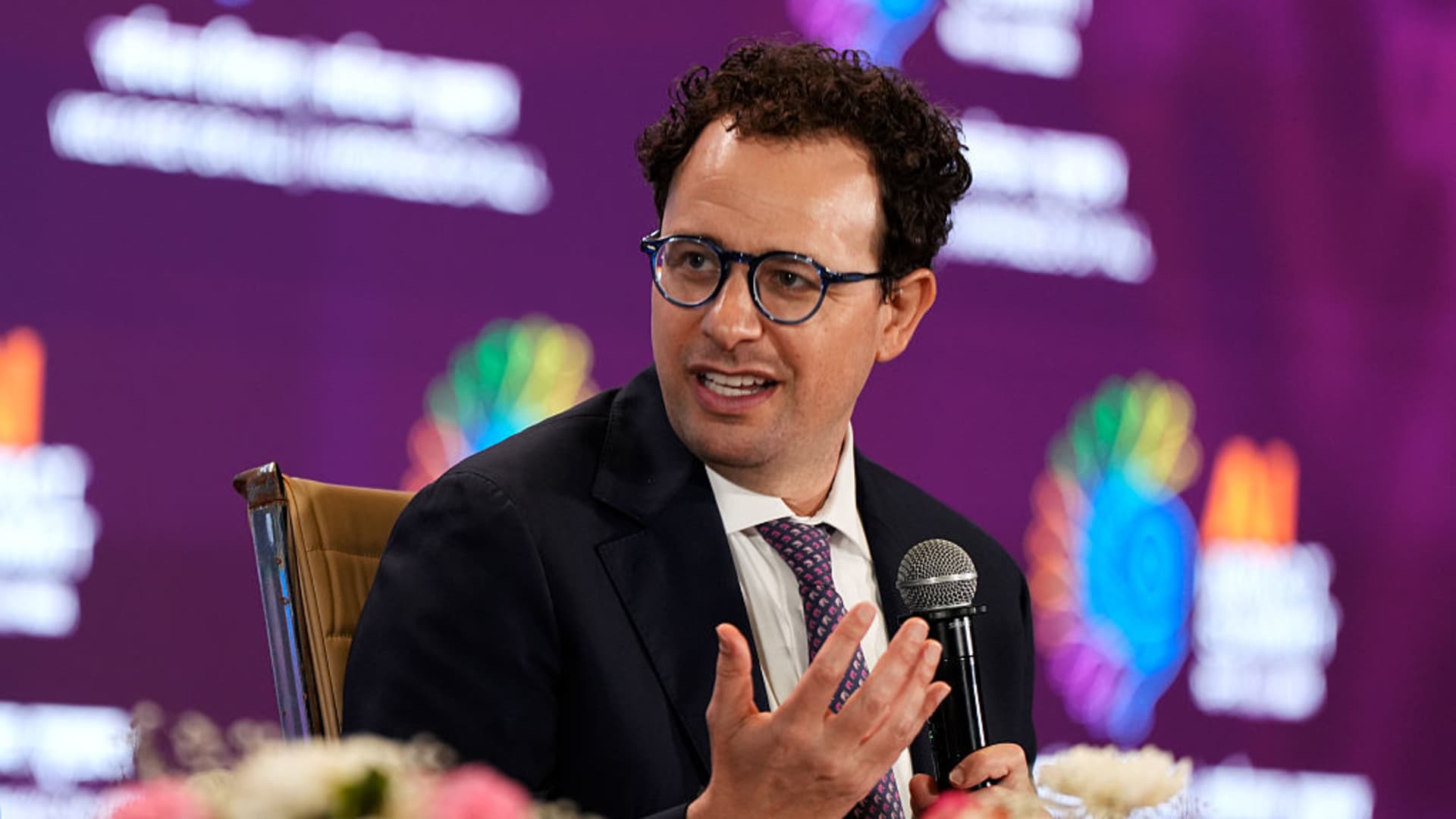
Dr Jason Pallant from RMIT University described the situation as a fundamental security versus privacy dilemma. He argued that while staff safety is paramount, the implementation requires transparency and consumer education, noting that every shopper entering a store would effectively be accepting their face being scanned.
Tom Sulston, head of policy at Digital Rights Watch, labelled the technology as wildly inaccurate and grossly disproportionate for food retailers. He highlighted evidence of higher incorrect identification rates for people of colour and warned that shoppers should not have to surrender their privacy to purchase groceries.
Dr Luke Munn from the University of Queensland cautioned that the technology could be used to shoehorn surveillance into everyday infrastructure. He pointed to a pattern where supermarkets use technology to solve problems, such as theft, which often creates further issues, suggesting that retail safety might be better addressed through different operational models.