Primary results in Indiana and Ohio cement key midterms matchups while highlighting internal Republican divisions
The conclusion of primary elections in two swing states has established the field for November, with a pivotal Senate contest in Ohio and a contested gubernatorial race in Indiana reflecting the administration's grip on the GOP.
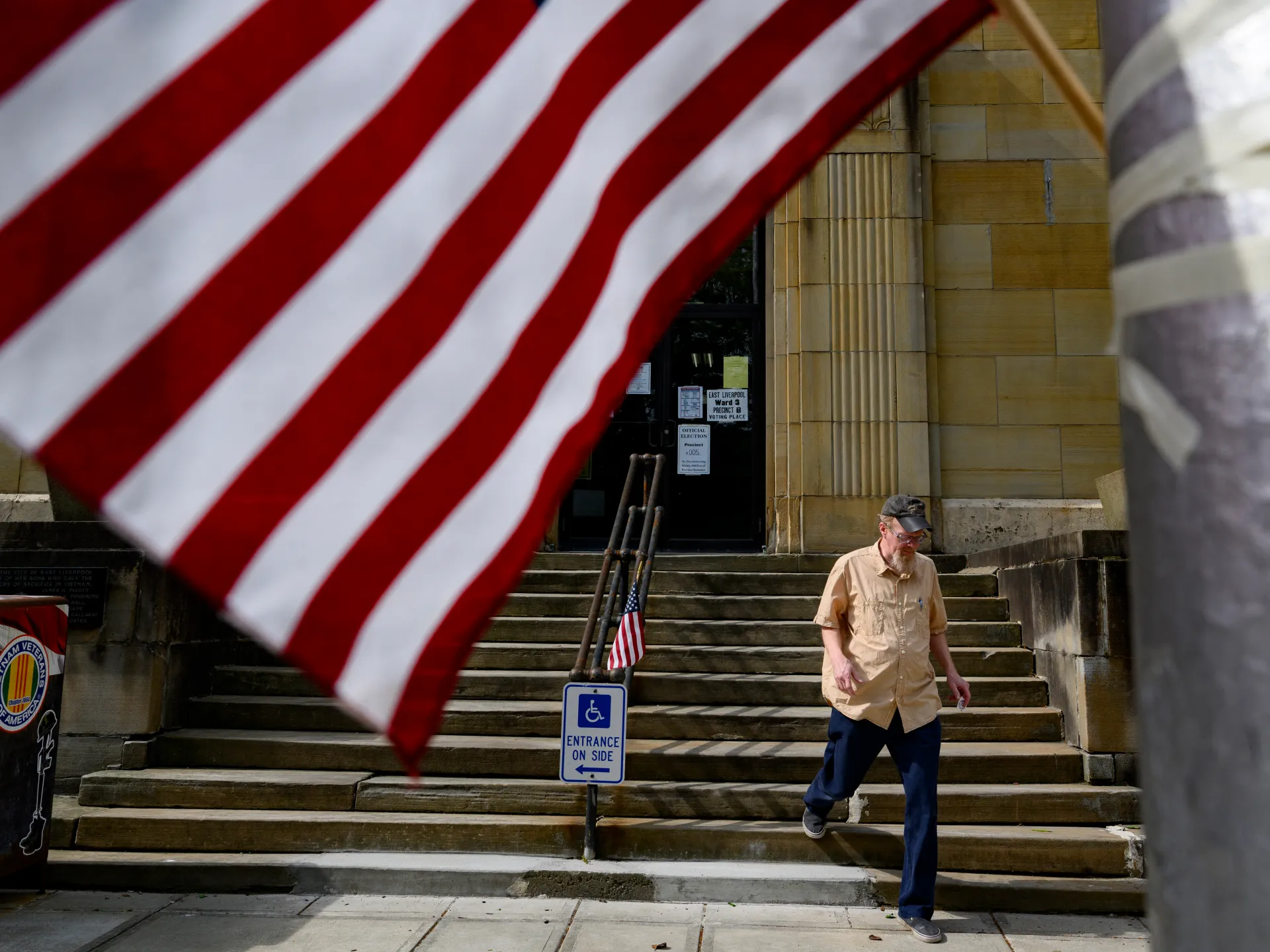
Primary elections in Indiana and Ohio have concluded, establishing the key candidates for the November midterm elections and underscoring President Trump's continued sway over the Republican Party. In Ohio, the Democratic nominee Sherrod Brown will face Republican Jon Husted in a pivotal Senate race, a contest considered one of the most consequential given the current 53-47 Republican majority in the US Senate. Husted replaced Vice President JD Vance, who left his Senate seat to join the White House, and the race is viewed as an uphill battle for Democrats attempting to retake control of the chamber.
While the Senate race draws significant attention, the Ohio gubernatorial nomination also reflects the administration's preferred candidates. Trump ally Vivek Ramaswamy secured the Republican nomination against Democrat Amy Acton. Ramaswamy, a former co-runner of Trump's Department of Government Efficiency panel, will now face Acton, who led the state's Department of Health during the COVID-19 pandemic. These outcomes reinforce the narrative of the President's influence within the party structure as the general election approaches.
In Indiana, the primary results highlighted the tension between party loyalty and legislative independence. President Trump's pressure to redraw congressional districts resulted in the defeat of five targeted Republican candidates in their primary elections. This outcome sent a clear message to party members opposing his agenda, with State Senator Linda Rogers noting that the administration's actions prioritised career over conscience when facing tough votes. Although one candidate won and one race remained too close to call, the loss of the targeted incumbents demonstrates the President's ability to shape the party's direction in Republican-controlled states.
The political landscape extends beyond these two states, with President Trump actively opposing Republican incumbents in other jurisdictions. US Representative Thomas Massie in Kentucky and US Senator Bill Cassidy in Louisiana face potential primary challenges as vocal critics of the administration. Massie has been outspoken regarding the US-Israeli war in Iran and the Department of Justice's handling of documents related to financier Jeffrey Epstein, while Cassidy voted to impeach Trump in 2021 and remained a critic throughout the 2024 re-election campaign.
Despite the strong Republican primary performance in Indiana and Ohio, recent polling indicates waning support for Trump among independents regarding specific policy issues. A recent NPR/PBS News/Marist Poll found that 63 per cent of US independents place a great deal or good amount of blame on Trump for high petrol prices. This statistic suggests that while the party has consolidated its nominations, the administration faces challenges in converting primary victories into general election success, particularly among unaffiliated voters who often decide close races.