Premium aluminium carry-on luggage offers superior durability but comes with significant weight and cost premiums
A comprehensive evaluation of brands including Rimowa, Carl Friedrik, Away, and Sterling Pacific highlights the trade-offs between robust construction and airline weight restrictions.
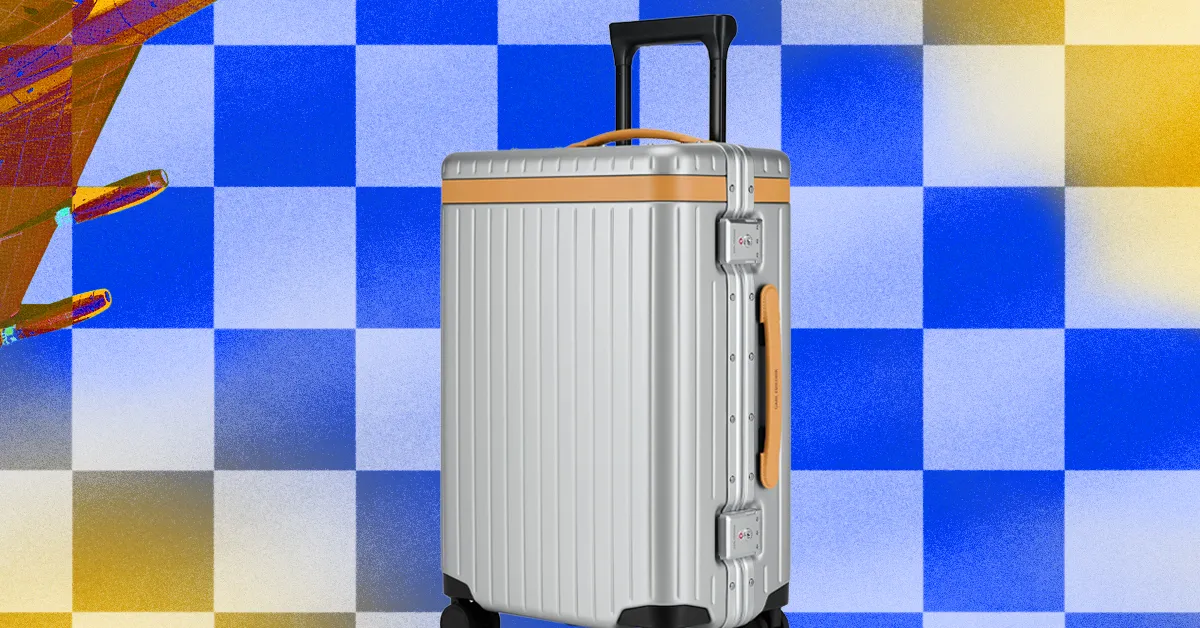
WIRED Reviews has completed a comprehensive field test of premium aluminium carry-on luggage from leading brands including Rimowa, Carl Friedrik, Away, and Sterling Pacific. The evaluation compared metal cases against standard polycarbonate alternatives, assessing durability, weight, and cost through real-world usage across Europe and the UK. The findings indicate that while aluminium luggage is significantly heavier and more expensive, it provides superior structural integrity, repairability, and longevity.
The review highlights that aluminium cases do not crack like polycarbonate shells and can withstand significant abuse, such as being stomped on or stood upon. For frequent travellers who prioritise durability over marginal weight savings, these rigid shells with metal frames and strong latch closures offer better protection for belongings and are designed to last a lifetime. Well-established brands typically offer generous warranties and repair services, and the clamshell, zipperless closures are harder to force open compared to fabric zippers.
However, the trade-off for this strength is substantial weight. Most aluminium carry-on bags weigh between nine and 11 pounds, with the Rimowa tested weighing 9.5 pounds. In comparison, popular polycarbonate options like the Samsonite C-Lite Spinner weigh just 4.5 pounds. This extra mass can be problematic for short-haul flights in Europe and budget airlines with strict weight limits, where the bag itself may consume the entire allowance, leaving minimal space for packing.
The manufacturing process for aluminium is also more complex and costly than injection-moulded plastics, requiring stamping, machining, and finishing rather than basic moulding. This complexity, combined with the need for rigid metal frames and reinforced corners, results in higher upfront costs. While prices for some aluminium options have begun to fall due to increased competition, premium brands still command a significant premium over their polycarbonate counterparts.
Despite the weight and cost, the longevity of a well-made aluminium case means fewer replacements over time, potentially keeping harder-to-recycle polycarbonate cases out of landfills. Recycling aluminium uses up to 95 per cent less energy than producing it from raw materials. Furthermore, aluminium cases hold their value well over time, making them a financially sound investment for those who intend to use their luggage for decades rather than replacing it every few years.
Ultimately, the choice depends on the traveller's specific needs. If flying often, valuing durability, and not mind lifting an extra few pounds every time the overhead bin is opened, aluminium cases are built to last and capable of taking years of abuse. However, for those chasing lightness, flexibility, or strict airline compliance, polycarbonate and soft-shell designs remain the more practical and affordable option.
