Powell's Fed tenure concludes with broad cross-asset rally despite inflation turmoil
The S&P 500 posted a 14.7 per cent annualised total return, ranking as the third-best showing for any Federal Reserve chair since 1970.
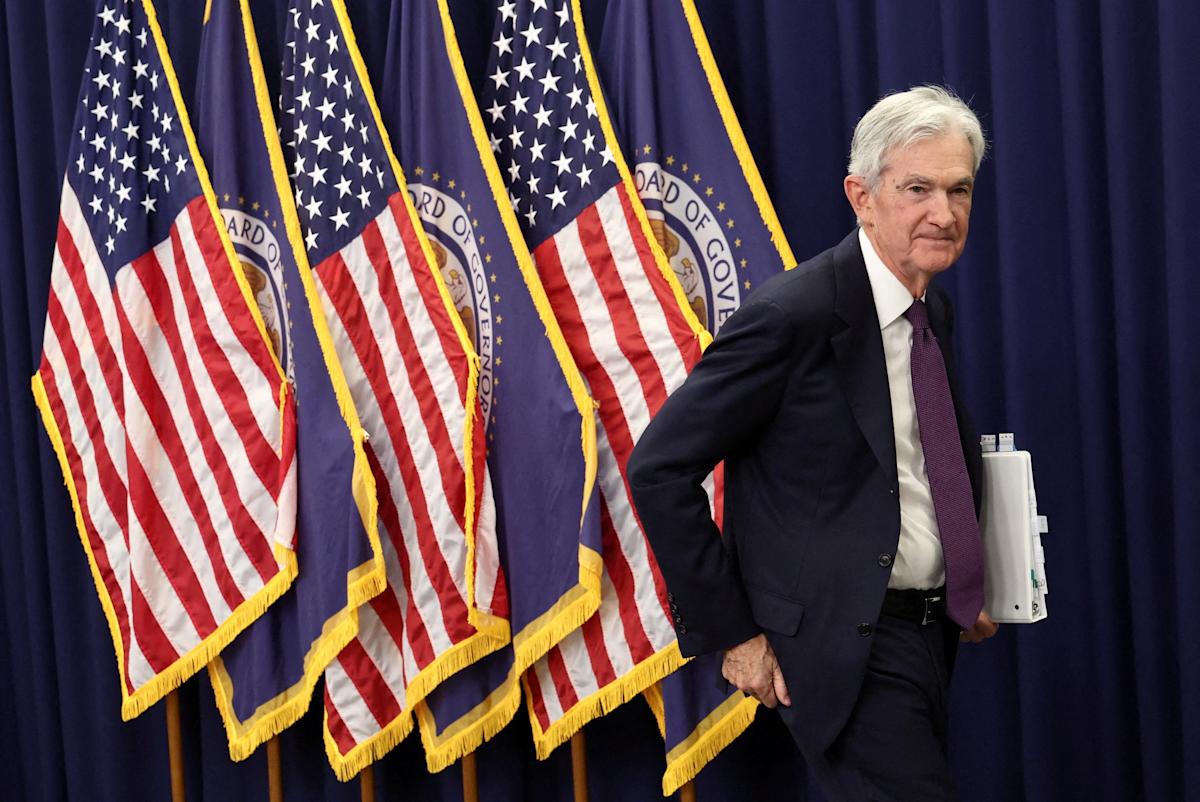
Jerome Powell's eight-year tenure as Federal Reserve chair has concluded with a broad cross-asset rally, marking a stark contrast to the volatility shock that characterised the start of his term in February 2018. Despite navigating the worst inflation shock in 40 years, a regional banking crisis, and intense political pressure, markets delivered gains across almost every major asset class.
The S&P 500 recorded a 14.7 per cent annualised total return, ranking as the third-best performance for any Fed chair since 1970. Notably, commodities, gold, and bonds also finished positive, with bonds recovering from a historic selloff to end higher than they started. Yahoo Finance analysis of daily price data indicates the S&P 500 price index is up roughly 160 per cent and the Nasdaq Composite is up nearly 250 per cent since Powell took office.
The final positive result for bonds masks one of the sharpest selloffs in modern history, where inflation and rapid rate hikes initially crushed long-term government debt before the asset class recovered. Powell spent much of his tenure attempting to establish inflation-fighting credibility comparable to former Fed Chair Paul Volcker, who is renowned for crushing inflation in the late 1970s and early 1980s.
The rally was driven by a sequence of different market engines. The initial phase saw a COVID rebound supported by monetary and fiscal stimulus, followed by a shift toward commodities and gold due to inflationary pressures. Later, a megacap-led stock rebound powered by earnings, AI spending, and investor willingness to pay premiums for dominant growth companies sustained the momentum.
Powell assumed the chairmanship in February 2018, immediately facing Volmageddon, a volatility shock that crushed popular bets against market turbulence. Two years later, the COVID crash forced the Fed into emergency mode, with rates slashed to near zero. Throughout much of 2021, Powell characterised inflation as transitory, but in 2022, the Fed pivoted aggressively, lifting rates at the fastest pace in decades to combat the worst inflation shock in 40 years.
That rocky path did not prevent a strong finish as markets kept finding new engines during Powell's tenure. The bigger lesson is that markets did not rely on one market trade, one policy regime, or one asset class. It was a sequence of rallies across very different markets that turned his tenure into an everything rally.