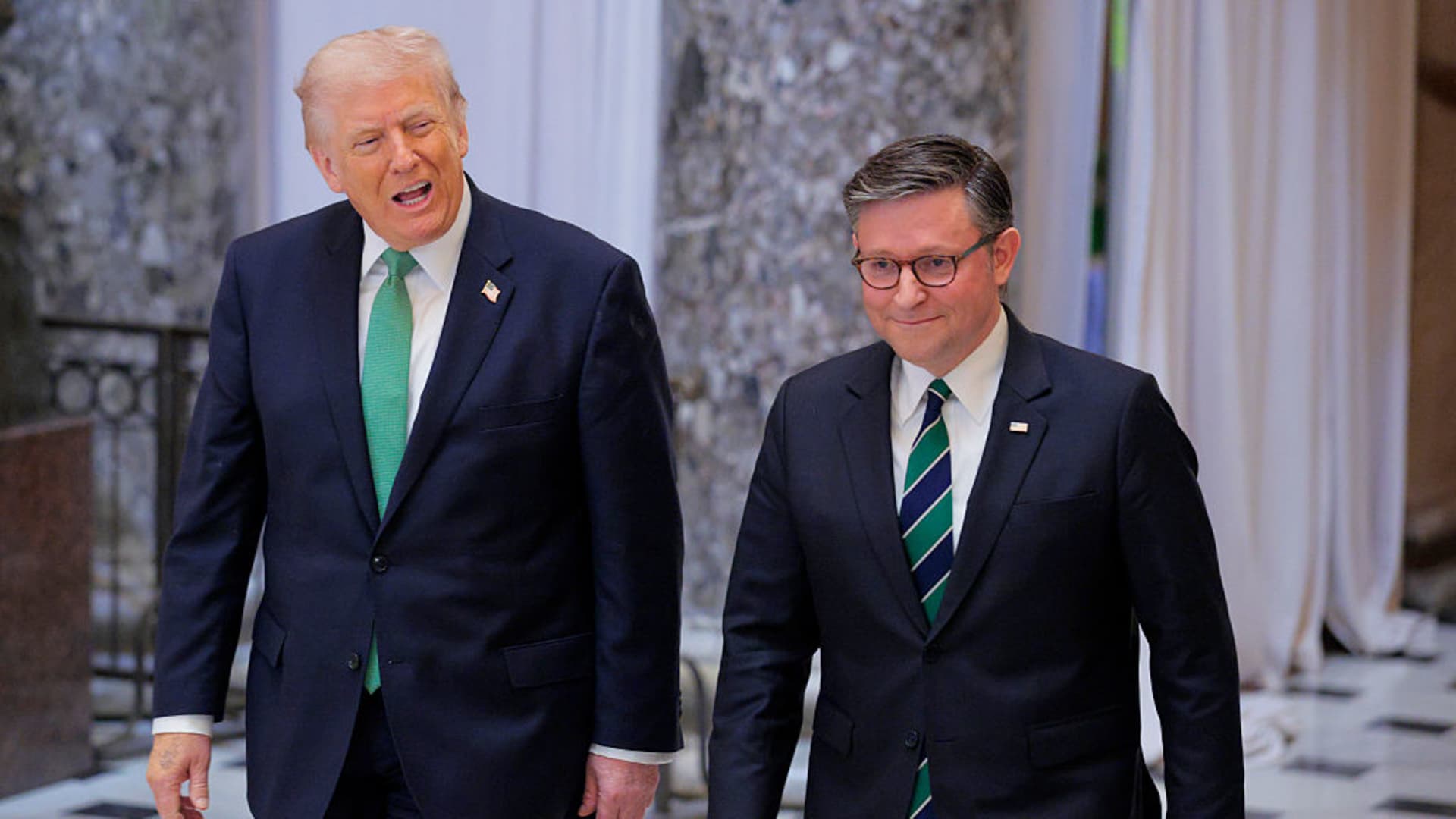
Powell warns White House pressure on Fed threatens public trust
Jerome Powell describes political interference as a 'stress test' for central bank independence, cautioning that removing officials over policy differences would set a dangerous precedent.
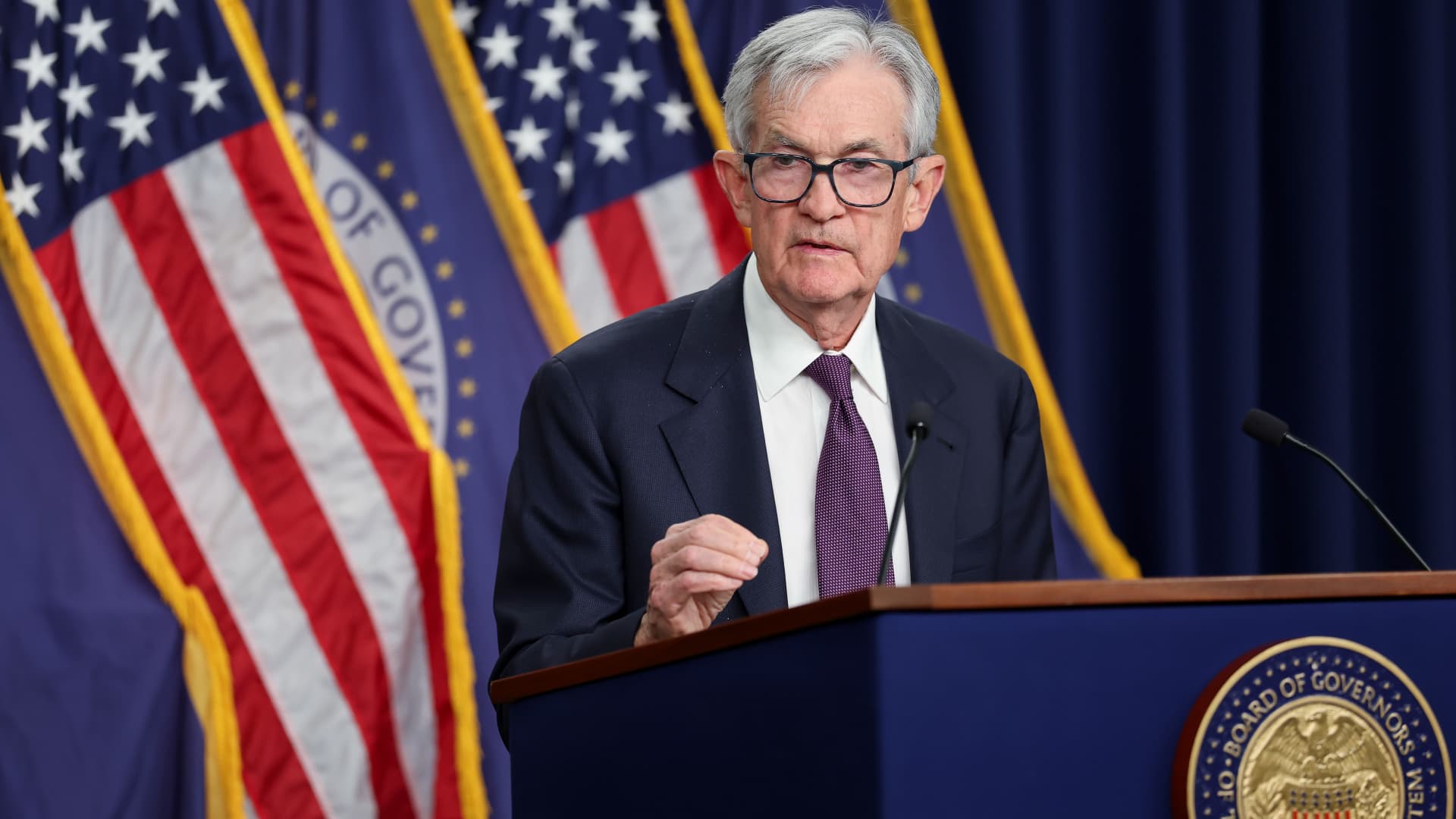
Federal Reserve Chair Jerome Powell has issued a stark warning regarding the political independence of the central bank, describing the current pressure from the White House as a “stress test” that could wreck public trust in the US institution. Speaking at an awards ceremony in Boston on Sunday, Powell accepted the 2026 John F. Kennedy Profile in Courage Award and emphasised that the Fed’s credibility is a priority that must be protected from direct political influence.
Powell noted that Congress had “wisely” insulated the central bank from political pressure, a norm he stated is upheld across all advanced economies. He argued that administrations from both parties have historically respected these protections, which have served the public well. However, he cautioned that if any administration were to find a way to remove Fed officials over policy differences, it would set a dangerous precedent for the institution’s future.
The warning comes as US stock markets rose on Thursday, coinciding with the commencement of a two-day summit in Beijing between US President Donald Trump and Chinese President Xi Jinping. The Dow Jones Industrial Average gained 0.8%, the S&P 500 rose 0.3%, and the Nasdaq Composite climbed 0.2% as the leaders began discussions on trade, artificial intelligence, and regional security.
Market sentiment was further buoyed by news that the US approved H200 chip sales to Chinese firms, causing Nvidia shares to surge more than 2%. The summit, which began on 14 May 2026, includes a delegation of major technology executives, highlighting the intersection of geopolitical diplomacy and global capital markets.
Powell’s remarks underscore the tension between executive political objectives and the monetary authority’s mandate. While the Fed operates independently to manage inflation and employment, the Chair’s comments suggest that external political pressures are testing the boundaries of that autonomy, potentially impacting the institution’s standing with investors and the public alike.