Portable espresso maker outperforms $5,000 rival in blind tests, but practicality remains in question
A $200 portable device from Cera+ delivered results indistinguishable from a premium La Marzocco in blind testing, yet struggled with pre-ground options, suggesting a niche rather than mass-market appeal.
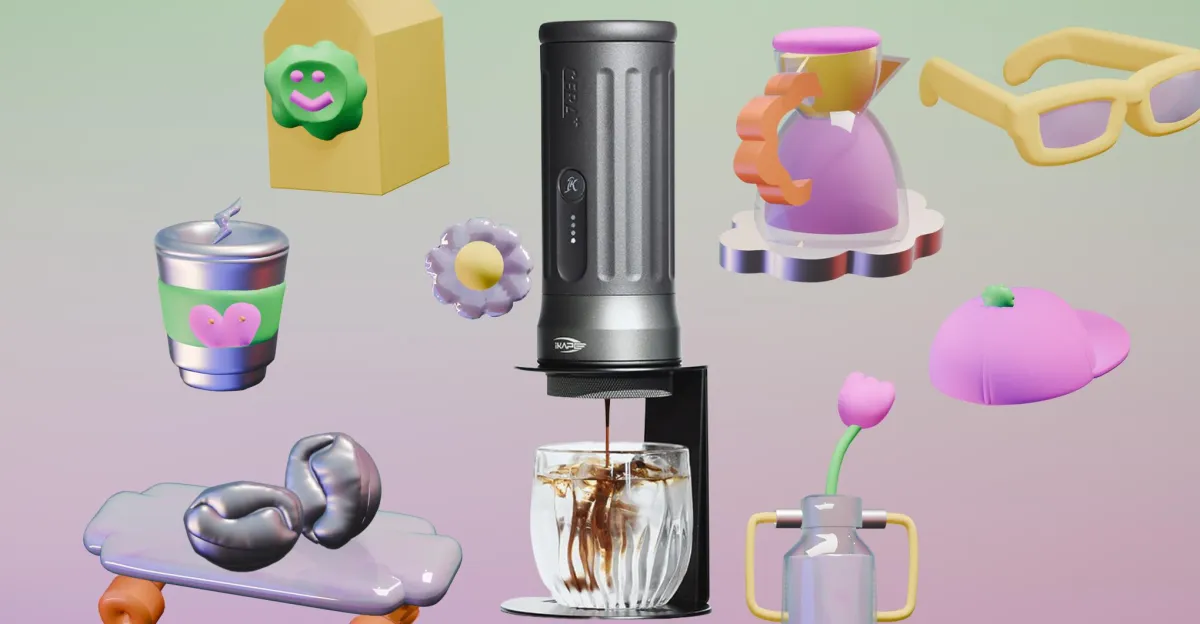
A recent review by The Verge has examined the Ikape Kapo K2 Pro, a portable espresso machine manufactured by Cera+ that has gained attention for its ability to compete with significantly more expensive equipment. Priced at approximately $200 on Amazon, with a listed retail value of $239, the device features a 20-bar pump, an 80ml reservoir, and a 13,500mAh battery that supports USB-C charging. The review notes that the machine is designed exclusively for ground coffee, offering granular controls over temperature, flow speed, and pre-soak durations, rather than utilising the capsule systems found in many competing portable models.
In blind taste tests, the Ikape Kapo K2 Pro delivered results that surprised both reviewers and the owner of a $5,000 La Marzocco espresso machine. Two testers were unable to distinguish a difference between the outputs of the portable unit and the high-end Italian machine. While the owner of the La Marzocco identified a slightly more sour and less full-bodied profile in the Ikape’s output, he conceded that the premium machine did not produce an espresso 25 times superior to the portable alternative, highlighting a significant performance-to-price ratio for the Cera+ device.
Despite these strong sensory results, the review identified practical limitations that may affect the device’s utility for casual users. Testing revealed that the machine produced lackluster results when used with store-bought coffee grounds, yielding a beverage not significantly better than those produced by standard Nespresso-compatible capsule machines. To achieve optimal performance, users are required to carry a separate grinder, a requirement that the reviewer argues undermines the core promise of portability and adds unnecessary bulk to outdoor gear.
The device’s operational capacity was also assessed during outdoor testing. The reviewer, who has extensive experience with various camping coffee setups, found that the machine could perform approximately five extractions of 18 to 20 grams each per charge when using cold water. This yield increases if preheated water is used or if smaller volumes are extracted, with each cycle taking roughly three minutes. The machine’s reliance on ground coffee places it in a more complex category than simpler, cheaper alternatives, such as the $50 handheld capsule machines that dominate the entry-level portable market.
The review concludes that while the Ikape Kapo K2 Pro is capable of producing excellent espresso in remote locations, its complexity and maintenance requirements may not justify the cost for users who do not obsess over coffee preparation. For those prioritising convenience and ease of cleanup, the reviewer suggests that Nespresso-compatible systems offer a more pragmatic solution, particularly given the availability of recycling programmes for aluminium pods. The device ultimately serves a specific niche of enthusiasts willing to trade simplicity for the ability to brew high-quality espresso in the wilderness, echoing a modern, albeit caffeinated, interpretation of deliberate living.
