Porsche slashes three subsidiaries in major strategic pivot, ending more than 500 jobs
CEO Michael Leiters confirms the closure of Cellforce Group, Porsche eBike Performance, and Cetitec to make the company leaner and faster following a downturn in North America, China, and Europe.
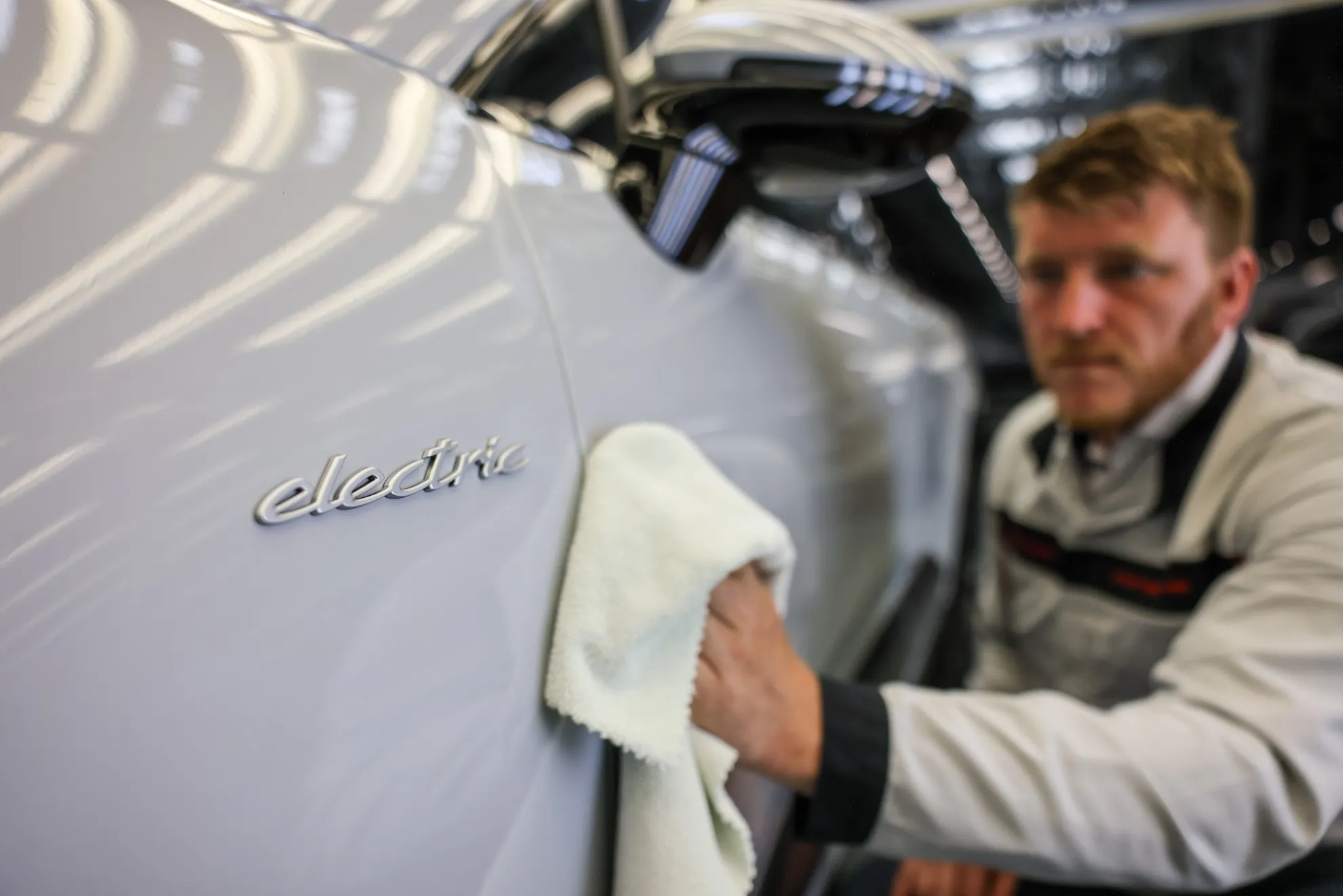
Porsche has announced the closure of three subsidiaries as part of a significant strategic realignment designed to refocus the German luxury automaker on its core business. The affected divisions are Cellforce Group, Porsche eBike Performance, and Cetitec. The decision is expected to result in the loss of more than 500 jobs across the three entities.
Chief Executive Officer Michael Leiters described the move as an indispensable foundation for a successful strategic realignment, noting that it forces the company to make painful cuts. Leiters stated that the closures are necessary to make Porsche leaner and faster, following a period of declining sales and profits in key markets including North America, China, and Europe.
The shutdown of Cellforce Group marks a definitive shift in the company's approach to electrification. Previously restructured in August 2025 into a research and development arm after Porsche abandoned plans to manufacture its own batteries, the subsidiary is now being closed entirely. This confirms a move toward an open powertrain strategy, where the automaker will rely more heavily on external suppliers for battery technology rather than developing proprietary cells.
Alongside the battery unit, Porsche eBike Performance, the division responsible for e-bike drive systems, is being shut down. Additionally, Cetitec, a networking software subsidiary that served both Porsche and the wider Volkswagen Group, will cease operations. These closures represent a broader extraction from several non-core endeavors, including the recent sale of equity stakes in Bugatti Rimac and Rimac Group to a consortium led by HOF Capital.
The strategic pivot comes after Porsche struggled to develop follow-on electric vehicles in a timely manner, with the Macan Electric delayed by nearly two years due to software development lags within the group's Cariad division. Consequently, the company has shifted much of its new vehicle efforts toward reviving internal combustion engine platforms, although new electric models such as an all-electric Cayenne remain planned for release this year.
Market performance has been a primary driver for this overhaul, with sales falling 11 per cent in North America, 21 per cent in China for the first quarter of 2026, and 18 per cent in Europe. While Porsche has blamed the pace of EV adoption for its woes, the continued poor performance in China, where electric vehicles have captured more than half the market, suggests that consumer acceptance of the technology may not be the sole root cause of the downturn.
