Pope Leo XIV issues first encyclical on AI, warns against power concentration
The Vatican’s latest document outlines ethical boundaries for artificial intelligence, urging governments to prevent wealth consolidation and mandate human control over weapons systems.
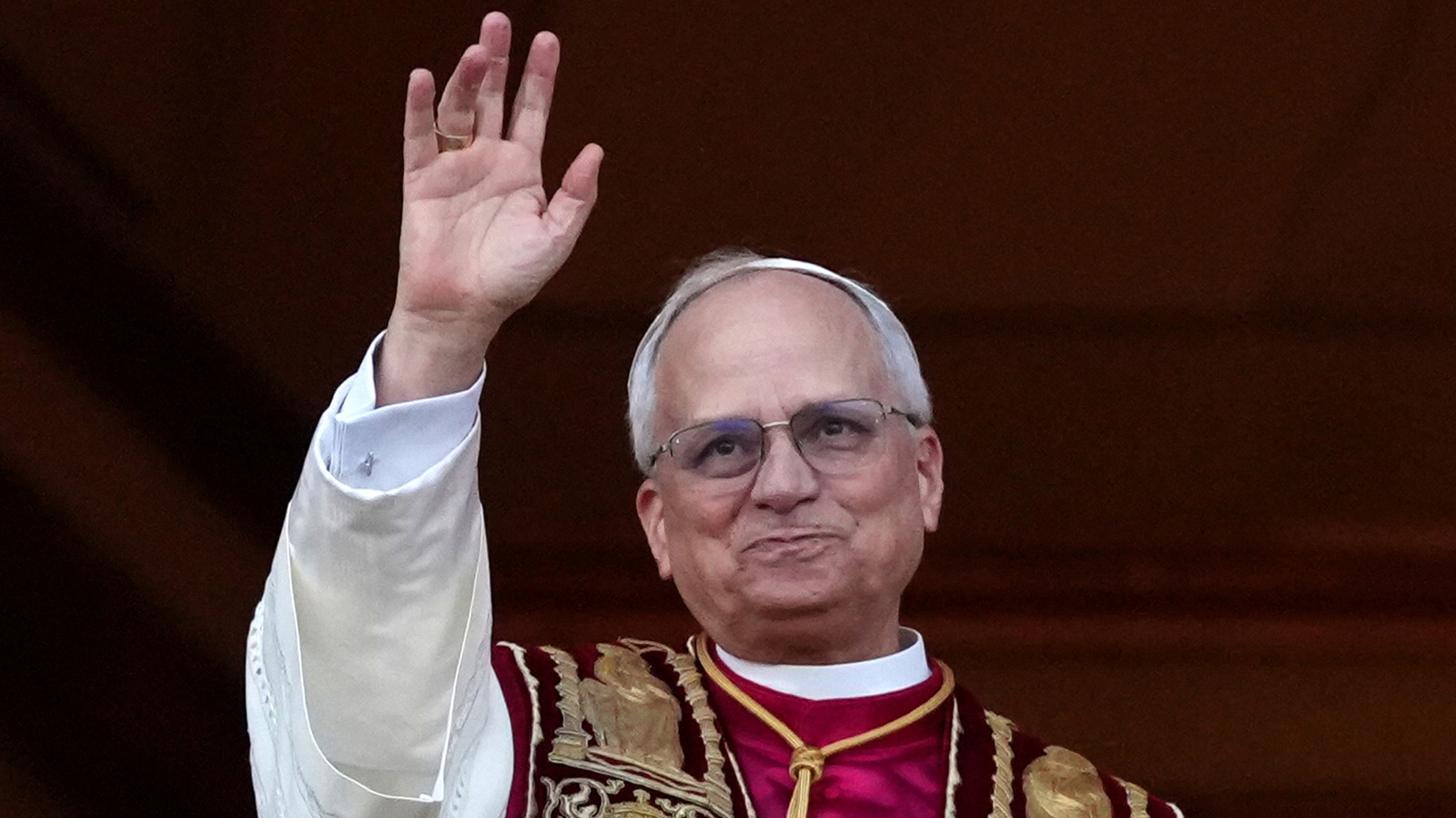
Pope Leo XIV has released his first papal encyclical, a 42,300-word document that addresses the ethical and regulatory landscape of artificial intelligence. Released on Monday, the text marks a significant intervention by the Catholic Church into the rapidly evolving tech sector, warning against the concentration of technological power and the dangers associated with unregulated AI development. The Pontiff appeared alongside Anthropic co-founder Christopher Olah during the release of the document, underscoring the intersection of religious authority and leading AI industry figures.
The encyclical argues that artificial intelligence lacks moral conscience, spiritual perspective, and the capacity for genuine understanding. Pope Leo stated that while these systems may surpass human intelligence in speed and computational capacity, they merely imitate human functions. He emphasised that AI does not undergo experiences, possess a body, or feel joy or pain, and therefore cannot bear responsibility for consequences or judge good and evil. The document asserts that such technology lacks the affective and relational perspective through which human beings grow in wisdom.
In response to these limitations, the Pope called for the establishment of adequate regulatory tools to uphold justice and curb the distorting effects of technological power. He highlighted that wealth is already concentrated in the hands of a few and urged governments to implement measures preventing further consolidation. The encyclical mandates that humans, not AI, must make all decisions related to weapons, ensuring that critical life-and-death choices remain under human control.
The document also proposes an educational alliance for the digital age, aimed at teaching critical thinking and guarding against apathy for seeking the truth. It calls for regulations to protect young people from violent, degrading, or sexually exploitative AI-generated content. Furthermore, the Pope warned that profits derived from AI should not be used to justify systematic job losses, encouraging instead the provision of employment protections and retraining for workers displaced by automation.
This release follows the Vatican’s previous engagement with AI technology, including a partnership in February with language service provider Translated to offer AI-powered live translations at Holy Mass. While the encyclical outlines strict ethical boundaries, it does not oppose AI as a whole, stating that with careful management, the technology could open up new horizons for humanity.
