Pope Leo XIV Issues First Encyclical on AI Ethics
The Vatican’s latest doctrinal document critiques the concentration of technological power and calls for transparent, open digital infrastructure to protect human dignity.
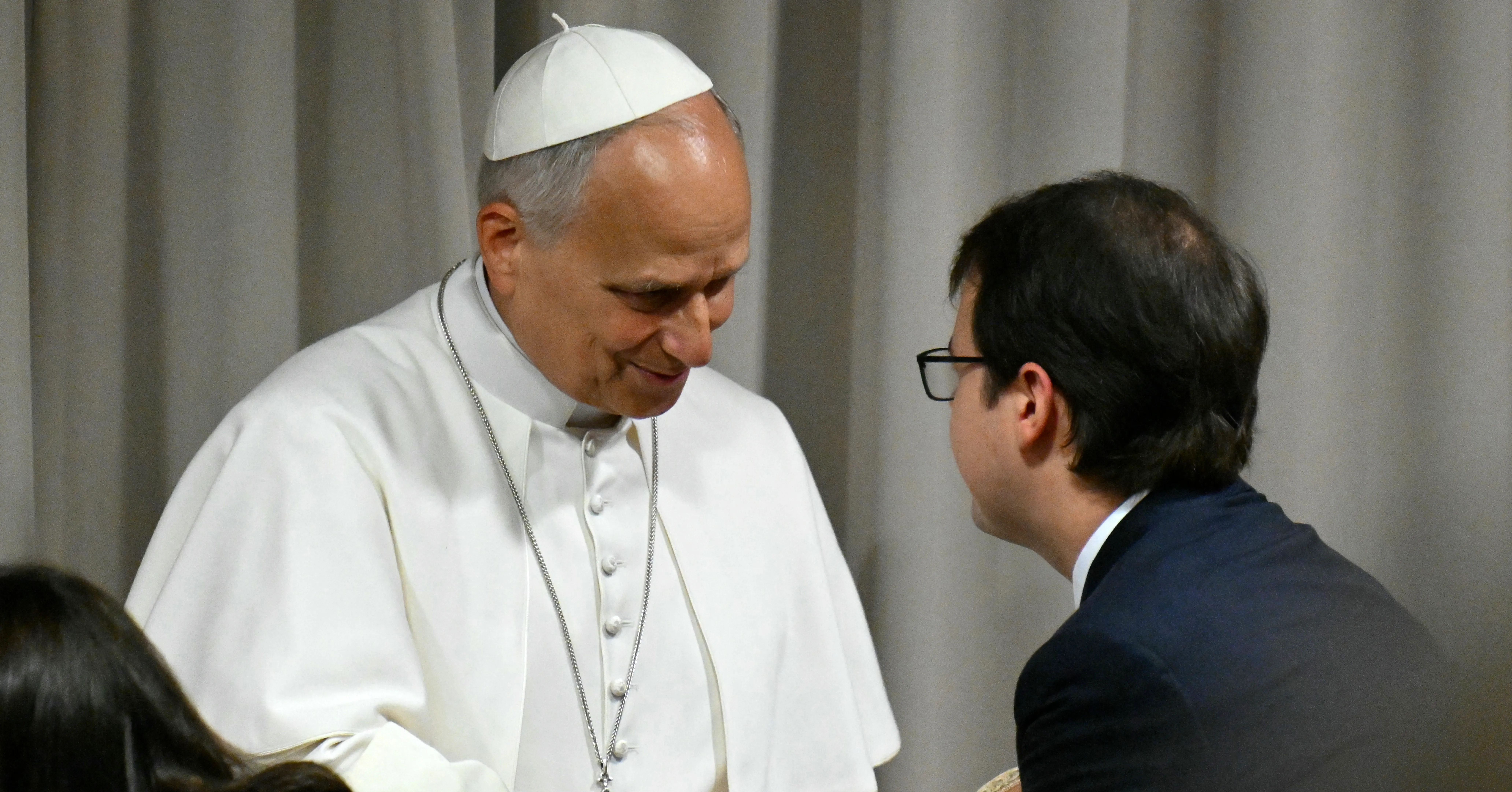
Pope Leo XIV has published his first encyclical, Magnifica Humanitas, on May 25, 2026, marking a significant intervention in the global debate on artificial intelligence ethics. Signed in the Apostolic Palace in Vatican City, the document frames AI not merely as a technological tool, but as an invisible infrastructure that shapes daily life, collective imagination, and social relations. The Pope explicitly critiques the concentration of data and computing capacity in the hands of a few global players, warning that this monopolisation threatens human dignity and social justice.
Issued on the 135th anniversary of Pope Leo XIII’s Rerum Novarum, the encyclical draws a parallel between the industrial revolution of the 19th century and the current digital transformation. While Rerum Novarum addressed the conditions of the working class during the rise of industrial capitalism, Magnifica Humanitas applies Catholic social doctrine to the challenges posed by algorithms, digital platforms, and automation systems. The text argues that technology belongs to human history and creativity, but its current scale and depth present unique risks that require urgent ethical scrutiny.
A central theme of the document is the concept of “disarming technology,” which the Pope defines not as a call to slow development, but as a measure to prevent AI from becoming an instrument of domination. The encyclical states that digital infrastructure must be made transparent, open to challenge, and “habitable” by a plurality of actors. It warns that current platforms often filter reality based on engagement metrics rather than truth, creating opaque systems that influence collective choices without clear accountability.
The document also addresses the impact of AI on the workplace, warning of a potential “social calamity” resulting from technological unemployment. Pope Leo XIV argues that when innovation is driven primarily by cost-cutting, workers risk being reduced to controllable, repetitive functions, stripping work of its creative and dignified nature. The encyclical emphasises that work is a space for human participation and responsibility, and that reducing it to mere economic optimisation is a profound social and political issue.
In the realm of conflict, the encyclical questions the adequacy of the traditional “just war” architecture in the age of automated strategy. It explicitly warns against the use of AI in lethal or irreversible decision-making, stating that moral responsibility cannot be delegated to automated systems. The Pope asserts that while technology itself is not evil, the current concentration of power and the lack of transparency in its application pose significant threats to peace and human rights.
The encyclical concludes by describing the current era as a construction site where technology, economics, and information are intertwined. It posits that the critical question is no longer just what technology can do, but who controls it and according to what vision of humanity. By invoking the legacy of Rerum Novarum, Pope Leo XIV urges a re-evaluation of power structures to ensure that the digital revolution serves the common good rather than entrenching existing inequalities.
This analysis is based on the full text of Magnifica Humanitas, as reported by WIRED.
