Pope Leo XIV calls for AI 'disarmament' in landmark encyclical
The Vatican’s first encyclical on artificial intelligence, signed on the anniversary of Rerum Novarum, warns against a new form of digital colonialism and calls for AI to be freed from monopolistic control.
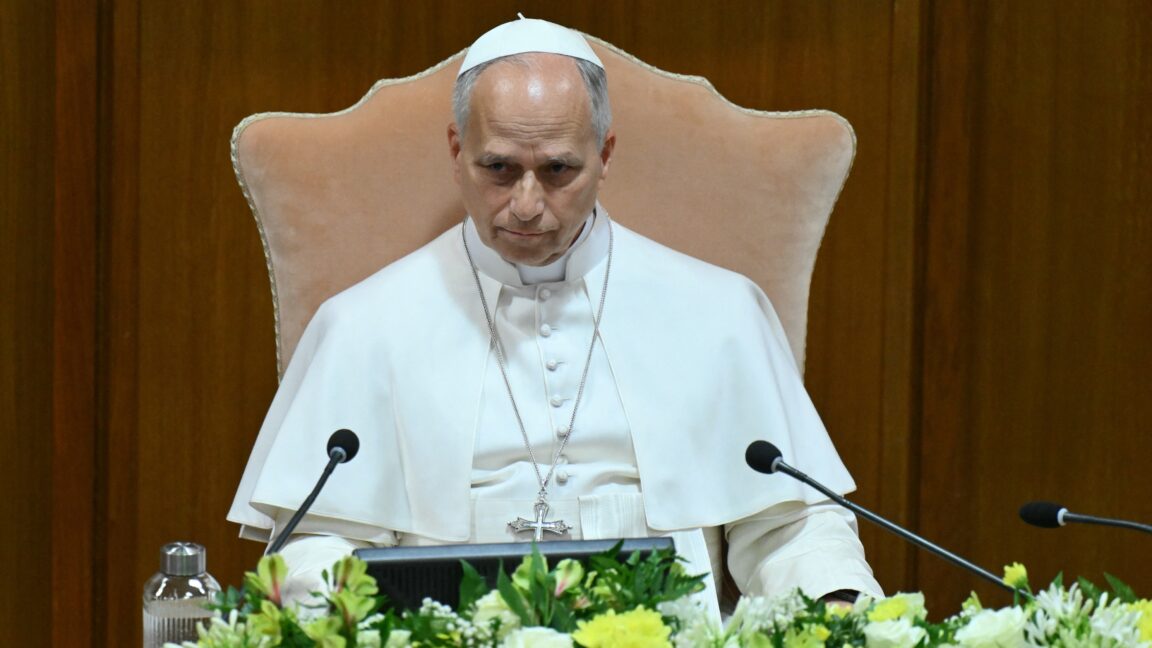
Pope Leo XIV has released his first encyclical, titled Magnifica Humanitas, calling for artificial intelligence to be "disarmed" to prevent it from becoming an instrument of domination, exclusion, or death. The 40,000-word document, signed on 15 May 2026 to coincide with the anniversary of Pope Leo XIII’s 1891 encyclical Rerum Novarum, updates Catholic social teaching for the digital age. The Pope described AI as the "res novae of our time," urging that the technology be freed from logics that prioritise warfare, monopolistic control, and inequality.
The encyclical offers a sharp critique of what it terms neo-colonial attitudes towards data collection. Leo warned that the aggregation of health, genetic, and demographic data from vulnerable regions constitutes a new form of colonialism, where vital information becomes the "rare earths" of power. He argued that those who control such data possess structural leverage over the future, capable of shaping markets and determining who receives protection and investment. The document asserts that without intervention, the digital age risks becoming colonial in another form rather than post-colonial.
Beyond critique, the Pope called for the construction of a "civilization of love" where technology augments rather than dominates humanity. He drew parallels between modern technological elites and historical colonial conquerors, emphasising the need for local moral action. To illustrate this point, Leo cited a protagonist from JRR Tolkien’s novels, widely understood to be Gandalf, advocating for individuals to uproot evil in their immediate spheres. The encyclical urges readers to act as "artisans of hope," engaging in small, steadfast acts of fidelity to build a society where technology serves the common good.
The release of the document in Rome on 21 May 2026 featured a dialogue with Anthropic co-founder Chris Olah, who praised the encyclical as timely. Olah highlighted three critical challenges for moral leaders: the duty to support the global poor against labour displacement, the need for moral imagination regarding human flourishing, and the necessity of discernment regarding the mysterious internal structures of AI models. He noted that current research reveals internal states in models that mirror human emotions, a development that warrants ongoing scrutiny.
While the Vatican maintains a nuanced stance on AI, it is not opposed to the technology as a tool. Earlier in 2026, the Church rolled out an AI-powered translation system for St Peter’s services into 60 languages. However, Magnifica Humanitas insists that such systems merely imitate human intelligence and lack moral conscience or the capacity for genuine relationships. The encyclical concludes that mere regulation is insufficient, calling instead for an ecological project that situates AI within the broader sweep of human culture and restores it to the plurality of human ways of life.
