Polyend’s AI Guitar Pedal Sparks Debate Over Cost and Reliability
Music gear maker Polyend has launched a programmable pedal that turns text prompts into audio effects, though critics argue dedicated modular units offer better value for serious experimentation.
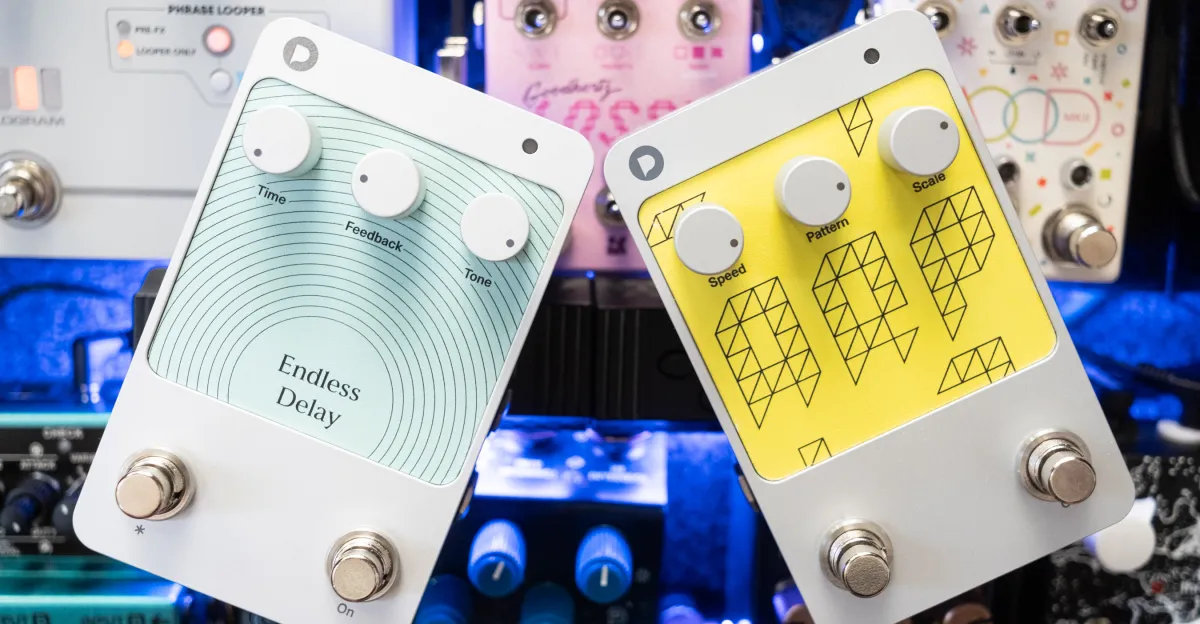
Polyend has released the Endless, a $299 programmable guitar pedal that utilises a custom large language model to generate audio effects from text prompts via its Playground web interface. The device runs on an ARM processor and requires tokens for effect generation, with 2,000 included in the initial purchase and additional packs available for $20. While the pedal allows users to create unique effects, reviews highlight limitations including token costs, slow generation times, and the need for manual power cycling to load new effects. Polyend states its servers are energy self-sufficient.
The Endless is described as a "well-intentioned first attempt" to marry an effect pedal to an LLM, though the AI is not actually housed within the pedal itself. Polyend trained a custom LLM to code effects, which are then loaded onto the pedal; users can also build effects in C++. The Playground web frontend uses interconnected AI agents to interpret prompts, select algorithms, generate code, and validate it.
Generating effects costs tokens, with complexity and iteration increasing the cost (e.g., a simple fuzz may cost 20 tokens, while a complex granular looper may cost 500). The reviewer noted that Playground can be slow, taking five to over 10 minutes per generation, and that iterating to get desired results can be frustrating and token-intensive.
The pedal can only load one effect at a time, and loading new effects via USB often requires a manual power cycle for the effect to work properly. Polyend is opening the gallery to third-party contributions, though the current library of about 60 "Plates" is mostly developed by Polyend.
Founder Piotr Raczyński states that Playground servers are on-site and "almost 100% energy self-sufficient thanks to solar power and heat pumps." The reviewer suggests that for serious experimentation, dedicated modular pedals like the Polyend Beebo ($449), Empress Effects ZOIA ($549), or Eventide H90 ($899) may be more reliable, despite their higher cost.