Polls close across England, Scotland and Wales in historic test for Westminster parties
Strategists await results with trepidation as Labour faces potential record-breaking losses while insurgent parties position themselves for significant gains in council control.
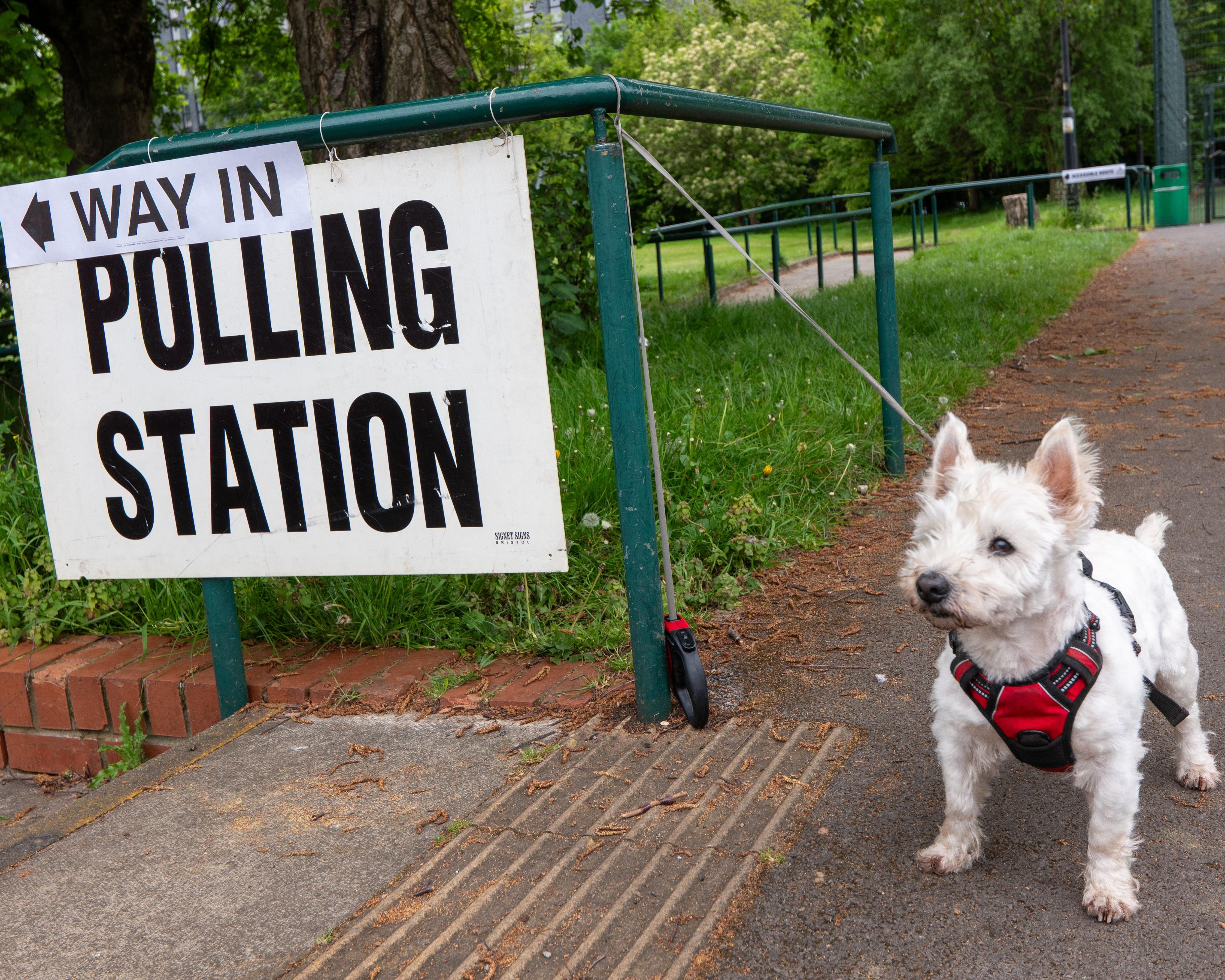
Polls have officially closed across England, Scotland and Wales for a series of local, mayoral and parliamentary elections involving more than 30 million voters. The contest is widely regarded as the most significant challenge for Prime Minister Keir Starmer since the 2024 general election, with outcomes expected to fundamentally alter the political landscape of the three nations.
Initial results are anticipated to be announced around 12:30am on Friday, with a substantial volume of data expected to emerge by lunchtime. By the end of Friday, approximately 80 councils are projected to have declared results, though final counts for specific London boroughs such as Croydon and Tower Hamlets, as well as Hastings in Sussex, will not be concluded until Saturday afternoon.
The political implications for the Labour Party are severe, with strategists awaiting the returns with trepidation. Estimates suggest the party could lose more than 1,800 seats, representing 75 per cent of those it is currently defending. This precarious position is driven by pressure from Reform UK in traditional strongholds across the north-east, Midlands and north-west, alongside challenges from the Green Party in London boroughs including Lambeth, Islington and Hackney.
In Scotland, the race for the 65 seats required to secure a majority in the 129-member Scottish Parliament remains unclear, with Labour potentially pushed into third place behind the SNP and Reform. Similarly, in Wales, where a new proportional voting system is in place, Welsh Labour faces the prospect of a historic defeat after holding first place in every devolved election since 1999.
Insurgent parties are expected to capitalise on the shifting dynamics, with Reform UK campaigning heavily in both traditional Labour strongholds and Conservative enclaves to target county council control. The Green Party aims to increase its councillor numbers for an unprecedented eighth consecutive set of local elections, while the Liberal Democrats seek to expand their presence in areas such as Hampshire and West Sussex.