Poll shows One Nation leads primary vote as Australian pessimism grows
A new survey reveals One Nation has surpassed both Labor and the Coalition to lead the primary vote at 30 per cent, while widespread dissatisfaction with the federal budget and economic outlook fuels anti-establishment sentiment across key demographics.
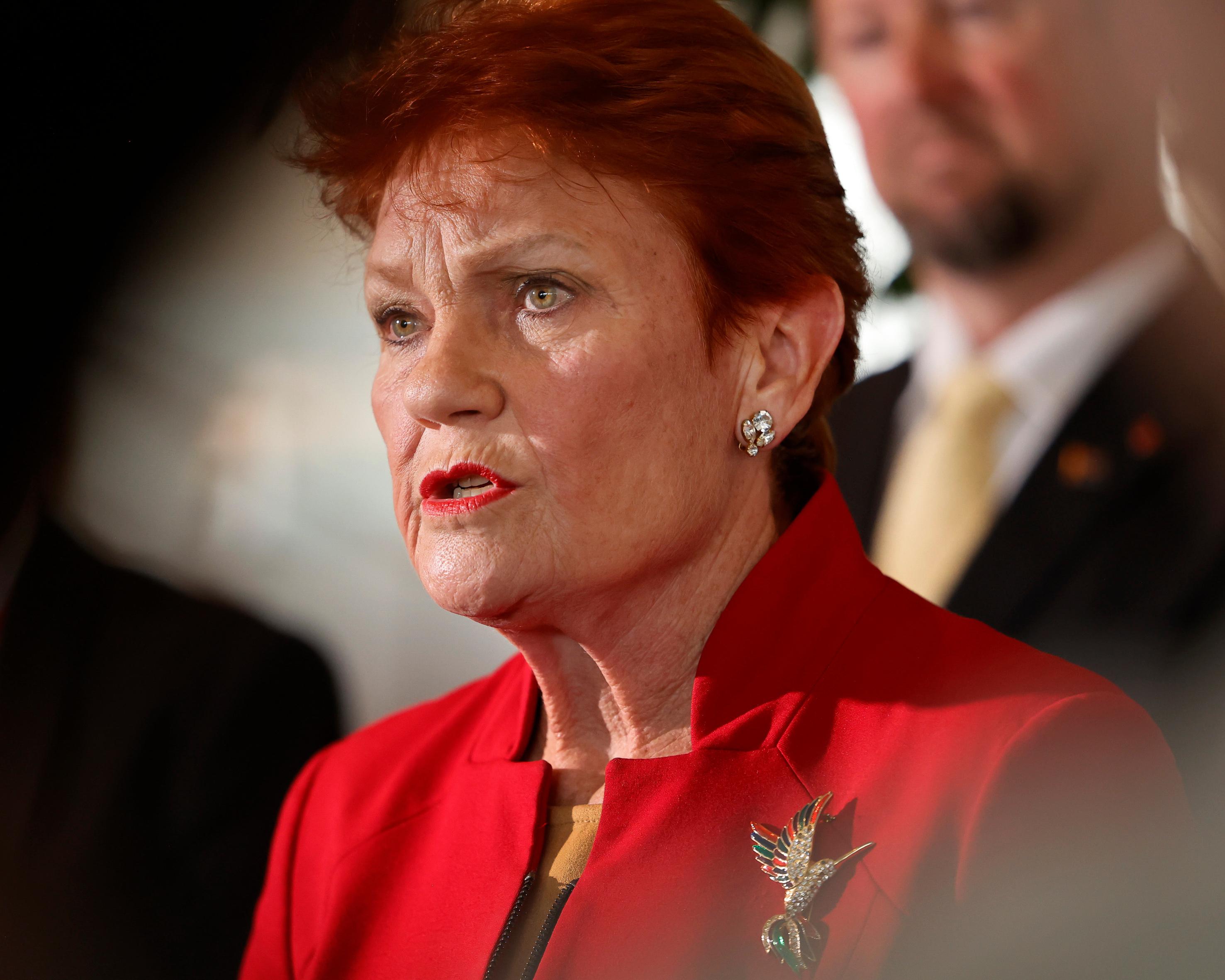
A Redbridge Group/Accent Research poll published in the Australian Financial Review indicates One Nation has surpassed the Labor Party and Coalition to lead the primary vote at 30 per cent, while Labor sits at 28 per cent and the Coalition at 20 per cent. The survey reveals widespread dissatisfaction with the federal budget, particularly among Generation Z, millennials, Gen X, and renters. A majority of respondents believe the country is heading in the wrong direction, with One Nation voters expressing deep scepticism toward institutions and politicians. Analysts attribute the shift to pervasive national pessimism regarding the future and a loss of trust in established political norms.
The data marks an unprecedented shift in Australian politics, with One Nation’s primary vote now exceeding 30 per cent for the first time. Labor’s vote has fallen three points to 28 per cent, while the Coalition sits at 20 per cent. For the first time in this poll, a majority of Australians stated they would not vote for either Labor or the Coalition. Assessments of the federal budget were broadly negative, with respondents believing it would be detrimental to both the country and their personal circumstances.
Dissatisfaction with the budget was particularly acute among younger voters and those renting. Only 25 per cent of Generation Z respondents believed the budget would be good for the country, while 36 per cent said it would be bad or very bad. Among millennials, only 28 per cent viewed the budget positively. Gen X voters held the most negative evaluations, with just 6 per cent saying the budget was good for them personally and 54 per cent describing it as very bad or bad. Among renters, a key demographic for the government, only 16 per cent said the budget was good for them personally.
National optimism has dropped significantly compared to historical levels. Only 25 per cent of all respondents believe Australia is heading in the right direction, a sharp decline from 65 per cent in the week following Peter Costello’s 2007 budget. Among One Nation voters, 90 per cent believe the country is heading in the wrong direction. This sentiment is underpinned by frustration with the current political model and a view among a cohort of voters that the answer lies outside established norms. The typical One Nation voter is characterised by a loss of trust in institutions and deep scepticism about the competence and motives of both government and large corporations.
Concerns regarding the future are widespread, with more than half of respondents believing the next generation will have a worse standard of living than their parents. One Nation voters are even more downbeat, with 78 per cent believing the next generation will face a worse standard of living. This protracted pessimism provides the architecture for One Nation’s vote, as voters lose hope in the current political model. With One Nation untainted by a record of perceived failure in government, the party has the capacity to further erode Labor’s base if the government fails to define a clear political purpose.