Plug-in solar gains ground as US states ease household rules
Low-cost balcony solar kits are entering the US market as states move to permit qualifying systems without utility preapproval.
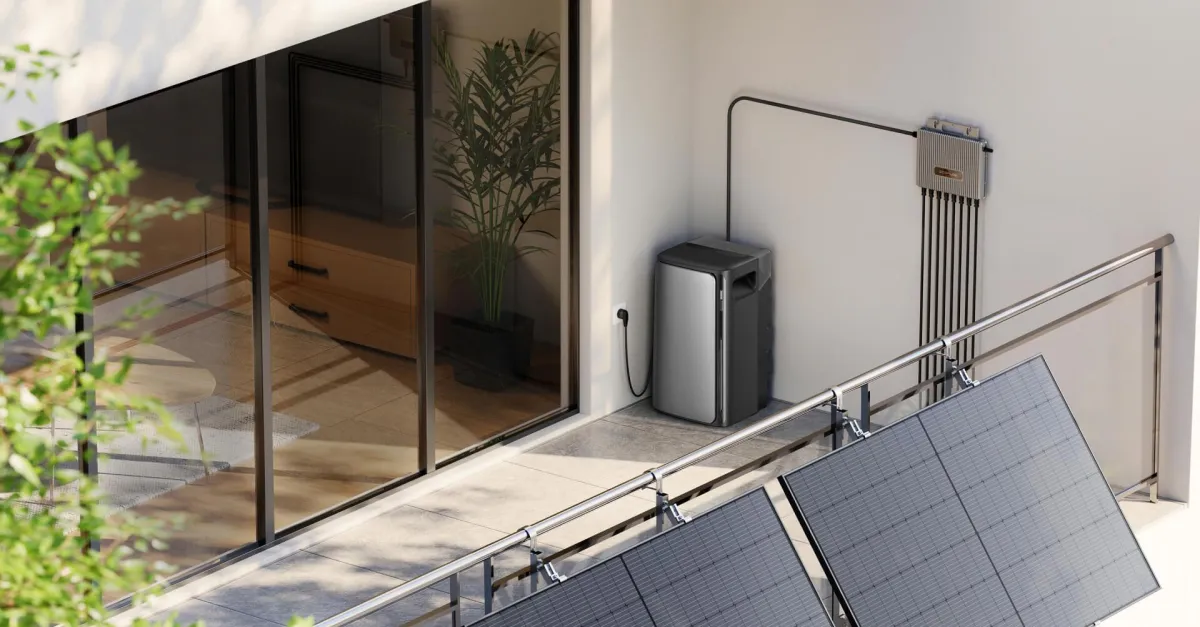
Plug-in solar systems are gaining a foothold in the United States, with more than a dozen states having legalised or considering laws for household kits that connect to a home outlet.
The Verge reports that qualifying systems can operate without utility preapproval in some states, provided they meet safety standards, prevent circuit overloads and shut down during power outages to protect line workers.
Virginia, Maine, Colorado, Maryland, New Jersey, Connecticut, Vermont, New Hampshire and Utah are named as states where plug-in solar is legal. Legislation is awaiting approval in California and New York, while bills have been introduced in another six states.
Also known as balcony solar, the systems are positioned as a lower-cost alternative to conventional rooftop installations. Kits start at about US$300, compared with roughly US$15,000 for traditional solar systems, and typically combine panels with a microinverter that directs generated power to household devices.
Batteries can store surplus electricity for use after sunset and provide backup power during blackouts. Companies including EcoFlow, Bluetti and Anker are pursuing the emerging market, with modular systems designed to expand through additional panels and batteries.
The Verge says European systems commonly deliver up to 800W to a home, while US states typically allow up to 1,200W. However, legal status, permitted output and equipment requirements vary by state, meaning households must check local rules before installation.