Plug-in balcony solar gains legislative traction in US despite safety hurdles
Dozens of US states are considering laws to allow residents to install plug-in balcony solar systems, yet experts warn that current DIY setups face significant safety risks and compliance gaps.
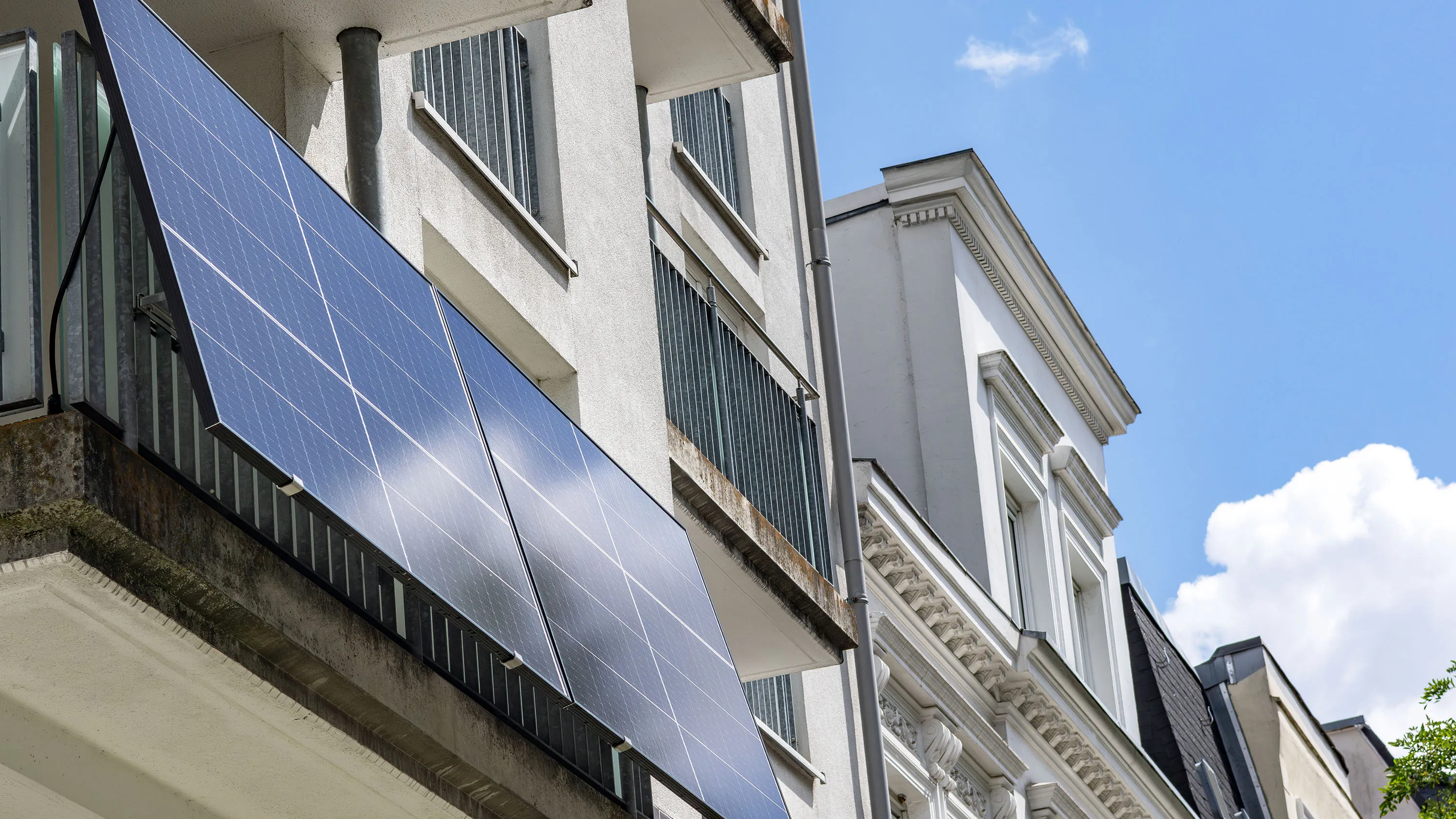
Dozens of US states are currently considering legislation to legalise plug-in balcony solar systems, a technology that has already seen widespread adoption in Europe. While these small arrays offer a potential pathway for renters and homeowners to generate their own power, their introduction into the US market is complicated by regulatory frameworks designed for larger installations.
Utah became the first state to explicitly permit these systems in late 2025. The new law removes interconnection requirements for low-power, certified units, aiming to bypass the expensive and lengthy processes typically associated with utility agreements. Legislation under consideration in other states, including New York, includes similar requirements for low power caps and national testing facility certification.
The technology involves small arrays measuring up to roughly two square metres, capable of generating up to 800 watts—enough to power a standard microwave. While popular in Germany, where over a million systems are installed, many Americans have previously installed DIY balcony solar in a regulatory gray area without explicit utility permission.
To address safety concerns regarding circuit overloading, ground fault interruptions, and touch hazards, UL Solutions released a new testing protocol, UL 3700, in January. The framework mandates the use of special outlets designed specifically for these panels and requires full system certification to ensure that traditional circuit breakers and outdoor GFCI outlets function correctly when power flows back into the home.
As of early May, no plug-in solar systems had achieved full UL 3700 certification. This lack of certified products means that current DIY installations may now require electricians to update wiring to comply with safety standards, a reality that contradicts the "no electrician" marketing often associated with the technology.
Joseph Bablo, manager of principal engineering at UL Solutions, noted that while the goal is to make solar accessible, the need for special outlets means the industry is not yet at the stage of permit-free installation. He emphasised that the gold standard is an entire system meeting the new safety requirements, rather than simply stringing together individually certified components.
Despite the compliance gap, proponents believe the technology can still help more people access solar power once the necessary safety measures are in place. The focus remains on ensuring that plug-in solar works safely within existing home electrical infrastructure as legislation continues to evolve across the country.
