Plaid Cymru secures largest share of seats in Welsh Senedd election, ending Labour hegemony
The nationalist party is positioned to form a minority government after Reform UK finishes second and Labour retains only nine seats
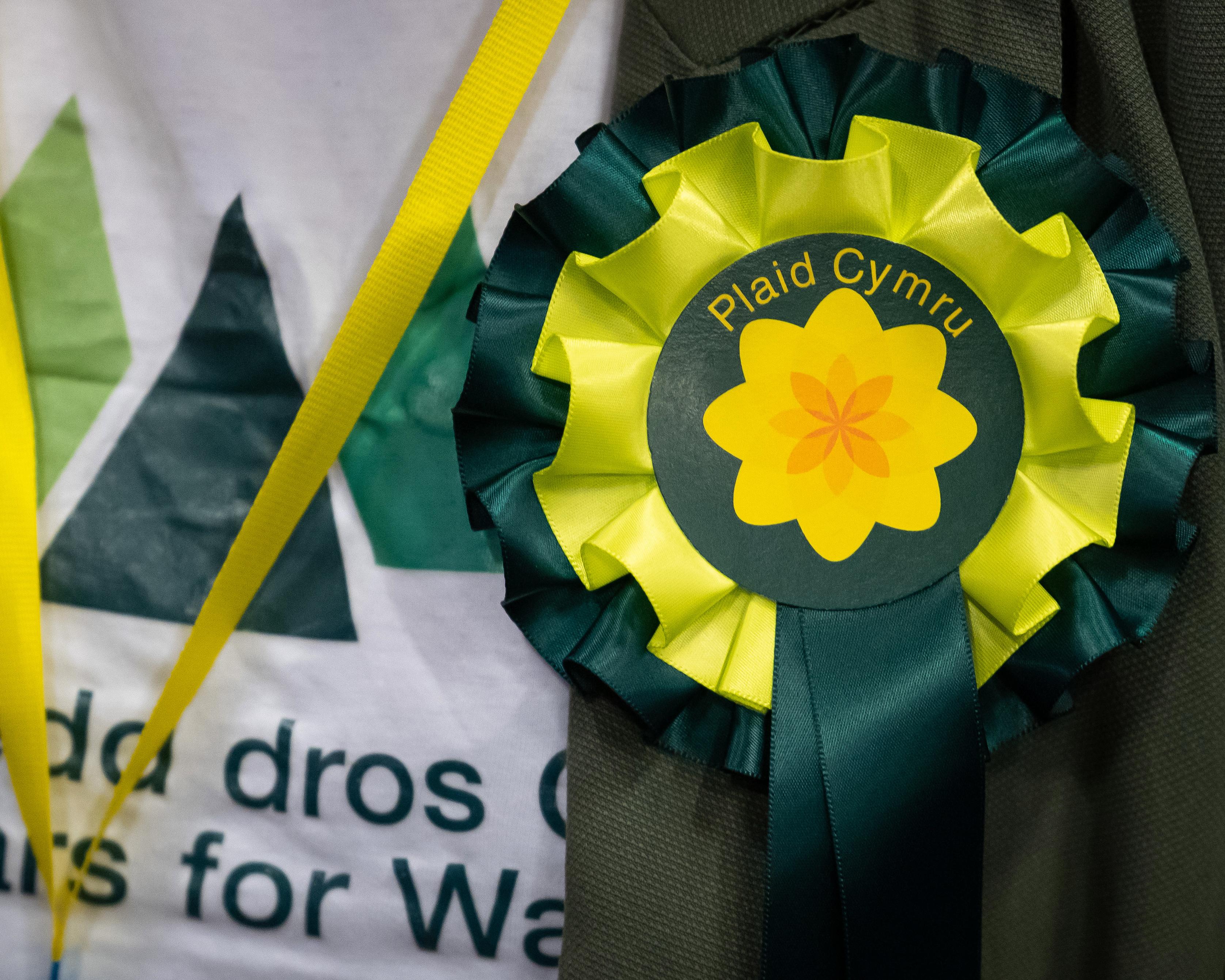
Plaid Cymru has emerged as the largest party in the Welsh Senedd, securing 42 seats in the newly expanded 96-seat parliament. This result marks the end of more than 100 years of Labour dominance in the region, a shift that the Welsh nationalist party is now positioned to translate into a minority government. The outcome represents a seismic political change, with the previous governing party reduced to a distant third place.
Reform UK finished second in the contest, securing 34 seats, while Labour suffered a historic defeat by retaining only nine seats. This collapse is particularly stark given that the party had never returned fewer than 26 seats in the previous 60-seat chamber. The election utilised a new proportional D'Hondt voting system with 16 super-constituencies, each electing six members, which altered the mathematical dynamics of the race compared to previous contests.
First Minister Eluned Morgan has announced her resignation following the result, citing a catastrophic outcome for Welsh Labour. In her concession speech, she acknowledged that the party would need to understand the depth of the challenge and adjust to a world where multiple parties contend for power. Her departure triggers an immediate leadership contest within the party, as she steps down from both her ministerial role and party leadership.
Plaid Cymru leader Rhun ap Iorwerth is travelling to Cardiff to begin the process of forming a minority government. The party's victory makes a Welsh independence referendum a future possibility, raising the prospect of significant constitutional disputes with Downing Street. This development means all three of the UK's Celtic nations would be controlled by separatist parties, a scenario that could reshape the political landscape of the United Kingdom.
Voter sentiment was heavily influenced by specific policy concerns rather than a traditional two-party contest. Pollsters indicated that the desire to "Stop Reform" was the single biggest factor influencing votes at 14%, followed by immigration concerns at 10%. Despite the new proportional system creating complex super-constituencies, the messaging that the race was between Plaid Cymru and Reform appears to have resonated with the electorate.
Turnout is expected to exceed 50% for the first time in a Senedd election, reflecting a once-in-a-century changing of the guard in what was previously Labour's most unfailingly loyal heartland. Observers note that while Plaid Cymru and Reform UK were previously neck-and-neck in polls, the actual result was less close than predicted, similar to the 2025 Caerphilly byelection. Most other parties have ruled out a coalition with Reform UK, making it unlikely they could form a government even if they had won the most seats.