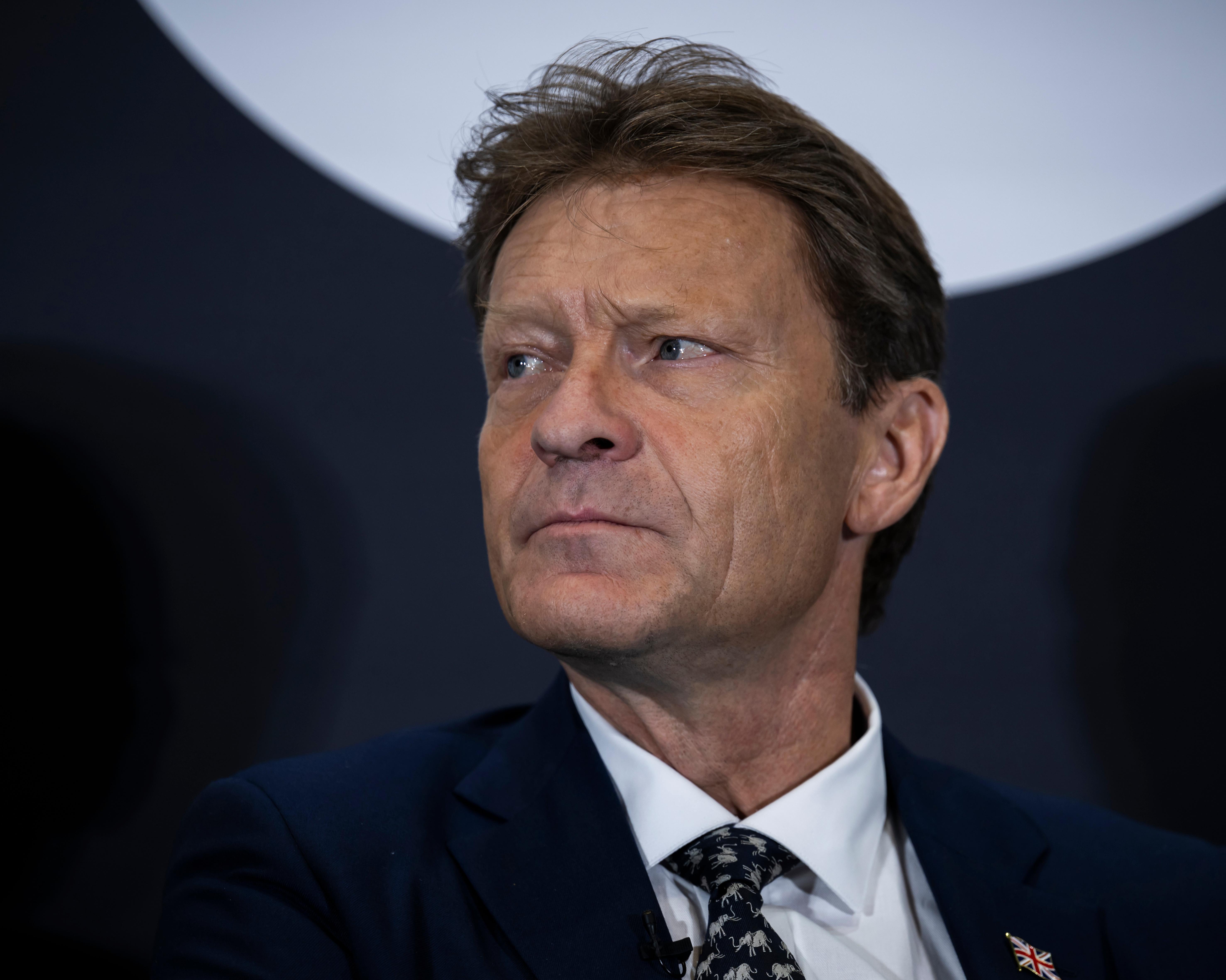
Plaid Cymru leader Rhun ap Iorwerth vows stable minority government in Senedd
With 43 seats, the party falls short of a majority but intends to secure support from the Greens and likely abstentions from Labour and Liberal Democrats to elect its first minister
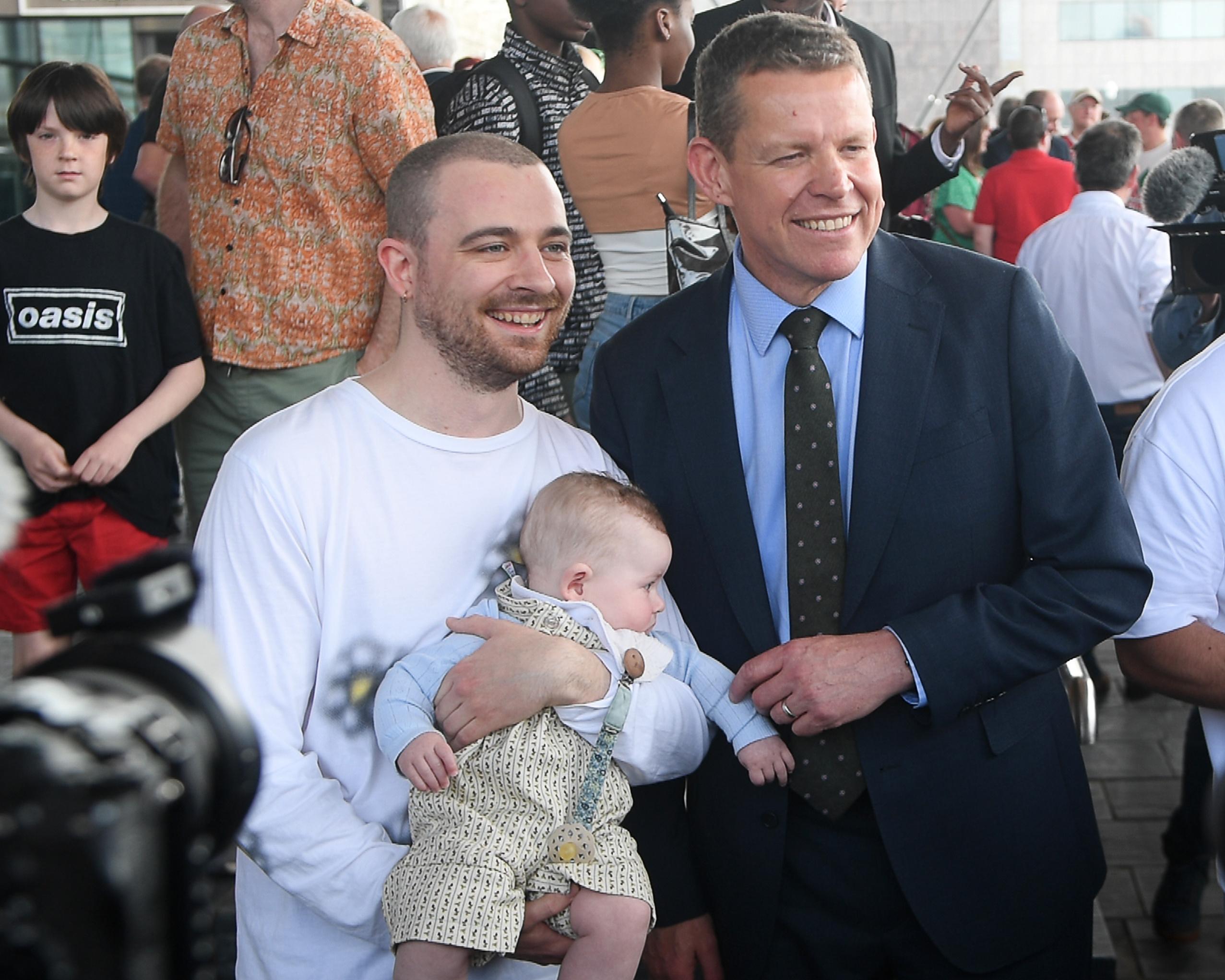
Rhun ap Iorwerth, leader of Plaid Cymru, has confirmed his intention to form a stable minority government in the Senedd following the party's election victory. Securing 43 of the 96 available seats, Plaid Cymru defeated Labour, which had dominated Welsh politics for a century, and comfortably outperformed Reform UK. The administration will rely on formal backing from the Green Party and anticipated abstentions by Labour and Liberal Democrat members to elect ap Iorwerth as first minister.
The new government plans to pursue a cooperative approach rather than entering a formal coalition with other parties. Ap Iorwerth stated that he does not view working with other parties as a negative, noting that the focus must be on building stability by assembling a programme that attracts support to get things done. He explicitly distinguished this strategy from traditional coalitions, emphasising a desire for mature politics that serves the people of Wales rather than engaging in political rows with Westminster.
Central to the administration's agenda is the pursuit of additional powers from the UK government. The new first minister intends to press for expanded authority over policing, justice, the crown estate, and funding arrangements. Alongside these constitutional requests, the government will prioritise practical outcomes, including improvements to the health service, raising standards in education, creating jobs, and rolling out a generous childcare offer.
Ap Iorwerth expressed a clear desire for a constructive relationship with UK Prime Minister Keir Starmer or his successor, aiming for results rather than disputes. He indicated that his cabinet could include new members alongside experienced hands and suggested that a supplementary budget may be introduced to facilitate the new administration's priorities. A vote to elect the first minister could take place as early as Tuesday if the expected abstentions from Labour members occur.
The election results have prompted discussions on potential cooperation with other nationalist parties in Scotland and Northern Ireland regarding shared policies, such as offshore natural resources. Ap Iorwerth suggested that Wales, Scotland, and Northern Ireland could stand together to fight for more equality across the UK. Meanwhile, interim Welsh Labour leader Ken Skates described the relationship as mature but noted it would serve the people of Wales, not Plaid Cymru.
Reform UK member Llŷr Powell indicated his party would not be tribal and might vote with Plaid on policies they believe in. Ap Iorwerth attributed the size of the win to the determination of the Welsh people to keep Reform out and their disillusionment with both UK and Welsh Labour, framing the result as a mandate for a new beginning for Wales.