Pichai outlines AI-first restructuring and AGI timeline in post-I/O interview
In a conversation with The Verge’s Decoder following the Google I/O developer conference, Sundar Pichai described the company’s pivot to an AI-first structure, the integration of agentic workflows, and the industry’s approach to the “foothills of the singularity.”
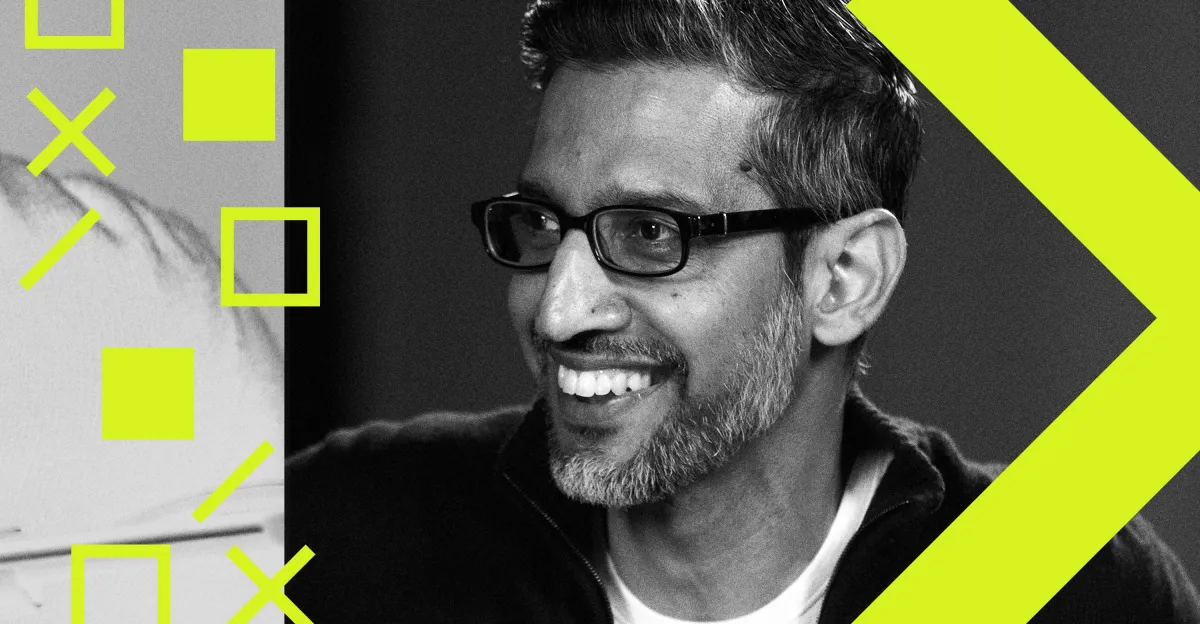
Google and Alphabet CEO Sundar Pichai has outlined a comprehensive restructuring of the company into an “AI-first” organisation, a move he described as a necessary response to the rapid adoption of artificial intelligence technologies. Speaking in a podcast interview with The Verge’s Decoder following the Google I/O developer conference, Pichai detailed the consolidation of world-class research teams from Brain and DeepMind into a unified Google DeepMind entity. This structural change was accompanied by the establishment of a centralised AI infrastructure team, led by SVP Amin Vahdat, to power products across the ecosystem, including the Gemini models, Search, and YouTube.
To accelerate decision-making and product velocity, Pichai announced significant leadership changes, including appointing Elizabeth Reid to lead the Search business. The company has also instituted weekly AI product reviews to ensure intentional application of technology across its portfolio. Pichai emphasised that while Google maintains a culture of experimentation, the new structure allows for a common infrastructure that powers consistent experiences, such as personal intelligence features, across its major platforms.
The evolution of Search and YouTube remains a focal point of the company’s strategy, with Pichai addressing the phenomenon of “Google Zero,” where search traffic to external websites declines as the company answers queries directly. He acknowledged that publishers like Condé Nast are planning for reduced search dependency, noting that the information ecosystem is shifting from a web-centric model to one involving ongoing conversations and voice interactions. Despite these shifts, Pichai stated that Google is adding more links to search results and reflecting user subscriptions as preferred sources to maintain connections to the open web.
Integration of agentic workflows is central to the new product vision, with the “Antigravity” coding platform now built into the Gemini model, allowing developers to direct teams of AI agents. Pichai also confirmed that Google is training models on YouTube videos and updating YouTube search to summarise and index content, dropping users into relevant segments. Additionally, the company is collaborating with Amazon and Walmart on a “Universal Commerce Protocol” to standardise online shopping, aiming to create a more seamless experience for consumers.
On the topic of advanced artificial general intelligence (AGI), Pichai agreed with DeepMind CEO Demis Hassabis that the industry is approaching the “foothills of the singularity.” While declining to provide a specific timeline, Pichai expressed optimism that AGI is coming “sooner rather than later,” citing a wide consensus among frontier labs. He argued that the rate of progress is more critical than the exact date, urging society to prepare for the implications of increasingly intelligent systems.
