Philippine artist sues AI meme generator over commercial use of copyrighted comic
Legal expert Eric Goldman says the case is strategically risky but strengthened by evidence of identical copying, setting a potential precedent for AI copyright disputes.
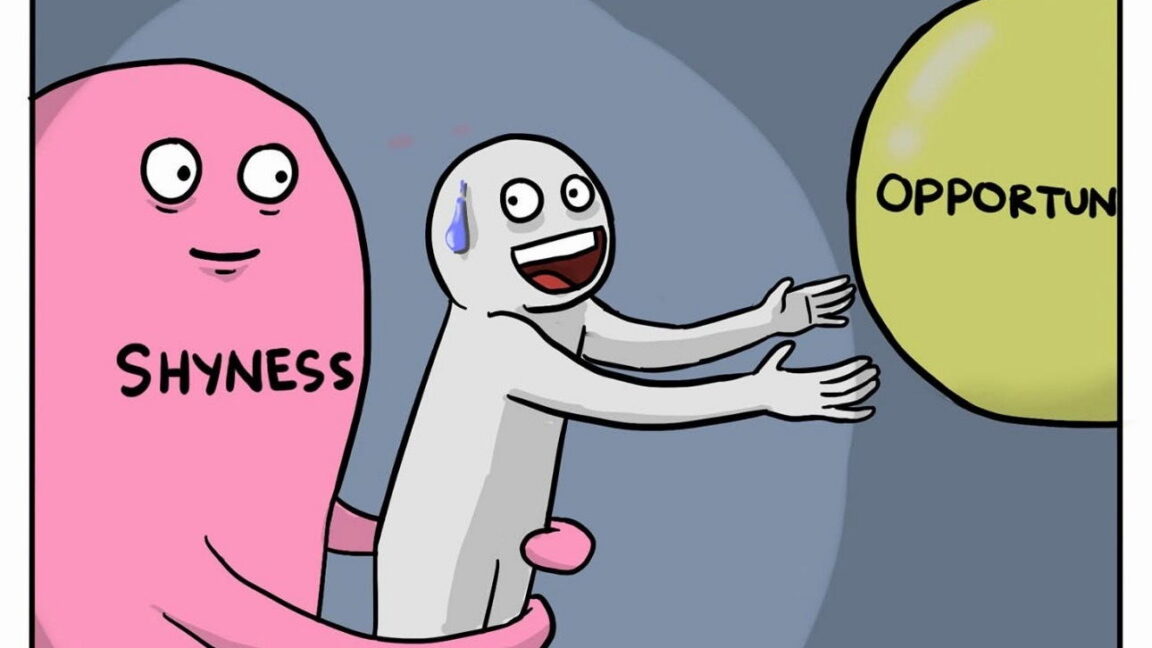
Philippine digital artist Elmer Saflor has filed a copyright lawsuit against Memes Apps, LLC, the operator of the AI-powered platforms Memes.ai and Memes AI Studio. Saflor alleges the company infringed his copyright by selling paid subscriptions to an ad generator that uses his 2017 comic, "Running Away Balloon," as a template for commercial advertisements. The suit seeks to stop the use of the comic, obtain a full account of its usage, and reclaim profits.
Internet law expert Eric Goldman noted that while the case is strategically risky, the inclusion of identical copies of the original work in the AI outputs strengthens Saflor's position compared to other AI copyright disputes. Goldman cited a 2024 precedent involving the “SuccessKid” meme, where a court ruled that meme usage in campaign ads requires permission, unlike non-commercial use.
Memes Apps offers subscription tiers for its ad generator at $40 or $199 monthly. The company claims to work with more than 40 brands, generating up to 1,000 ads monthly to audiences with over 75 million social media followers. Saflor stated he did not contact Memes Apps prior to filing the suit and has not yet seen examples of his meme used in ads generated by the platforms.
Saflor filed the lawsuit to compel discovery, raising broader questions about how AI-powered platforms use creators’ work and what licensing obligations they may have. He argues that while internet users sharing memes for fun is distinct from a company monetizing copyrighted work as part of a commercial product.
Goldman suggested that a win for Saflor could have significant implications for high-stakes AI copyright fights, particularly where copyright owners can provide evidence of identical replication. However, he noted that meme culture inherently relies on copying without permission, creating tension with traditional copyright law and potentially making courts cautious about ruling in Saflor's favour.