Petraeus says Iran 'blinking' on Hormuz; deal could lift blockade unconditionally
Commentary from David Petraeus coincides with market relief following US-China summit, though analysts warn of a gradual supply restoration
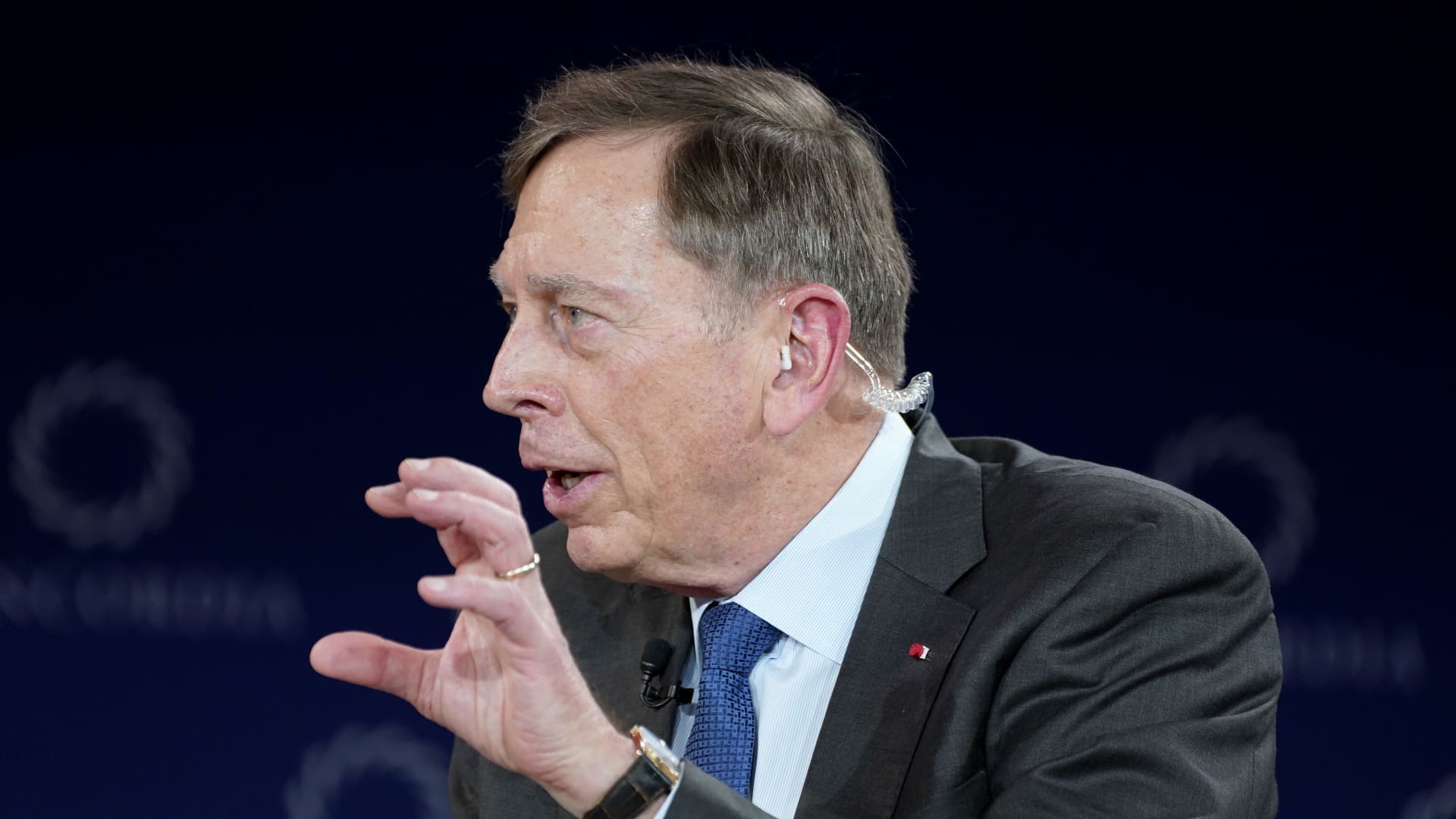
Former CIA director David Petraeus has indicated that Iran is in the 'process of blinking' regarding the Strait of Hormuz, suggesting a significant shift in the region's geopolitical stance. Speaking to CNBC, Petraeus stated that an initial successful peace deal with Tehran would result in the Strait being opened without any conditions, marking a potential turning point after months of disruption.
The commentary comes against a backdrop of escalating tensions that have severely impacted global energy markets. Iran effectively blockaded the Strait of Hormuz in late February 2026, disrupting approximately one-fifth of global oil trade. In response, the United States imposed a blockade of Iranian ports in mid-April, further complicating diplomatic and commercial channels.
Market sentiment has shown signs of recovery following recent diplomatic developments. US stock markets rose on Thursday as President Donald Trump and Chinese President Xi Jinping commenced a two-day summit in Beijing. The agenda for the talks included trade, artificial intelligence, and the ongoing situation at the Strait of Hormuz, with the Dow Jones Industrial Average gaining 0.8 per cent and the S&P 500 rising 0.3 per cent.
Despite the recent retreat in oil prices, structural risks remain elevated. Brent crude has fallen 9 per cent from a month ago but remains over a third higher than pre-war levels. President Trump has defended the negotiation process, stating he does not "listen to the losers" and asserting that any agreement reached would be "good and proper," while also instructing officials not to rush into a settlement.
Analysts caution that the return to normalcy will be gradual. June Goh, a senior oil market analyst at Sparta in Singapore, noted that while a deal could release up to 100 million barrels of crude from stranded ships, it may take three to six months to restore production and refineries to their previous status. Fundamentally, the underlying supply picture remains constrained, with ongoing concerns about the region's energy infrastructure.