Personal software projects and AI tools dominate The Verge's latest Installer newsletter
Issue No. 126 highlights the rise of "vibe coding" as developers use tools like Claude Code to unify workflows and solve specific problems without traditional coding knowledge
The Verge's Installer newsletter has dedicated Issue No. 126 to a curated collection of personal software and hardware projects developed by its staff and readers. The digest emphasises the emerging trend of "vibe coding," where creators utilise AI tools to build applications ranging from productivity suites to niche utilities, often bypassing the need for extensive traditional programming knowledge.
A significant portion of the issue focuses on a custom productivity application named Daily, which a staff member developed using Claude Code. The app unifies Google Calendar, Todoist, and Raindrop into a single interface for task management and bookmarking, allowing users to create tasks, events, or notes through one window. The developer noted that while the underlying infrastructure remains the same, the unified visual experience has significantly tamed the chaos of daily planning.
Beyond personal efficiency, the newsletter showcases utility-driven projects that address specific gaps in existing digital services. A lawyer named Scott created SCOTUSWatch, an application that uses AWS Lambda and Claude Code to scrape the Supreme Court website for new opinions and provide AI-generated summaries. Similarly, a reader named Simon built an app to locate Itsu sushi outlets offering 50 per cent discounts thirty minutes before closing, solving a logistical problem caused by varying store hours across the network.
Hardware enthusiasts are also featured, with one reader named David constructing a physical Cyberpunk 2077 radio. Using a 3D-printed shell, an LED matrix display, and Python code, the device replicates the game's real-time spectrum display. The project involved extracting 3D model files from the PC version of the game and designing a 1:1 scale shell in CAD before wiring the components together.
The digest also touches on the use of open-source models to reduce subscription costs. A reader named Franklin developed a local-first app that transcribes and summarises lectures using open-source models like Gemma 4 alongside Claude. This approach eliminates the need for subscription-based services, allowing users to process voice recordings entirely on their own computers.
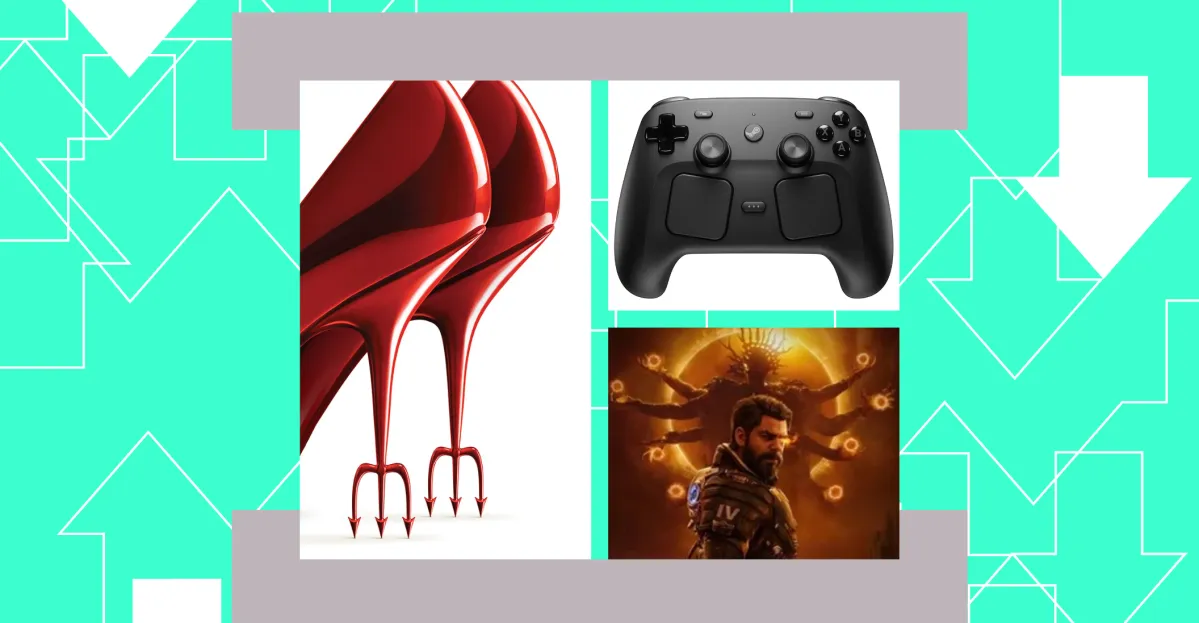
While the primary focus remains on these creative technical achievements, the newsletter briefly covers other topics including the Steam Controller, the sequel to The Devil Wears Prada, and commentary from John Oliver regarding AI chatbots. The issue concludes by inviting readers to share their own creations, reinforcing the community-driven nature of the publication.
