Pershing Square USA Opens at Significant Discount as Ackman Cites Retail Pressure
The hedge fund manager attributes the immediate post-listing decline to technical selling pressure, though data indicates institutional investors accounted for the vast majority of the $5 billion raised.
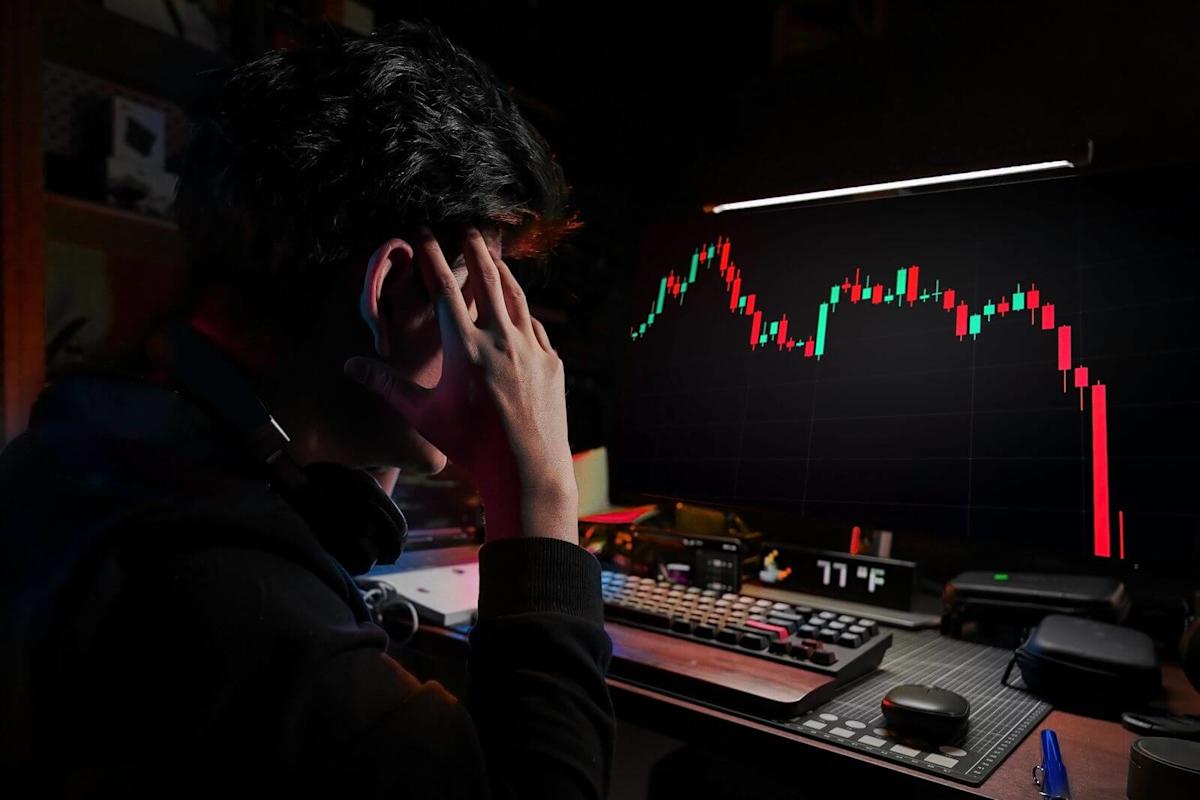
Bill Ackman's Pershing Square USA (PSUS) closed-end fund opened for trading on the New York Stock Exchange significantly below its $50 initial public offering price. The shares traded at a discount of approximately 14.4% to their net asset value, marking a rocky debut for the high-profile venture. Ackman has since offered an explanation for the immediate post-listing decline, attributing the selloff to technical selling pressure.
In a statement, Ackman suggested that the pressure stemmed from retail investors who allegedly overcommitted to the offering. He posited that these investors received their share allocations but subsequently lacked the necessary cash to pay for them, forcing immediate sales. Ackman clarified in a post on X that he was not blaming retail investors but rather explaining what he believes occurred regarding this technical overhang. He maintains confidence that the discount is temporary and expects the share price to recover once the situation clears.
However, market data casts doubt on the extent of retail participation in the offering. Reports indicate that institutional investors accounted for more than 80% of the capital raised, with Ackman and his firm committing approximately $500 million personally. This heavy institutional involvement suggests that retail investors represented only a fraction of the demand, raising questions about whether they could be the primary driver of the weak debut.
Ackman admitted to a strategic shift in his allocation approach, noting that he made a mistake by favouring retail investors over institutions, a strategy he described as almost never done. He acknowledged that the fund's weak start was partly due to retail investors lacking an understanding of how to invest in IPOs. Despite this admission, Ackman remains optimistic, stating that once the technical overhang is gone, he believes the fund will trade at a premium or at least at its net asset value.
The broader context of the closed-end fund structure complicates the immediate price action. Unlike mutual funds, these vehicles issue a fixed number of shares that trade on an exchange, meaning their market price can diverge significantly from their underlying asset value. Morningstar data shows an average monthly discount of 4.9% for US closed-end funds over the past 20 years, while Matisse Capital reports nearly 90% of such funds are currently trading below net asset value.
The IPO itself raised $5 billion, which sits at the low end of the targeted $5 billion to $10 billion range, suggesting potentially lukewarm overall demand. Pershing Square USA is intended to hold a portfolio of 12 to 15 large-cap North American stocks, mirroring Ackman's European fund with positions in companies such as Alphabet, Amazon, and Meta. While Ackman expects the shares to rebound to $50 or higher, the structural nature of the fund means the discount may persist until sufficient buying pressure emerges in the secondary market.