Perplexity CEO identifies energy efficiency as key to AI market dominance
The statement underscores a shifting focus in the tech sector towards operational efficiency and user-centric metrics as competition intensifies.
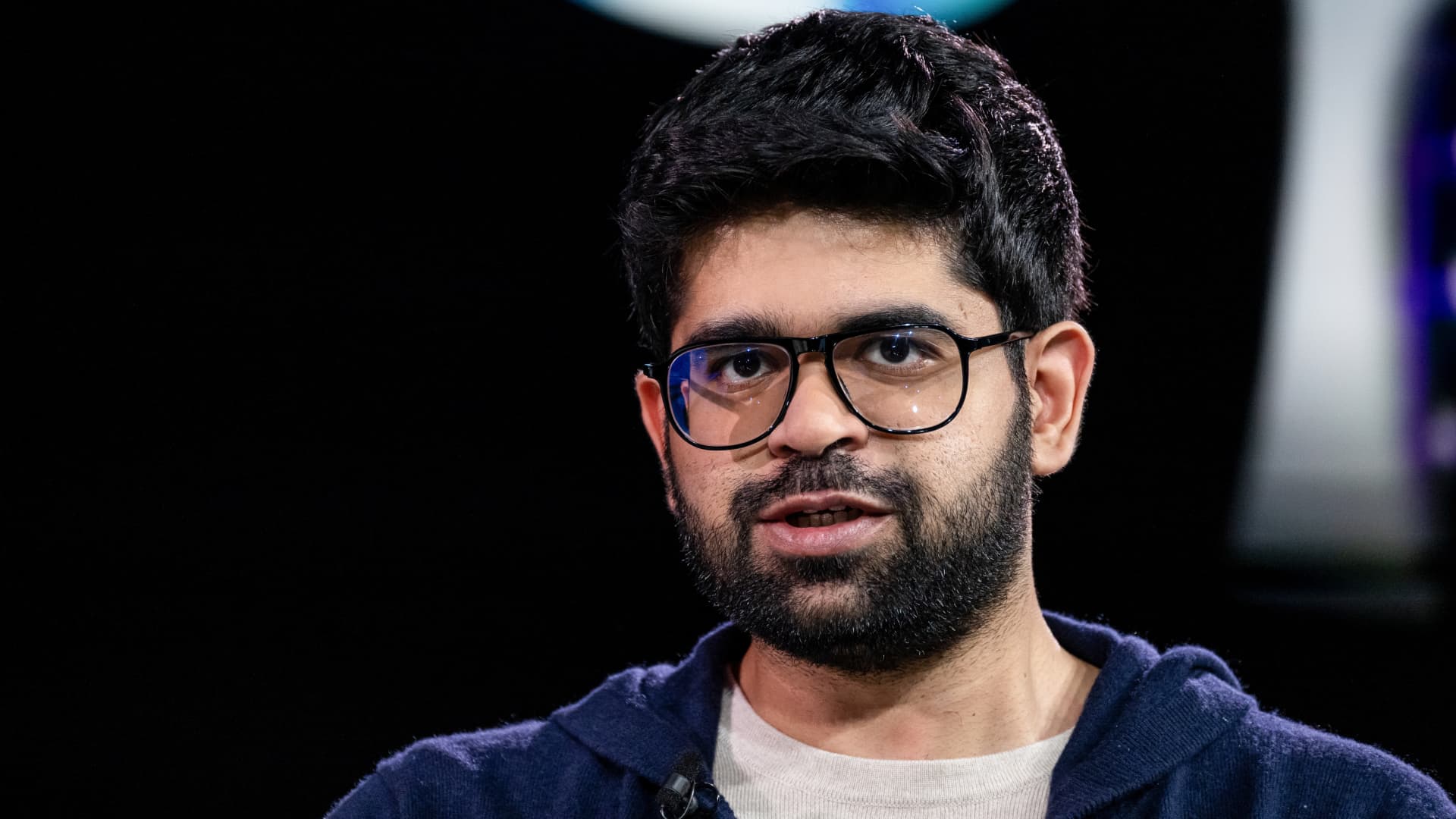
Perplexity chief executive Aravind Srinivas has identified a specific operational metric as the decisive factor for future success in the artificial intelligence sector. Speaking to CNBC, Srinivas stated that the company capable of delivering the "most taken value per watt per user" will emerge as the victor in the ongoing AI race.
This assertion highlights a growing industry emphasis on energy efficiency and the tangible utility provided to consumers. As the artificial intelligence landscape matures, the ability to scale services while managing significant power consumption and hardware costs is becoming a critical differentiator for market leaders.
The comment comes at a time when major technology firms are navigating complex geopolitical and economic headwinds. High-level summits in Beijing, attended by US executives including Jensen Huang, have placed artificial intelligence and trade relations at the centre of global economic discussions, reflecting the sector's broader strategic importance.
While Srinivas’s definition of "taken value" is not a standard industry benchmark, it signals a potential pivot in how investors and operators might evaluate the sustainability of AI business models. The focus appears to be moving beyond raw computational power towards a more nuanced assessment of efficiency and user engagement.
The statement adds to the narrative surrounding the high costs associated with training and deploying large language models. As companies compete for dominance, those that can optimise their energy usage while maintaining high levels of user value may hold a distinct competitive advantage in the long term.