Perception gap widens as UK voters reject falling migration data
With new government statistics due Thursday, research highlights how visceral imagery and political rhetoric continue to drive public anxiety over immigration, overshadowing statistical declines.
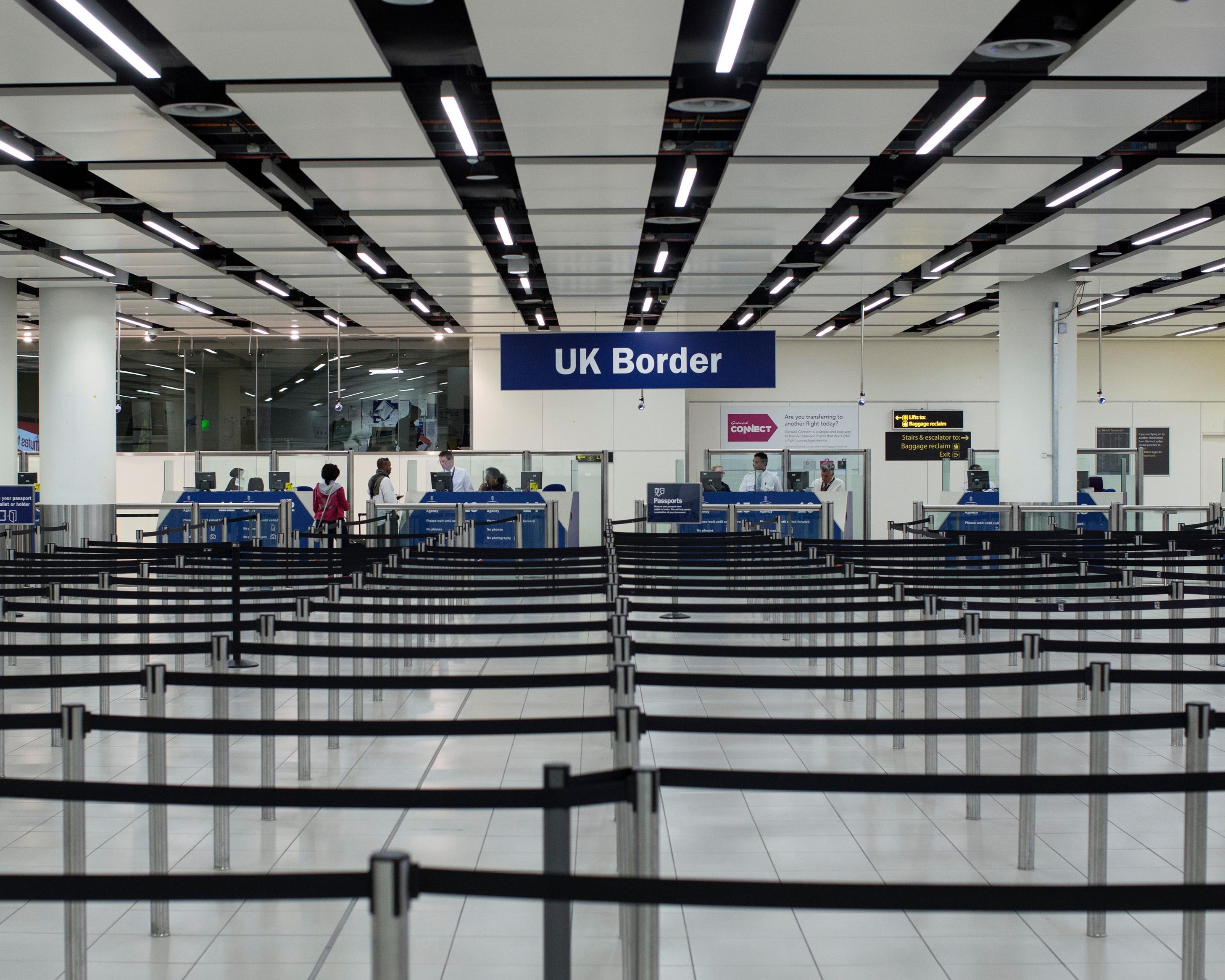
A significant divergence between official statistics and public sentiment regarding UK net migration has been exposed by new research from British Future, published ahead of the release of fresh government data. While official figures indicate net migration fell to 204,000 in the year to June 2025, down from a peak of 944,000 in March 2023, the study reveals that 67% of voters with sceptical views on immigration believe numbers are increasing.
The research, which surveyed 3,003 adults across Great Britain at the end of March, utilised data from Number Cruncher Politics to map these misconceptions. It found that six in ten people who wish to see immigration reduced also believe numbers are still rising. Only 15% of respondents expect net migration to be lower in the coming year, suggesting that the statistical decline has yet to shift public confidence in the government’s ability to control borders.
Misconceptions regarding the composition of migration flows are widespread. Voters mistakenly estimate that asylum seekers account for 33% of immigration, whereas the actual figure is approximately 9%. Similarly, the public believes students make up 24% of migration, when they actually account for just over half. These distortions persist despite the government highlighting a 69% drop in net migration to its lowest annual level since 2021.
Political responses to the data remain focused on reduction targets rather than management of the current decline. Home Secretary Shabana Mahmood acknowledged the drop but emphasised the pressure on local communities, while Shadow Home Secretary Chris Philp argued the government needs to go much further. Reform UK leader Nigel Farage has claimed the decrease is largely due to British emigration rather than a fall in overseas arrivals, maintaining a narrative of crisis despite the data.
Sophie Stowers of More in Common suggested that the disconnect is driven by visceral imagery of small boat arrivals and asylum hotels, which elicits a stronger response than abstract statistics. British Future director Sunder Katwala noted that the political debate remains polarised around how to bring numbers down, rather than discussing how to manage the pressures and gains of migration. As the 2029 general election approaches, immigration remains a key concern across Labour, Conservative, and Reform UK parties.