Pentone signs major AI contracts for classified work as Musk v. Altman trial proceeds
While a landmark legal battle unfolds between Elon Musk and Sam Altman regarding OpenAI's corporate structure, the Department of Defence has formalised its strategy to integrate artificial intelligence into sensitive military operations.
The US Department of Defence has officially struck deals with four major artificial intelligence providers to secure capabilities for classified military operations. The contracts involve Microsoft, Nvidia, Amazon Web Services, and Reflection AI. This strategic move represents a significant shift in how the military intends to utilise advanced technology, with officials aiming to establish the US armed forces as an "AI-first" entity.
These agreements detail specific methodologies for how the selected firms will train their models on sensitive data. The announcement of these partnerships reportedly leaves competitor Anthropic increasingly isolated within the sector. Concurrently, the Department of Defence has been secretly testing OpenAI models for years, indicating a complex and evolving relationship between the military and private technology firms long before these public contracts were signed.
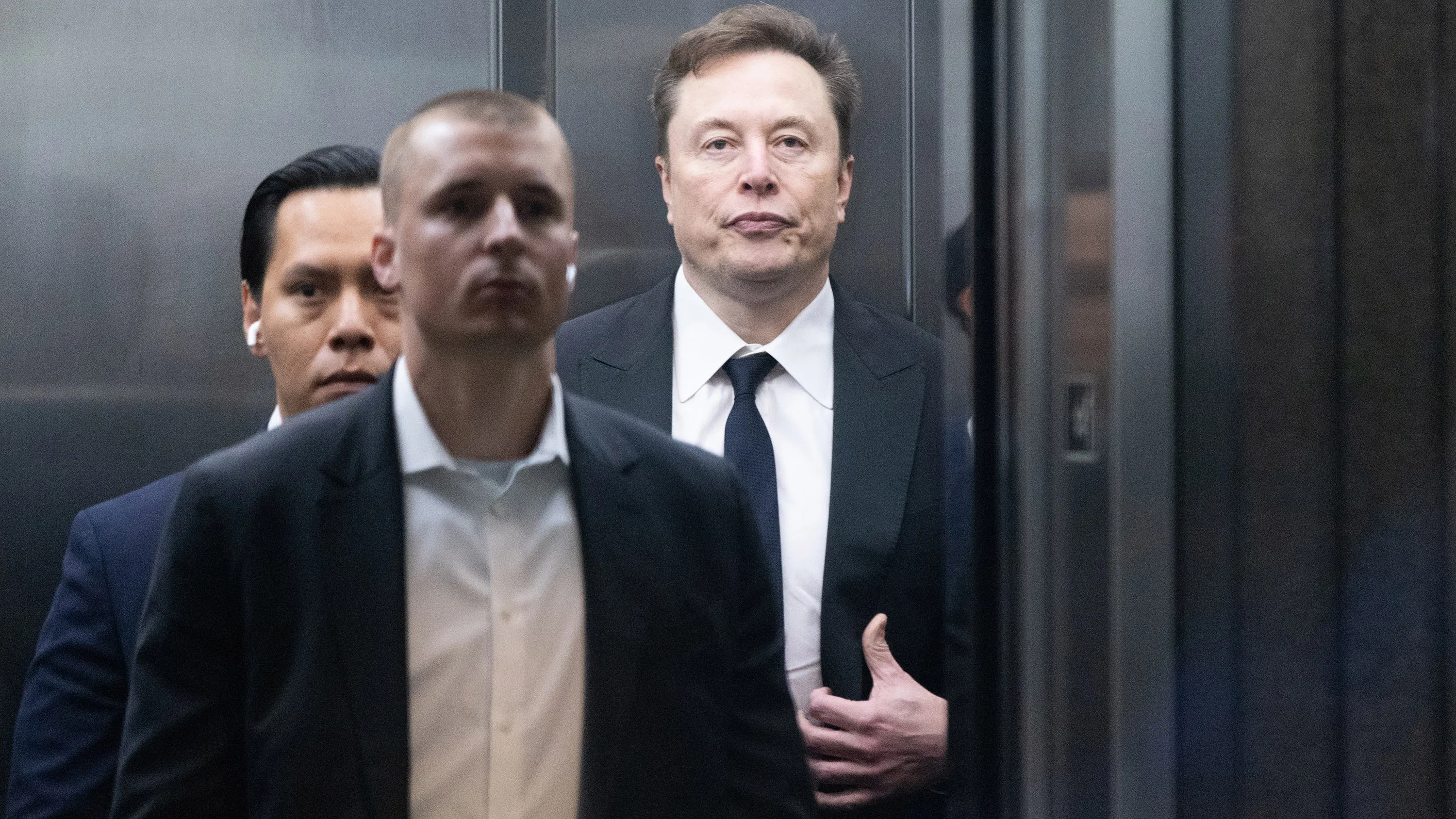
In a separate but related development, Elon Musk and Sam Altman are engaged in a landmark legal trial. Musk alleges he was misled regarding OpenAI's transition to a for-profit company. The proceedings have drawn significant attention, with reports suggesting Musk texted a warning to OpenAI president Greg Brockman two days before the courtroom battle commenced. The outcome of this trial could significantly impact OpenAI's governance and future operations.
The broader landscape of artificial intelligence is also seeing shifts in regulation and application. The White House is currently vetting AI models prior to public release and may form a new working group to oversee development. Meanwhile, a Chinese court has ruled that firms cannot terminate employees solely to replace them with AI, setting a precedent that contrasts with the aggressive adoption strategies seen in the US military sector.
Beyond military and legal developments, the technology sector continues to see varied outcomes. Nature has retracted a paper claiming ChatGPT's educational benefits due to discrepancies and a lack of confidence in the findings. Elsewhere, Peter Thiel is backing a $140 million investment in wave-powered data center technology, while Ask Jeeves has ceased operations after nearly 30 years.
The convergence of these events highlights the rapid pace of change in the artificial intelligence industry. As the Pentagon formalises its strategy and legal challenges mount for major players, the implications for global technology regulation and military capability are becoming increasingly clear.
