Pentagon formalises AI partnerships with Nvidia, Microsoft and AWS for classified networks
The agreements authorise AI hardware and models to operate on Impact Level 6 and 7 systems, aiming to reduce task completion times from months to days while diversifying the military's technology stack.
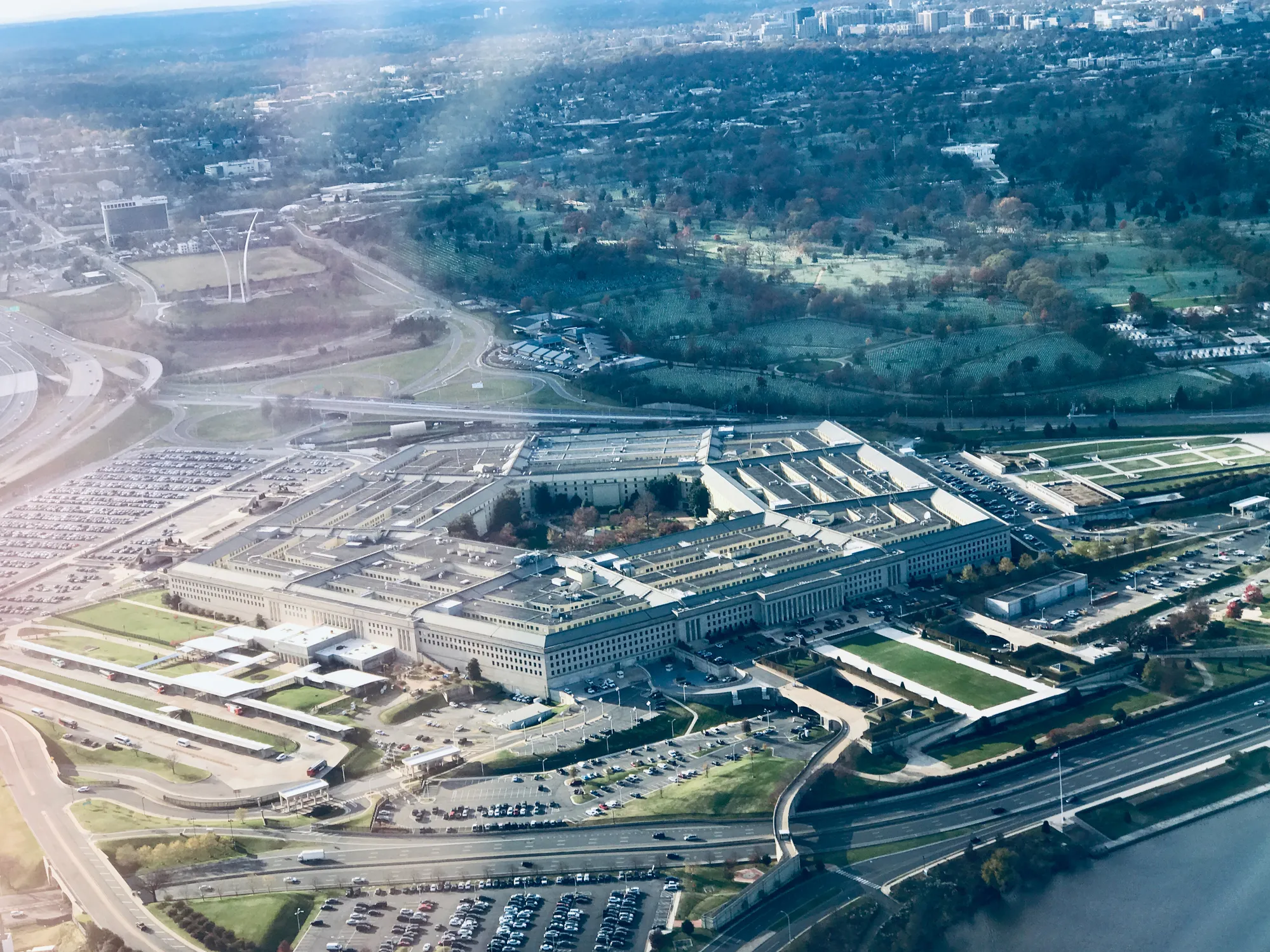
The United States Department of Defense has signed formal agreements with Nvidia, Microsoft, Amazon Web Services, and Reflection AI to deploy their artificial intelligence technology on classified networks for lawful operational use. This strategic move follows a series of earlier deals with Google, SpaceX, and OpenAI, marking a significant expansion of the Pentagon's access to advanced AI capabilities within its secure infrastructure.
The new contracts specifically authorise the operation of AI hardware and models on Impact Level 6 and Impact Level 7 environments. These are high-level security classifications for data and systems critical to national security, requiring strict physical protection, access controls, and audits to safeguard sensitive information. By integrating these technologies into such rigorous environments, the Department aims to streamline data synthesis and elevate situational understanding for warfighters.
Department officials state that these agreements accelerate the transformation toward an AI-first fighting force, strengthening the military's ability to maintain decision superiority across all domains of warfare. The DoD noted that the new tools are designed to reduce task completion times from months to days, allowing personnel to act with greater confidence and speed while safeguarding the nation against emerging threats.
This expansion comes as the Pentagon actively diversifies its vendor portfolio in the wake of a controversial legal dispute with Anthropic regarding usage terms. The disagreement centred on the Pentagon seeking unrestricted use of Anthropic's tools versus the company insisting on guardrails to prevent domestic mass surveillance and autonomous weapons usage. Although Anthropic recently secured an injunction against the Pentagon's attempt to brand the firm a supply chain risk, the new contracts with other major providers proceed independently.
The Department emphasises that its architecture prevents AI vendor lock-in and ensures long-term flexibility within the American technology stack. Access to a diverse suite of AI capabilities from across this resilient stack is intended to give warfighters the necessary tools to operate effectively. The Pentagon maintains that this approach ensures long-term flexibility within its technology stack while continuing to build a secure and robust defence infrastructure.
Previously, more than 1.3 million DoD personnel have utilised the secure enterprise platform, GenAI.mil, primarily for non-classified tasks such as research, document drafting, and data analysis. The new classified network deployments represent a significant step forward, moving beyond these initial applications to integrate AI directly into high-stakes operational environments where it can augment decision-making in real time.
