Pentagon backs Sila with $1.4bn loan to secure US battery supply chain
The loan supports a fivefold expansion of Sila’s Moses Lake facility, aiming to produce enough material for over 100,000 electric vehicles annually as defence contractors seek secure supply chains.
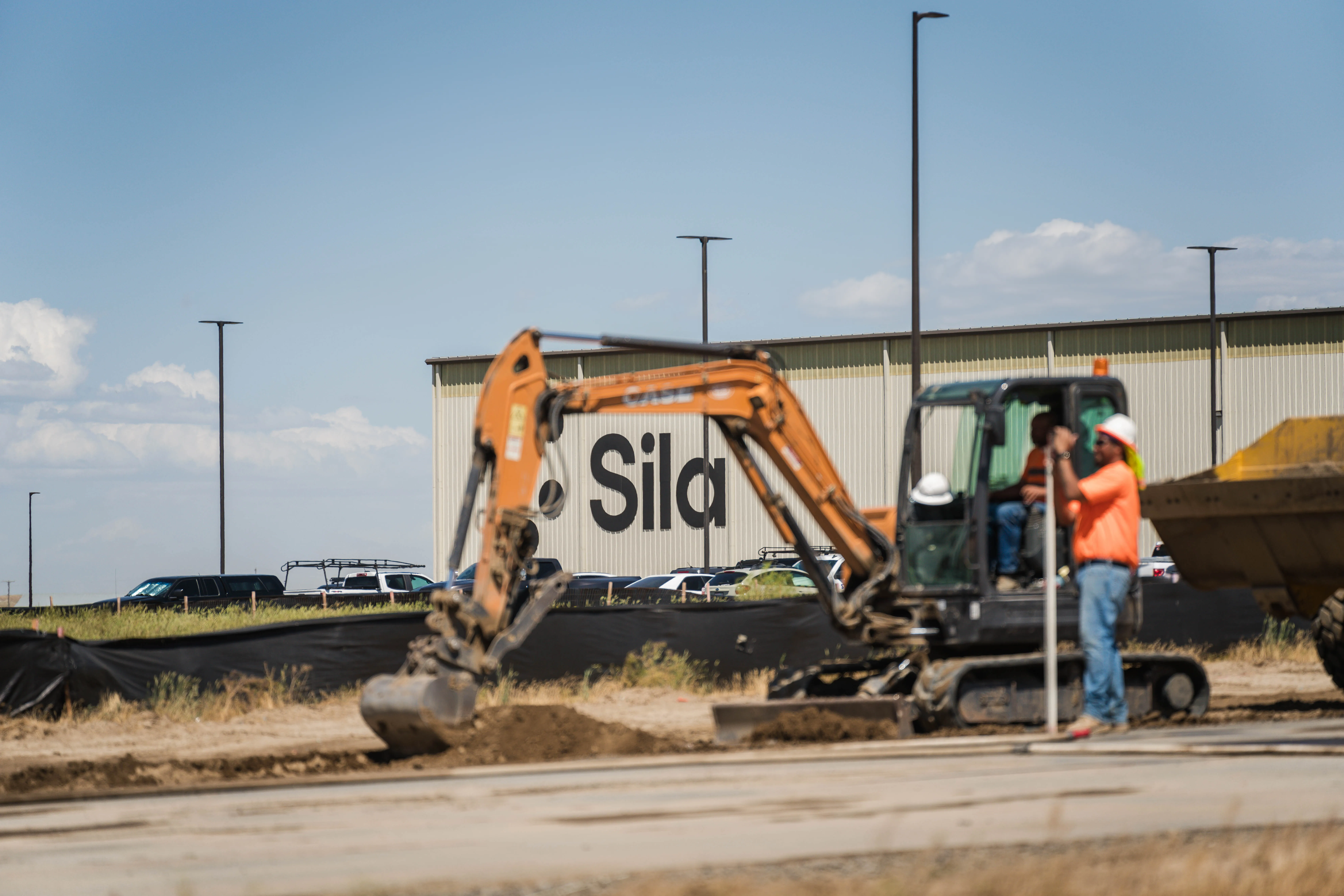
The US Department of Defense has approved a $1.4 billion loan to Sila Nanotechnologies to scale production of its silicon-carbon battery material. The funding facilitates a fivefold expansion of the company’s factory in Moses Lake, Washington, which aims to produce enough anode material for more than 100,000 electric vehicles annually. The announcement coincides with intensified US military efforts to secure domestic battery supplies and reduce dependence on Chinese graphite, which currently dominates the global supply chain for lithium-ion battery anodes.
Sila’s silicon-carbon technology offers an energy density 20% to 40% higher than standard graphite anodes, a characteristic that appeals to both the electric vehicle sector and defence applications such as drones. The Moses Lake facility, which commenced operations in September, currently produces approximately 2 gigawatt-hours of anode material per year. By expanding the site, Sila positions itself as one of the few sources of anode material not encumbered by tariffs or geopolitical tensions associated with Chinese imports.
The loan follows a $300 million funding round in July led by Atreides Management and Sutter Hill Ventures. According to PitchBook, Sila has raised more than $1.5 billion from private investors to date. The company has already secured commercial agreements with Mercedes and Panasonic, further validating its technology ahead of potential defence contracts driven by ongoing conflicts in Iran and Ukraine.
Alongside the investment in Sila, the Department of Defense announced financial support for three other companies to bolster domestic critical mineral and materials production. Australian firm Sunrise Energy Metals received a $400 million loan to mine scandium for lightweight alloys, while Minnesota-based Niron Magnetics secured a $150 million loan to manufacture rare earth-free magnets for smartphones, missiles, and electric motors. Additionally, the government made an $85 million equity investment in Strategic Bauxite to mine a mineral containing aluminium.
Other industry players, including Group14 and Amprius, are also pursuing silicon anode technology. However, Sila’s established manufacturing footprint in Washington State and its existing partnerships provide a distinct advantage in meeting the immediate demand from US battery buyers, ranging from automotive manufacturers to defence contractors seeking to decouple from foreign supply chains.
