Pentagon adds Alibaba and Baidu to Chinese military-linked firm list
The inclusion of major tech conglomerates signals that technology sector tensions persist despite recent diplomatic engagements between Washington and Beijing.
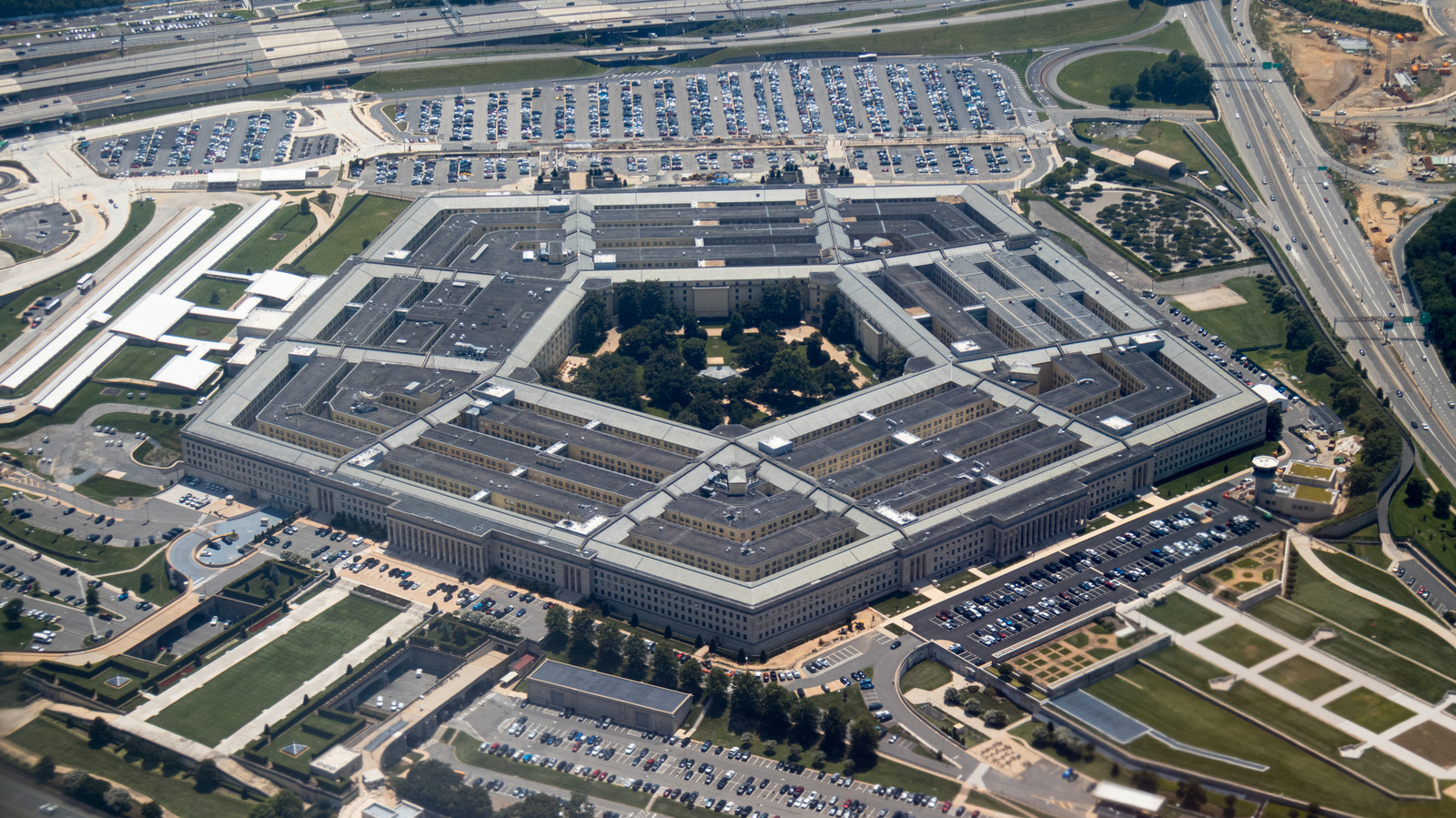
The US Department of Defense has published an updated list of entities linked to the Chinese military, explicitly adding e-commerce giant Alibaba and internet services provider Baidu. This designation prohibits the Pentagon from entering direct contracts with these firms or utilising their products and services via third parties, although it does not amount to formal sanctions. The publication follows a previous iteration of the list that was withdrawn prior to President Trump’s visit to Beijing in May.
The re-release of the list, which also includes Chinese memory chipmakers CXMT and YMTC, indicates that international relations in the technology sector have not thawed despite the meeting between President Trump and Chinese President Xi Jinping. While inclusion on this specific list does not constitute sanctions, it may still lead to a loss of contracts for the companies, as US firms working with the Pentagon might drop them as suppliers to avoid compliance issues.
Concurrently, legislative pressure is mounting in the US, with a bipartisan group of senators urging the Trump administration to tighten restrictions on chip manufacturers. The proposed measures aim to prevent overseas subsidiaries of Chinese firms from ordering custom chips from contract manufacturers like Taiwan Semiconductor Manufacturing Co. (TSMC), seeking to close loopholes in current export controls.
Taiwanese authorities are reportedly considering introducing laws to mirror these US restrictions, potentially prohibiting the sale of high-power AI chips to all Chinese clients, not just those on the Pentagon’s blacklist. This potential move would impact major firms such as Huawei, extending the scope of restrictions beyond the current US-defined entities.
The Defense Department had previously published an updated list in February but removed it before President Trump’s trip to Beijing in May. The current release underscores the ongoing strategic competition in semiconductors and artificial intelligence, with both Washington and Taipei seeking to limit the technological capabilities of Chinese entities.
