Payless Power study reveals $860,000 electricity burden for US World Cup hosts
A Texas-based energy provider projects that seven American host cities will incur combined electricity bills exceeding $860,000 to power 2026 FIFA World Cup matches, with Los Angeles facing the highest per-game expenditure.
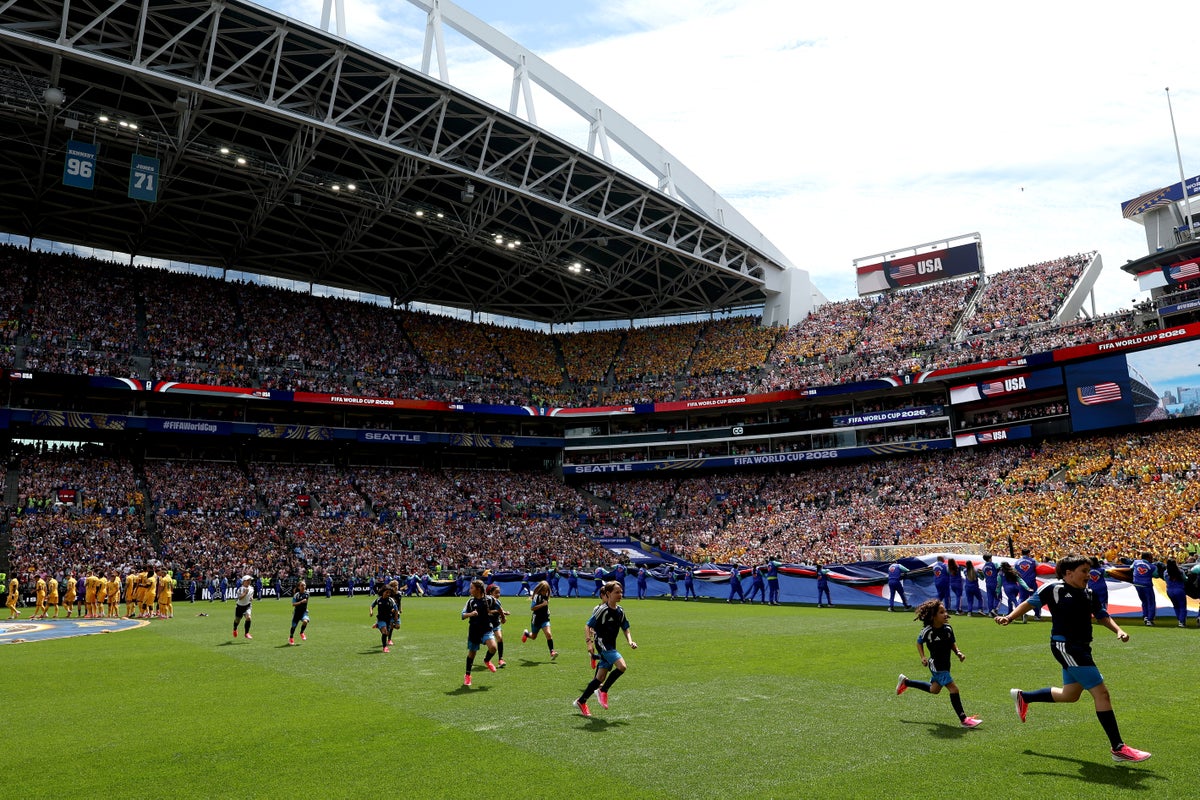
A study commissioned by Texas-based electric company Payless Power projects that seven US host cities for the 2026 World Cup will incur a combined total of more than $860,000 in electricity bills to power stadium matches. The analysis highlights the significant operational costs associated with maintaining large-scale sporting infrastructure, particularly in cities utilising fully or partially enclosed venues.
Los Angeles is predicted to face the highest per-match electricity cost at $19,108, with total costs for its eight scheduled matches reaching $152,864. The report identifies a clear pattern where the type of roof structure significantly influences energy requirements, with enclosed stadiums demanding substantially more power primarily for air conditioning systems compared to open-air venues.
Dallas leads the host cities in total energy consumption, with a projected usage of 99,925 kWh. This volume is sufficient to power approximately 1,035 local homes for one month. Houston follows as the second-highest energy user at 97,344 kWh, capable of powering 785 homes for a month, while Atlanta ranks third with 96,020 kWh, enough to keep the lights on for 884 local homes.
Beyond the top three, the study details per-match cost projections for five other cities. San Francisco is expected to incur $16,432 per match, followed by New York/New Jersey at $13,179, Boston at $12,367, and Atlanta at $11,839. Seattle is projected to have the lowest total electricity costs among the studied cities, with six matches estimated to cost $38,106.
These energy expenditures align with broader financial trends characterising the tournament, including elevated ticket and concession prices. Knockout-stage tickets have surged to over $2,800, a tenfold increase from May prices, while food and beverage costs remain high, with items such as $75 caviar-topped hash browns in Miami and $34 lobster rolls in Kansas City.