Pawn shop activity hits record levels as consumer finances deteriorate
With 55% of Americans reporting worsening financial conditions, employed households are increasingly turning to short-term secured loans to cover rising living costs.
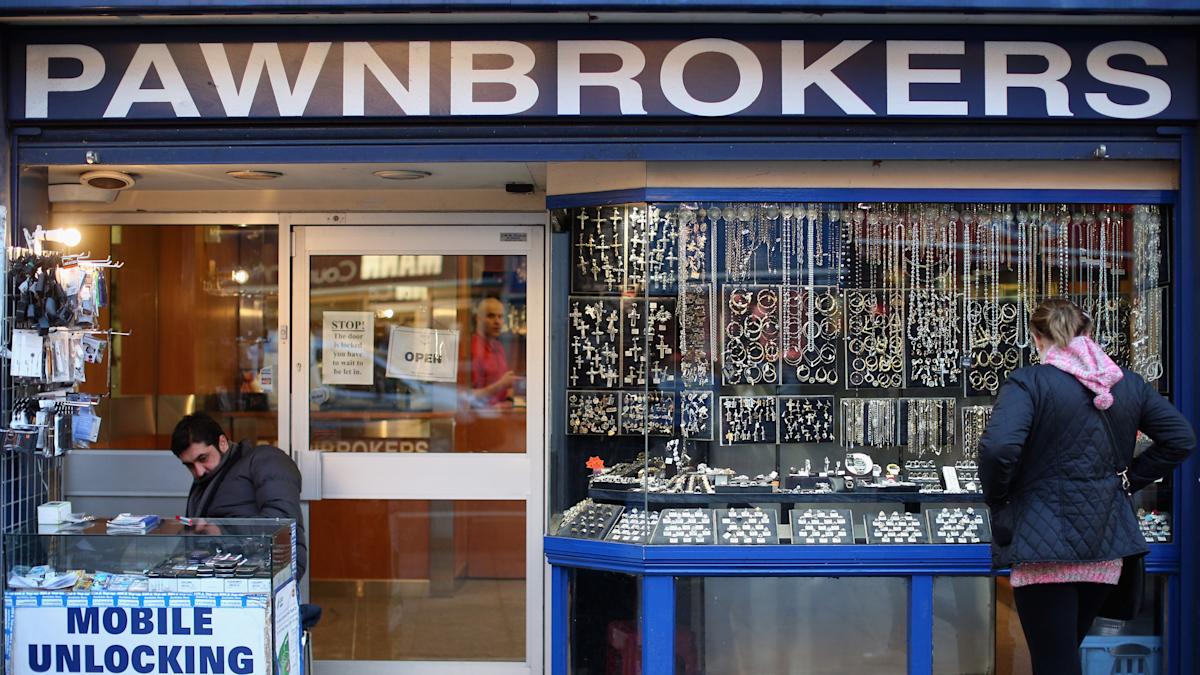
Pawn shops across the United States are witnessing a surge in activity, marking the highest level of demand since polling data began tracking consumer sentiment in 2001. This uptick coincides with a Gallup survey revealing that 55% of Americans now feel their financial situation is deteriorating, a proportion driven primarily by concerns over inflation, energy prices, housing costs, and healthcare.
Despite record highs in major equity indices, including the S&P 500 and Nasdaq Composite, many employed consumers are bypassing traditional credit avenues to access short-term loans. At Empire Loan in Stoughton, CEO Michael Goldstein notes a distinct demographic shift away from high-net-worth individuals. Instead, the clientele now consists largely of suburban residents and women who are using personal items, such as jewellery, as collateral to secure liquidity rather than selling assets outright.
Industry experts describe this trend as a critical early warning sign of a fragile consumer economy. Goldstein, who has spent four decades in the sector, observes that customers are typically not unemployed but are struggling to manage cash flow as expenses outpace income. Approximately 90% of patrons at Empire Loan are retaining their collateral to cover essential household costs, including childcare, transportation, and utilities, rather than liquidating their belongings permanently.
The financial pressure on households is underscored by rising energy costs, with national average gas prices reaching $4.18 per gallon, the highest level since the start of the war in Iran. These real-world price increases contrast sharply with the bullish sentiment expressed by government officials and market commentators who cite rising stock valuations as proof of a robust economy. While the S&P 500 recently closed at a record 7,173.91, the average consumer is not benefiting from these gains and is instead forced to liquidate personal assets to maintain basic living standards.
Historically, the pawn shop industry has served as a "canary in the coal mine," reacting quickly to shifts in consumer behaviour before broader economic data reflects them. As the global pawn shop market is projected to grow significantly over the coming decade, the current surge highlights a growing reliance on short-term fixes. Financial experts suggest that the absence of a sufficient emergency fund, typically recommended as three to six months of essential expenses, leaves many households vulnerable to such financial stress.
The divergence between market performance and household reality has created a palpable disconnect. While President Trump and other officials point to the stock market rally as evidence of economic health, the reality on Main Street involves families pawning heirlooms to survive rising costs. This reliance on pawn shops suggests that the consumer economy is becoming more fragile, with households increasingly dependent on short-term loans to bridge the gap between income and essential expenditures.