Patina secures $2 million to build AI-driven ‘universal code’ for scent
Founded by Sean Raspet and Laura Sisson, Patina utilises machine learning to replicate scent receptors, aiming to create a Pantone-like reference system for smell and taste while reducing reliance on natural extraction.
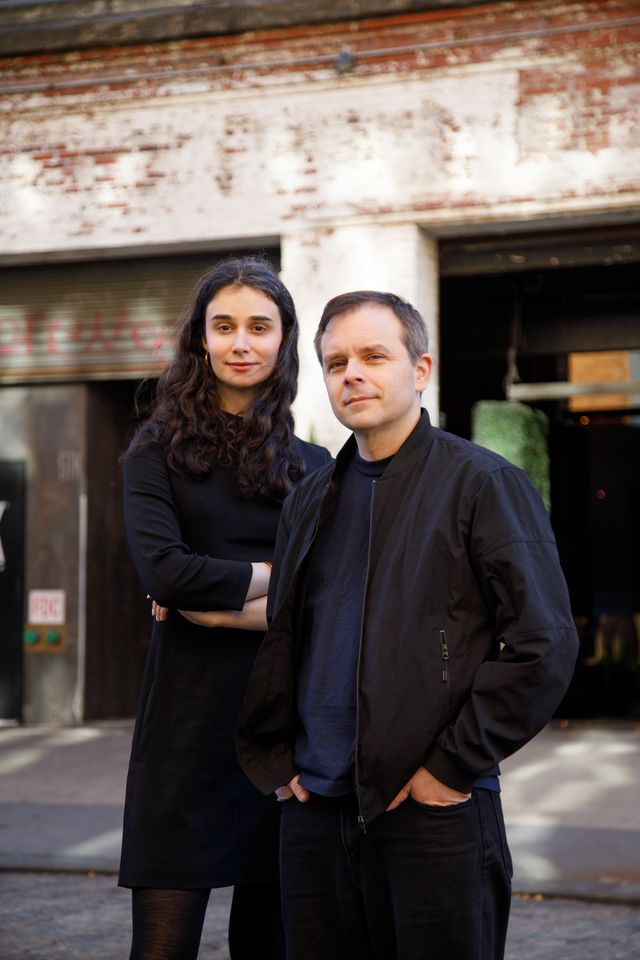
Fragrance technology startup Patina has secured $2 million in funding from investors including Betaworks and True Ventures. The company, founded in 2024 by Sean Raspet and Laura Sisson, utilises machine learning and molecular design to create new scent molecules, aiming to disrupt a traditional industry with limited innovation. The funding supports the development of their 'Sense1' model, which seeks to establish a universal code for smell and taste, and facilitates expansion into a Brooklyn office for further research and partnerships.
Patina was founded in 2024 after founders Raspet and Sisson met at a scent art gallery in New York. The company is working on replicating the smell of rose oil at a biological level to create synthetic alternatives that are less carbon-intensive and consume less water and petrochemicals than plant extraction. Patina aims to create a "Pantone for scent" – a universal reference system for primary scent molecules.
The startup is currently in talks with top fragrance houses and fashion brands to create custom scents. Patina’s AI models are being used to predict human-skin reactions, potentially phasing out animal testing in the industry. The company has moved into a new office in Bushwick, Brooklyn, with a small group of chemists.
The fragrance industry has seen little innovation in the past half century, with scent molecules largely created by a small number of specialised labs. Current scent description methods rely on imprecise terms like "floral" or "woody", leading to inconsistencies across regions and languages. Only fragrance molecules can be patented, not the formulas themselves, which benefits large fragrance houses that can afford extensive lab development.
Natural ingredients like rose oil are becoming harder to produce and more expensive due to supply-chain pressures. Competitors in the space include startups like Osmo and legacy giants Givaudan and Symrise. AI is transforming the scent industry by making the development of custom scent ingredients cheaper and faster, allowing smaller companies to compete with larger incumbents.
