Partey denied entry to Canada for Ghana’s World Cup opener
FIFA confirmed the administrative decision, clarifying that immigration adjudication remains the sole prerogative of host nations. The 32-year-old is currently awaiting trial in Spain on serious criminal charges.
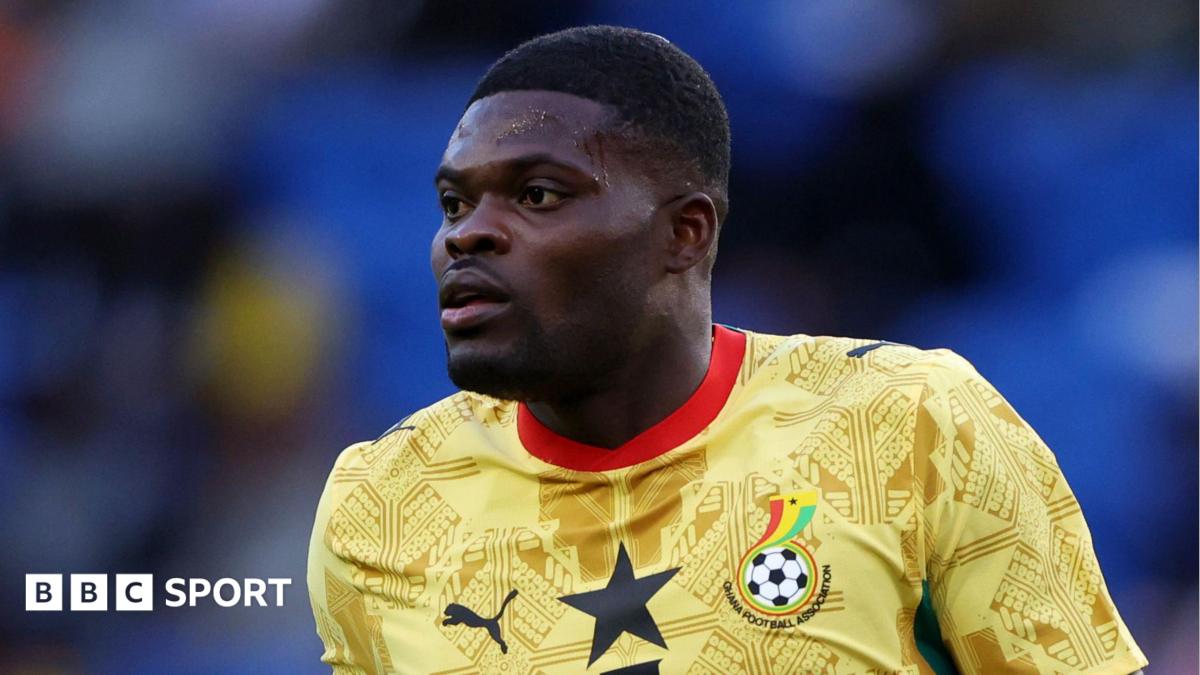
Ghana midfielder Thomas Partey has been denied entry to Canada by the Canadian government and will miss his nation's first World Cup 2026 match against Panama in Toronto. FIFA confirmed that Partey's visa application was refused, preventing him from travelling from Ghana's training base in Boston. The decision effectively removes the 32-year-old from the squad for the opening fixture, marking a significant administrative hurdle for the African side ahead of the tournament.
Partey is currently awaiting trial in Spain after pleading not guilty to seven charges of rape and one count of sexual assault. The allegations, which involve four different women, relate to incidents between 2020 and 2022. While Partey has not been convicted of any crimes, the Canadian government's immigration rules state that individuals who have committed or been convicted of a crime may not be allowed entry. The refusal appears to be an administrative immigration decision based on these general rules regarding criminal history, rather than a formal legal judgment on his guilt.
In a statement, FIFA confirmed the former Arsenal player, who is now with Spanish side Villarreal, will be unable to travel after his visa application was refused. The world football governing body clarified that it is not involved in the immigration processes of host countries, including the adjudication of visas. FIFA emphasised that the host government ultimately determines who receives a visa and is admitted into the country, distancing itself from the legal and administrative complexities of national border control.
Ghana head coach Carlos Queiroz stated he had no qualms about selecting Partey for the tournament prior to the visa refusal. Queiroz defended the decision to include the midfielder in the squad, noting that Partey's presence with the team was sufficient justification. "If the player is here with me, my answer is clear," Queiroz said. "I don't have any comments about my own decisions. He is here so what are we talking about?"
Queiroz further remarked that the matter was not for him or the public to judge, suggesting that the legal process should run its course. "Let the events run their normal course; let the river flow and one day when the river meets the ocean we are going to find the truth," he said. The coach's stance highlights the separation between sporting selection and legal proceedings, although the visa refusal has now removed Partey from the immediate competitive landscape in Canada.
The incident occurs against a backdrop of political tensions affecting other teams, such as the Iranian national team establishing its base in Mexico due to suggestions from the Trump administration regarding their participation. While Partey's case is distinct in its focus on individual criminal allegations rather than state-level diplomatic friction, it underscores the complex intersection of sport, law, and immigration policy in global tournaments.
Partey, who previously played for Atletico Madrid and Arsenal, is selected for his second World Cup appearance. The outcome of his trial in Spain remains unknown as he is currently awaiting trial. The specific reasons for the Canadian government's refusal are not detailed beyond the general rules regarding criminal history, leaving the precise administrative rationale within the scope of Canadian immigration law rather than sporting regulations.