Ozzy Osbourne AI avatar sparks debate over digital legacy and commercial ethics
Announced at the Licensing Expo in Las Vegas, the project aims to deploy lifesized avatars on touchscreens in the US and UK, asserting that the late rocker’s father had discussed such digital preservation concepts before his death.
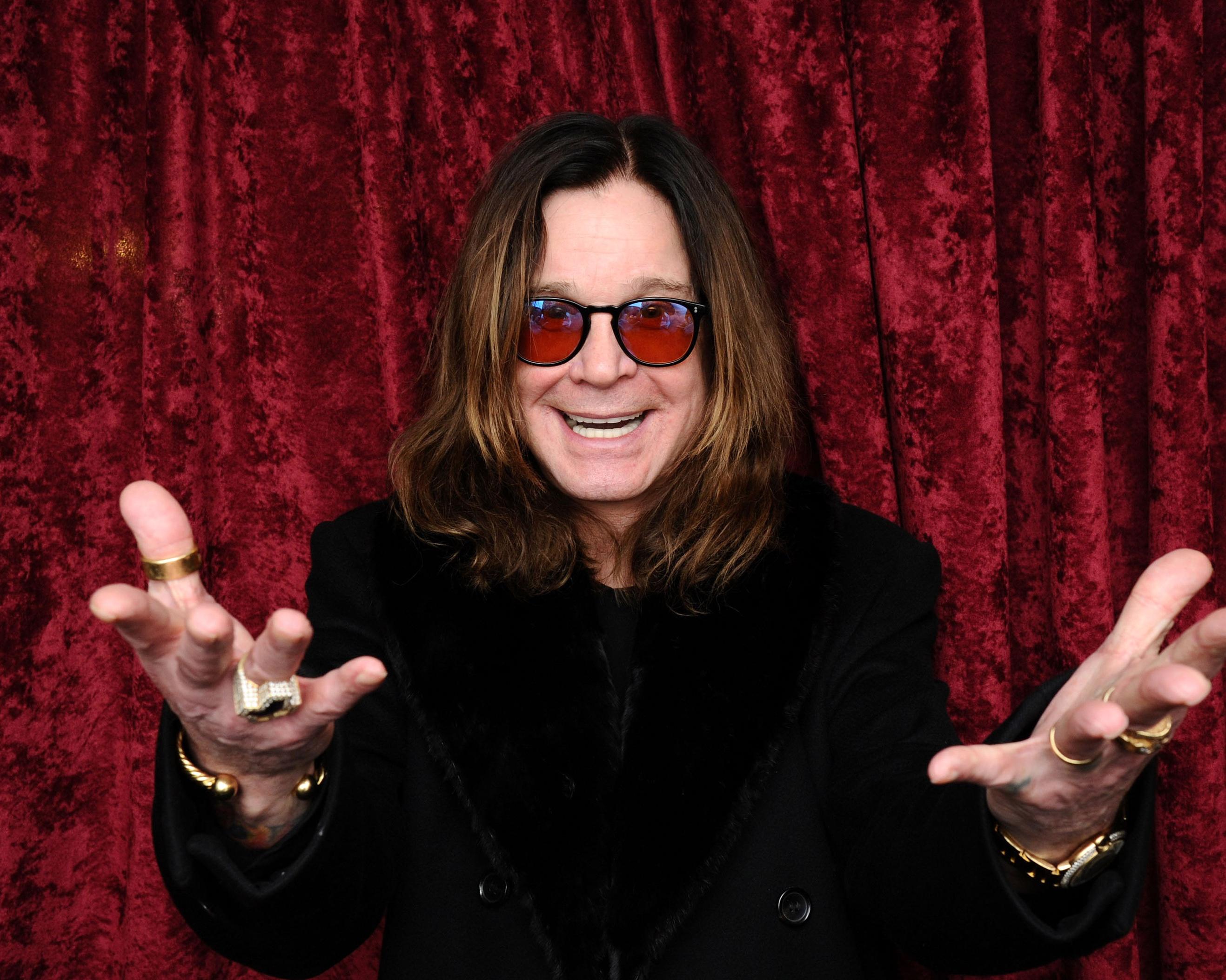
Jack Osbourne and his wife Sharon have announced the creation of a lifesized AI avatar of their late father, Ozzy Osbourne, marking a significant intersection of music heritage and emerging technology. The project was unveiled on 20 May at the Licensing Expo in Las Vegas, where the couple revealed a partnership with technology firms Hyperreal and Proto Hologram. The initiative seeks to preserve the former Black Sabbath frontman’s presence through interactive digital touchscreens scheduled for deployment in undisclosed locations across the US and UK later this year.
Ozzy Osbourne died in July 2025 at the age of 76. In the year since his passing, the family has moved to formalise his digital legacy, with Jack recently naming his newborn daughter Ozzy in honour of his father. The avatar is designed to move, speak, and respond in conversation with fans, utilising what the family describes as high-level technology that goes beyond simple image rendering. Jack Osbourne told the audience at the expo that the technology is now sophisticated enough to allow for precise digital prompting, stating that the avatar would exist digitally for as long as computers endure.
Sharon Osbourne drew parallels to the enduring global recognition of Elvis Presley, expressing a desire for Ozzy to achieve similar longevity. Hyperreal CEO Remington Scott confirmed that the avatar was built exclusively from authenticated, consented, and controlled source material provided by the family. Scott emphasised that the project is a living performance rather than a static rendering, relying on willingly given material to ensure the digital likeness remains true to the musician’s persona.
The announcement has triggered a backlash from fans who view the commercialisation of Osbourne’s likeness as disrespectful. Critics have speculated that using the image in advertising or interactive formats may contradict the artist’s known preferences, pointing to past controversies such as the cancelled 2018 touring hologram of Amy Winehouse, which was halted due to sensitivities regarding her dislike of touring. Other musicians, including Tupac Shakur, Roy Orbison, Maria Callas, and Michael Jackson, have previously been recreated as holograms or avatars, establishing a precedent that remains culturally contested.
In response to the criticism, Jack Osbourne defended the initiative during a YouTube livestream, asserting that the project would be tasteful and distinct from lower-quality digital gimmicks. He claimed that he and his father had discussed similar digital legacy ideas before Ozzy’s death, suggesting the late rocker would have been supportive of the concept. While the specific locations for the touchscreens remain undisclosed, the project represents a bold step into the monetisation of digital immortality, balancing technological capability with the ethical complexities of posthumous representation.