Orpheus Ocean submersibles map Pacific floor as military AI tools raise new defence concerns
The dual deployment of deep-sea mapping technology and advanced artificial intelligence for military strategy highlights growing debates over environmental impact and algorithmic transparency
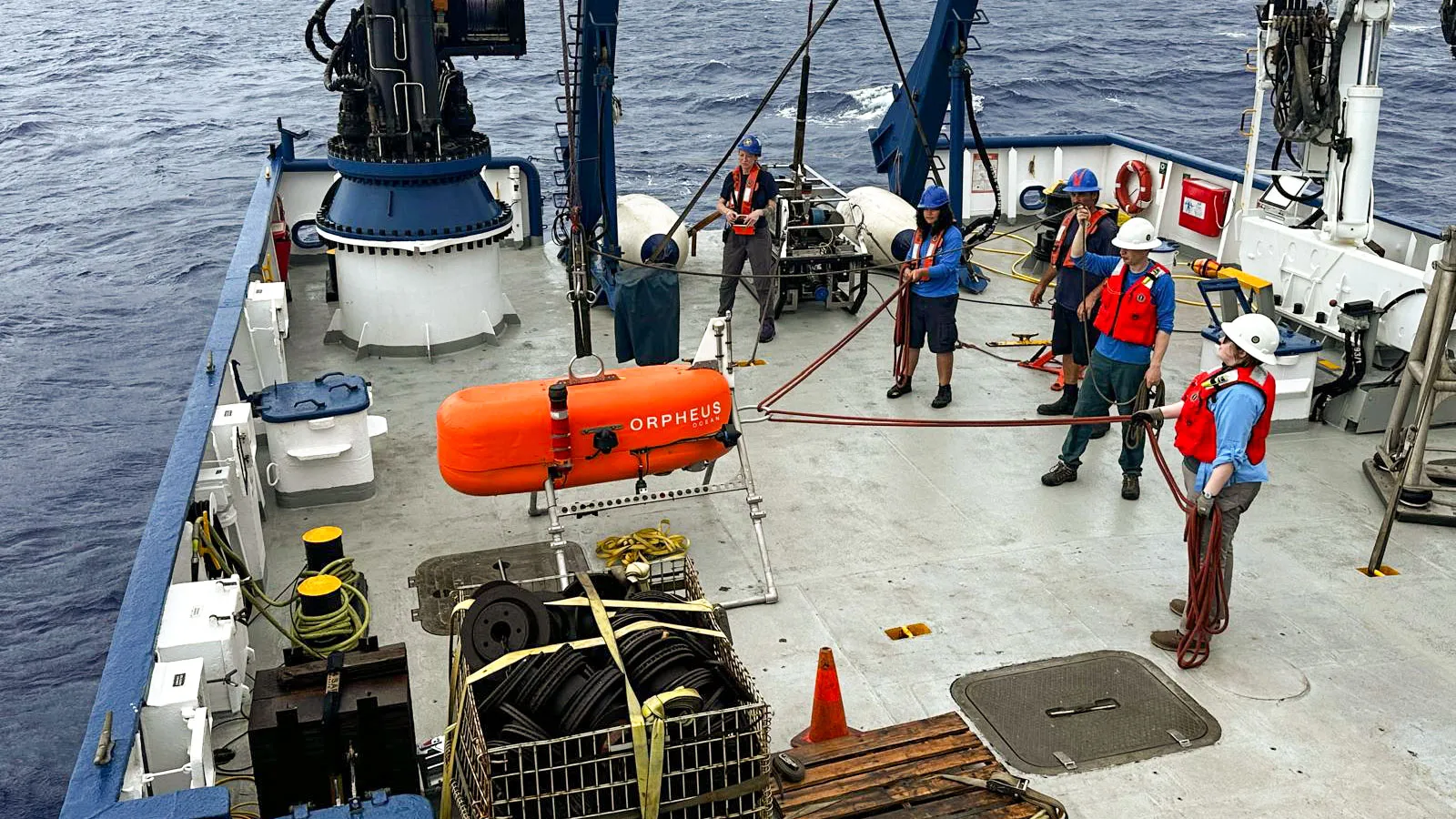
Two oblong, neon-coloured submersibles constructed by Orpheus Ocean have descended nearly 6,000 metres into the Pacific Ocean. The mission aims to map the seafloor in search of critical mineral deposits, a task the vehicles are designed to perform at a fraction of the cost of existing systems. This initiative seeks to aid deep-sea science in an ocean environment that remains vastly understudied.
While the primary intent is scientific, the deployment has attracted significant attention from deep-sea mining companies. This commercial interest has raised immediate concerns regarding the potential environmental impact of mining activities in the region. The tension between advancing scientific knowledge and the prospect of resource extraction underscores the complex nature of deep-sea exploration.
Concurrent with these oceanic developments, a new category of conversational AI tools has entered military command centres. Personnel in the United States and China are increasingly turning to these systems not merely for data analysis, but for strategic advice on strikes. One US defence official indicated that commanders might utilise these engines to review lists of potential targets and determine which should be prioritised for action.
The integration of such technology into defence operations has sparked serious worries among observers. Specific concerns include the potential for AI-generated errors in high-stakes scenarios, a lack of transparency regarding how decisions are reached, and the influence of Big Tech firms over critical defence information. As these systems gain traction, the geopolitical implications of relying on commercial algorithms for military strategy continue to grow.
The broader context of these events reflects an ongoing competition for computing power and artificial intelligence capabilities between major global powers. State-backed investments and corporate strategies are driving rapid advancements, yet questions remain about the regulation and oversight of these powerful tools as they move from research labs into practical application.
Separate environmental concerns have also emerged in the technology sector, with researchers noting a dramatic increase in synthetic turf installation in the United States. Despite industry claims of safety, the surge in plastic usage from 2001 to 2024 has prompted alarm among those studying microplastics and pollution, adding another layer to the complex relationship between technological innovation and ecological health.
