Oppenheimer initiates SpaceX coverage with $190 target ahead of Nasdaq debut
The firm values the rocket maker at $2.5 trillion, citing a vertically integrated AI strategy, though it warns of thermal management hurdles and a tight free float.
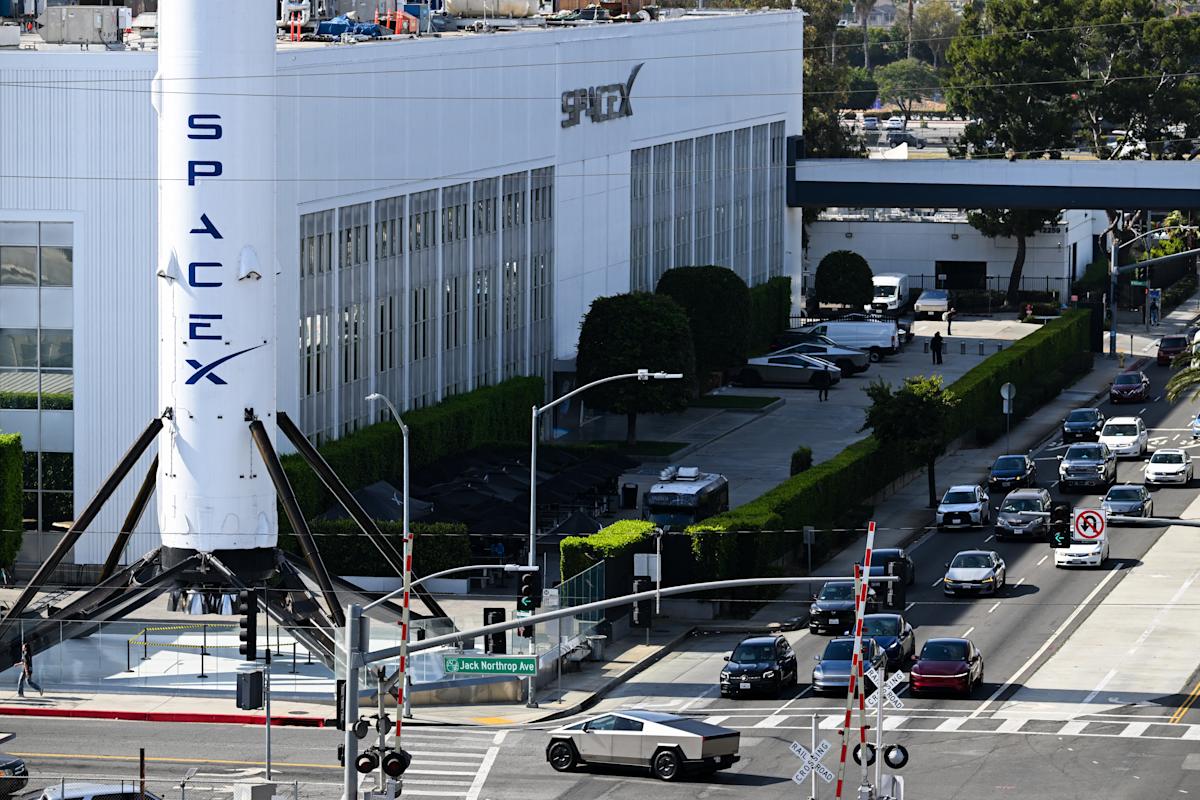
Oppenheimer initiated coverage of SpaceX on Thursday with an Outperform rating and a $190 price target, one day before the company begins trading on the Nasdaq under the ticker SPCX. The analyst’s target implies approximately 40 per cent upside from the $135 initial public offering price, valuing the firm at $2.5 trillion. This stands in contrast to the post-IPO market valuation of approximately $1.77 trillion, where shares opened at $150 and rose 27 per cent to $172 in early trading on Friday.
Analyst Timothy Horan described SpaceX as the only vertically integrated artificial intelligence company possessing the necessary capital, data, large language models, hardware, manufacturing, and engineering talent. The firm projects a total addressable market of $10 trillion by 2035, driven by a strategy to converge communications and cloud computing via space-based infrastructure. Horan outlined a scenario requiring 10,000 Starship launches per year to deploy one million orbital data centres and 100,000 communications satellites supporting a terawatt of manufactured chips.
In the near term, SpaceX has secured over $26 billion in annualised data centre capacity deals in the past month, including agreements with Anthropic and Google. However, Oppenheimer noted that these terrestrial compute deals carry 90-day termination clauses and have faced criticism regarding circular financing concerns. The firm expects growth to accelerate in 2027 as Starship enters commercial service, but warned that the rocket must enter service before year-end for its estimates to hold.
The analyst highlighted significant risks, including the unproven nature of space-based data centre technology. Horan stated that thermal management of chips in space within four years appears challenging, although terrestrial facilities like Colossus could serve as a backup. Additional risks include regulatory hurdles, execution challenges, and key-man dependency on CEO Elon Musk. At more than 100 times trailing revenue, the stock is considered expensive by Oppenheimer’s standards.
Oppenheimer also flagged the company’s small free float of roughly 4.3 per cent as a source of potential volatility. The firm anticipates an initial demand-supply imbalance driven by retail interest and accelerated index inclusion, likely resulting in shares trading up initially. While historically small-float IPOs have shown strong 12-month runs, Oppenheimer cautioned that there is no assurance investors can buy at the $135 offer price, noting that shares price after Thursday’s close but are expected to remain at that level until trading begins on Friday.