OpenAI updates ChatGPT to refuse prompts mimicking famous authors' styles
The change follows reports from Ars Technica and Engadget, with OpenAI continuing to offer original content that retains stylistic qualities to mitigate ongoing legal risks.
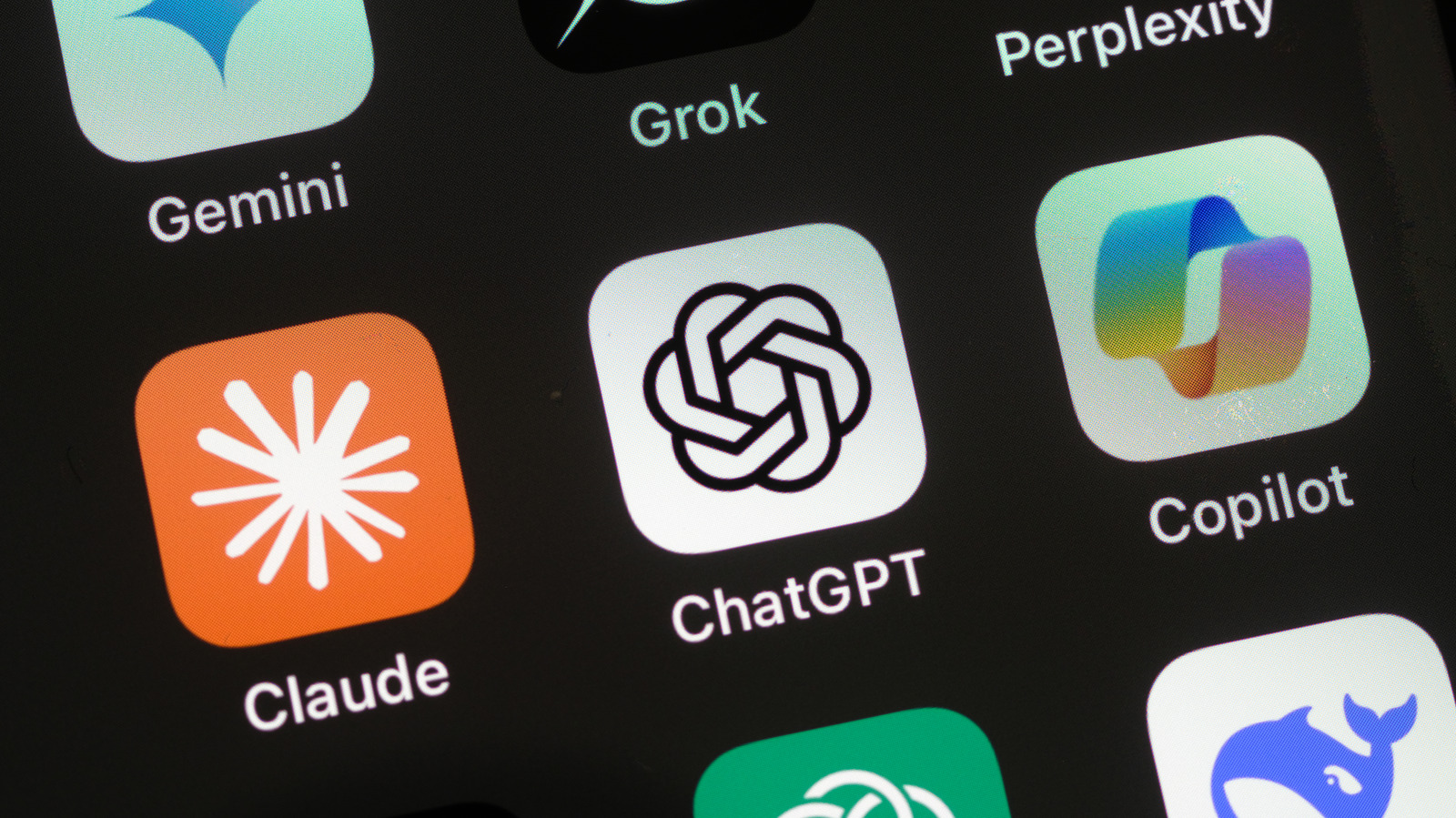
OpenAI has implemented a significant update to ChatGPT, instructing the model to refuse user prompts that request text written in the style of famous authors. The adjustment affects both living and deceased writers, marking a notable shift in how the artificial intelligence platform handles creative imitation requests. This development follows recent reports from Ars Technica and Engadget, which highlighted instances where the chatbot declined to mimic specific authors' writing styles.
Testing conducted by Engadget confirmed the consistency of these observations. When prompted to write a mystery story in the style of Agatha Christie, the chatbot refused the request, stating that Christie's works remain under copyright and it could not provide text that closely imitates her distinctive style. This represents a change from previous behaviour, as a study by the publication No Latency indicated that ChatGPT had not previously refused such requests for deceased authors.
Despite the refusal to directly imitate, the model continues to offer an alternative approach. In the same interaction, ChatGPT stated it could write something with the characteristics associated with the requested author while remaining original. This nuance suggests the refusal may function more as a disclaimer than a hard technical block, allowing the AI to generate content that retains stylistic qualities without crossing into direct imitation.
The timing of this policy update appears strategic, coming amidst a backdrop of multiple copyright lawsuits facing OpenAI regarding the training of its AI models. By citing copyright restrictions and offering original content instead, the company appears to be taking measures to mitigate legal risks and avoid further litigation. The distinction between imitating a style and mimicking stylistic qualities remains nuanced, potentially leading to varied user experiences.
It remains unclear whether this refusal applies uniformly to all famous authors or if specific thresholds determine which styles trigger a block. The exact internal criteria OpenAI uses to identify these authors have not been publicly detailed. However, the move signals a broader effort by the company to navigate the complex legal landscape surrounding intellectual property and AI-generated content.
