OpenAI to submit AI models for US government review under scaled-back executive order
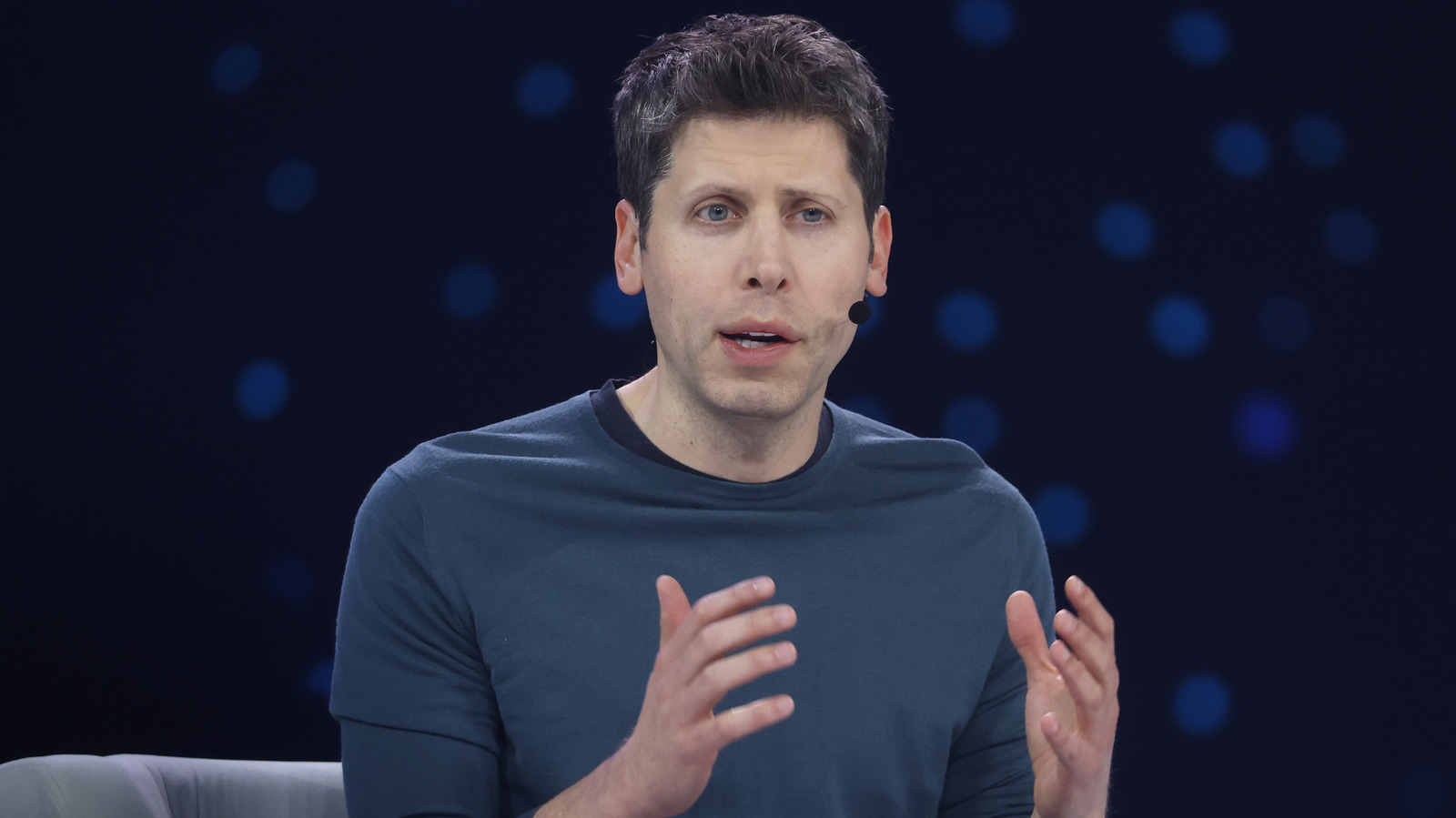
OpenAI announced it will allow US regulators to assess its artificial intelligence models prior to public release, complying with President Donald Trump’s revised executive order. The move follows industry pressure that shortened the assessment window and shifted the mandate from a requirement to a request.
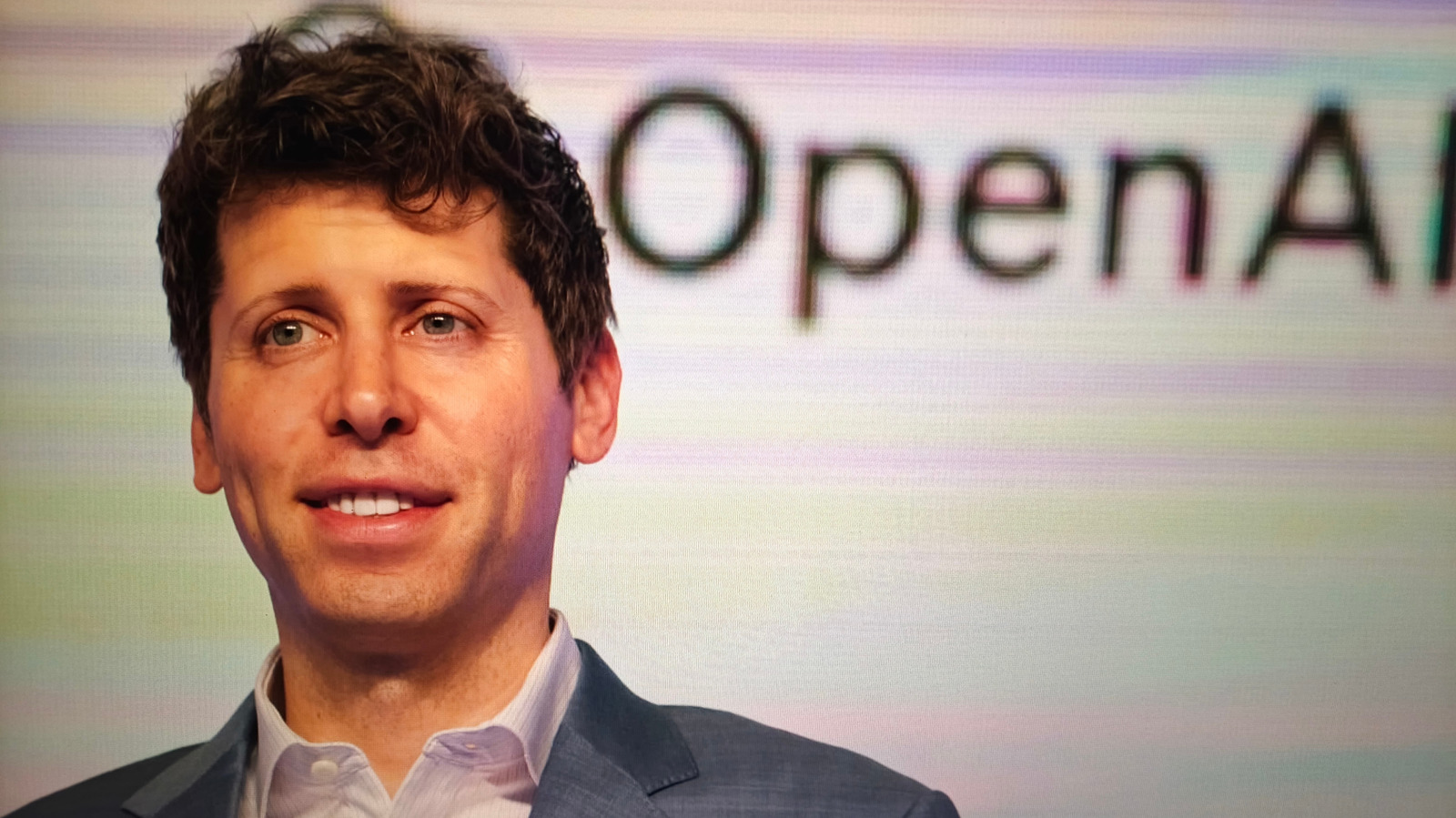
OpenAI has confirmed it will comply with President Donald Trump’s voluntary executive order by permitting US regulators to review its artificial intelligence models before they are released to the public. The company stated it would submit its models for an assessment of their capabilities, a move that aligns with a scaled-back regulatory framework shaped by significant industry pressure.
The original executive order, which required companies to submit models 90 days prior to public release, was reportedly delayed and watered down after warnings from prominent tech insiders. David Sacks and Elon Musk cautioned that the initial proposal could create a chilling effect on innovation. In response, the administration reduced the review period to 30 days and shifted the language from a mandatory order to a request for participation in a benchmarking process.
George Osborne, OpenAI’s head of countries, told CNBC that it is quite right for democratic governments to have a significant role in how this technology is used and deployed. He suggested that regulators should establish powerful bodies but with substantial flexibility regarding how they operate in the future. This stance positions OpenAI as engaging constructively with the new policy environment, which aims to balance industry concerns with public safety.
Under the revised framework, the government will assess advanced cyber capabilities of AI models to determine if they should be designated as covered frontier models. Such a designation could restrict the distribution and sale of specific models. The order was drafted in consultation with various stakeholders, including major technology executives who attended the recent summit in Beijing with President Trump and Chinese President Xi Jinping.
The policy has drawn sharp criticism from some lawmakers who argue it fails to provide adequate oversight. Representative Don Beyer, who co-leads an AI-focused lawmaker group, described the policy as underwhelming. He stated that the approach mirrors the Trump administration’s broader pattern of creating a wild west environment for AI development, leaving dangerous models insufficiently policed.
The announcement comes as US stock markets rise amid the ongoing summit, with Nvidia shares surging more than 2% following US approval of a chip sale. OpenAI’s compliance marks a significant step in the intersection of technology policy and executive regulation, as reported by CNBC on 5 June 2026. It remains unclear how many other AI firms will participate in the voluntary benchmarking process given the mixed reactions from the industry.
The specific criteria for designating a model as a covered frontier model and the subsequent limitations on distribution are not detailed in the source material. The legal standing and enforceability of the final request versus the original order distinction remains a point of contention among observers.