OpenAI sheds $1 billion Cursor deal to distance itself from Elon Musk
The AI giant is winding down a lucrative partnership with the coding startup after its acquisition by SpaceX, citing contract concerns as it prepares for a public listing.
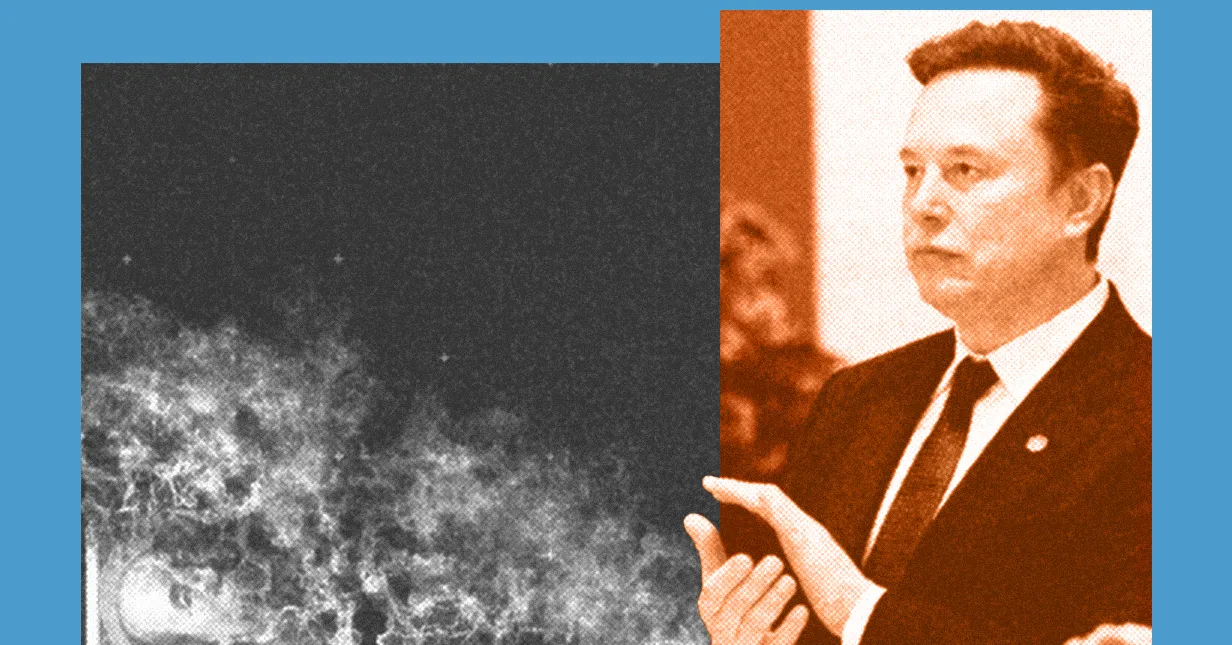
OpenAI has announced it is winding down its partnership with AI coding startup Cursor, a move driven by concerns over the company’s new owner, SpaceX. The decision follows the acquisition of Cursor by Elon Musk’s SpaceX in a $60 billion deal, prompting OpenAI to sever ties with a customer it estimated would generate more than $1 billion in annualised revenue.
According to a late-night blog post, OpenAI stated it could not be confident that SpaceX would use its technology within existing terms of service. The company cited its experience with Musk’s other ventures violating contracts as the primary reason for the split. This strategic retreat allows OpenAI to avoid heavy reliance on a customer whose ownership structure introduces significant legal and commercial uncertainty.
The financial stakes are high, as Cursor was one of OpenAI’s top five customers by revenue at the start of 2026. Internal estimates suggested the partnership would contribute over $1 billion annually by spring 2026. While OpenAI reportedly generates more than $40 billion in annualised revenue across various business lines, including subscriptions and its own coding tool Codex, the loss of Cursor represents a notable concession to avoid association with Musk.
The timing of the split is critical as OpenAI prepares for an initial public offering next year. Investors are seeking a stable business model that does not depend on the goodwill of a single, high-profile figure. However, the company acknowledged that ending the partnership risks damaging its standing with developers, a community it has spent years cultivating. Cutting off a major channel for accessing OpenAI’s models could have long-term implications for its developer ecosystem.
Cursor founder Michael Truell, who is now leading teams at SpaceX, disputed the significance of the loss. He claimed on social media that OpenAI’s models serve only about 5% of Cursor user traffic. OpenAI’s head of core products, Thibault Sottiaux, quickly countered that token usage is not a proxy for revenue or value created, challenging Truell to provide the data behind his estimate.
The relationship between the two firms has been complex, with OpenAI’s startup fund participating in Cursor’s 2023 seed round. The companies have operated as both partners and competitors for over a year, particularly as OpenAI develops its own AI coding tool, Codex. The tension was further highlighted when Musk alleged in a lawsuit deposition that xAI, now part of SpaceX, used OpenAI’s models to train its own, a suit that was later dismissed by a federal jury.
Despite the split, Cursor is not left without third-party support. Anthropic cofounder Tom Brown confirmed that his company will continue to make Claude models available in Cursor. This move may be influenced by Anthropic’s dependence on SpaceX for $45 billion worth of data centre capacity, suggesting that the dynamics of the AI market remain deeply intertwined with infrastructure and corporate alliances.