OpenAI replaces ChatGPT voice mode with full-duplex GPT-Live
The release of GPT-Live aims to eliminate conversational awkwardness by enabling natural interruptions and background processing, available across Android, iOS, and web platforms.
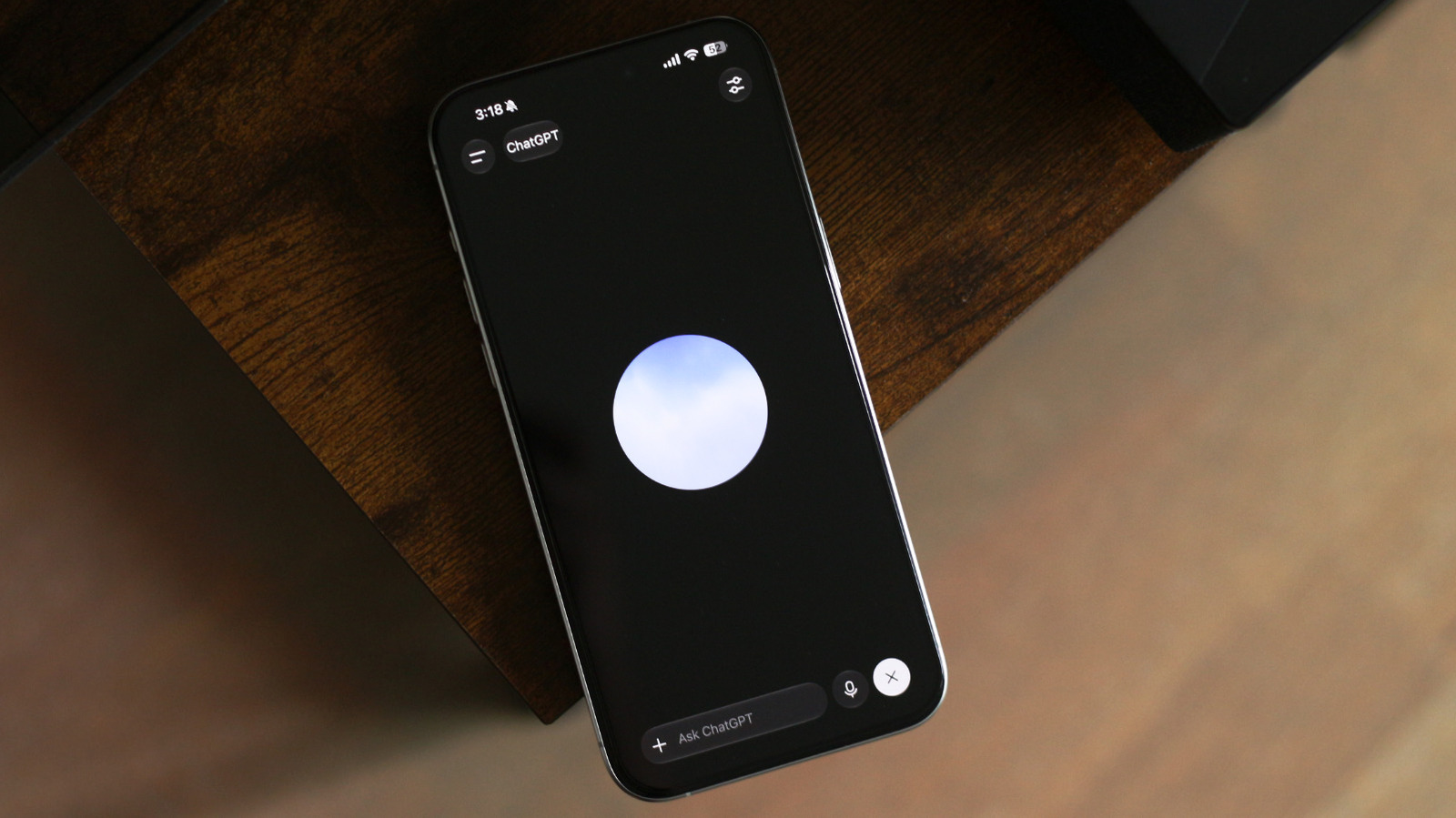
OpenAI has officially released GPT-Live, a new voice model for ChatGPT that utilises a full-duplex architecture to allow simultaneous listening and speaking. This update replaces the previous Advanced Voice Mode as the default option, aiming to reduce conversational awkwardness by enabling natural interruptions and acknowledgments. The model is available on Android, iOS, and web platforms, with GPT-Live-1 accessible to Pro, Plus, and Go subscribers, and the lighter GPT-Live-1 mini model for free users.
Previous iterations of ChatGPT’s voice capabilities relied on separate systems for speech-to-text, language generation, and text-to-speech, or a single multimodal model in the case of Advanced Voice Mode. These earlier versions often suffered from turn-taking issues, where brief pauses were mistaken for the end of a user's turn, causing the AI to reply prematurely. GPT-Live addresses this by allowing the system to listen and speak at the same time, vocalising short acknowledgements such as "mhmm" or "yeah" while the user is speaking.
The GPT-Live voice model is accessed via a waveform symbol icon at the far right of the text box in the ChatGPT app. Users can adjust the intelligence level of the voice model to Instant, Medium, or High via settings, though this customization is not available on the free GPT-Live-1 mini model. The feature remains active even if the user switches apps or locks their device, ensuring continuity during mobile use.
GPT-Live can offload complex tasks requiring reasoning or research to other models, such as GPT-5.5, in the background. If a question requires a visual answer, ChatGPT will generate an interactive widget alongside the spoken response. A transcript of the conversation can be revealed by scrolling down during a session, providing a text record of the audio interaction.
While generative AI is not perfect and should not be viewed as an unquestionable source of information, the upgrade represents a significant step in natural language processing for voice interfaces. Users who prefer the older turn-based system can still revert to it through the app settings, selecting a different model under the Voice menu.
