OpenAI launches Daybreak security initiative to automate vulnerability detection and patching
OpenAI has unveiled Daybreak, a dedicated AI initiative designed to identify and remediate software vulnerabilities before malicious actors can exploit them.
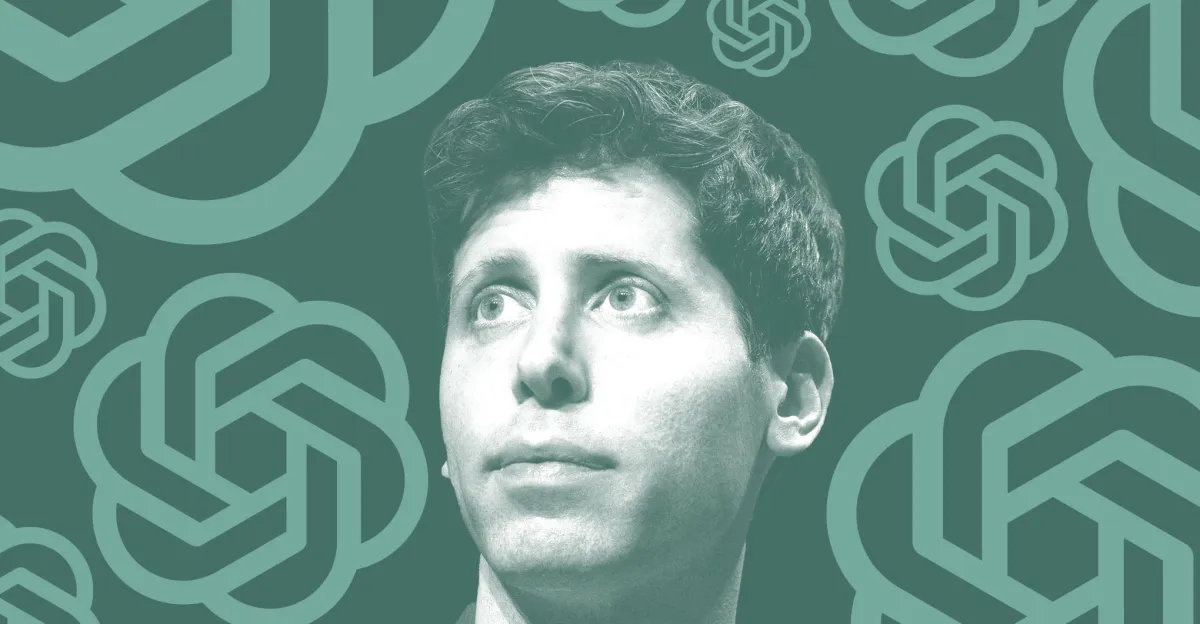
OpenAI has officially released Daybreak, a new initiative engineered to detect and patch software vulnerabilities prior to exploitation. The system represents a significant shift for the company, offering a publicly available security product comparable to recent private-only offerings from competitors. By integrating advanced models, OpenAI aims to address the growing demand for automated cyber defence in an increasingly complex digital landscape.
The core of Daybreak relies on a combination of GPT-5.5-Cyber, specifically the Trusted Access for Cyber variant, and Codex Security. These models work in tandem to generate threat models based on an organisation's code, validate potential risks, and automate the detection of high-priority vulnerabilities. This multi-model approach allows the system to focus on possible attack paths and ensure that critical security flaws are identified and addressed efficiently.
This launch occurs just over a month after rival firm Anthropic announced Claude Mythos, a security-focused AI model restricted to private partners under its Project Glasswing initiative. While Anthropic claimed the model was too dangerous for public release, reports emerged that at least a few unauthorised parties managed to gain access to it. OpenAI's move to deploy Daybreak publicly fills a gap in its portfolio, positioning the company as a direct competitor in the realm of AI-driven security solutions.
Unlike the restricted distribution of Claude Mythos, Daybreak is designed for broader industry adoption. OpenAI states it is collaborating with industry and government partners while preparing to deploy increasingly cyber-capable models. The initiative leverages the Codex Security AI agent, which launched in March, to create comprehensive threat models that validate risks against an organisation's specific codebase.
The development of Daybreak comes amidst a broader evolution in the artificial intelligence sector. It follows the announcement by Thinking Machines, founded by former OpenAI CTO Mira Murati in February 2025, which unveiled real-time interaction models to address human-AI bandwidth limits. While distinct in focus, these developments highlight a concerted industry effort to enhance both the safety and operational capabilities of AI systems.
While the specific efficacy metrics of Daybreak compared to existing manual or automated tools have not yet been disclosed, the initiative signals a new era of automated security. OpenAI emphasises that Daybreak brings together the most capable models available, alongside security partners, to ensure robust protection. As the technology matures, the focus remains on deploying these capabilities to secure critical infrastructure against evolving cyber threats.
