OpenAI launches Codex Micro hardware peripheral in partnership with Work Louder
The square-shaped unit features mechanical switches and a joystick, distinct from the company’s separate, legally contested smart speaker project with Jony Ive.
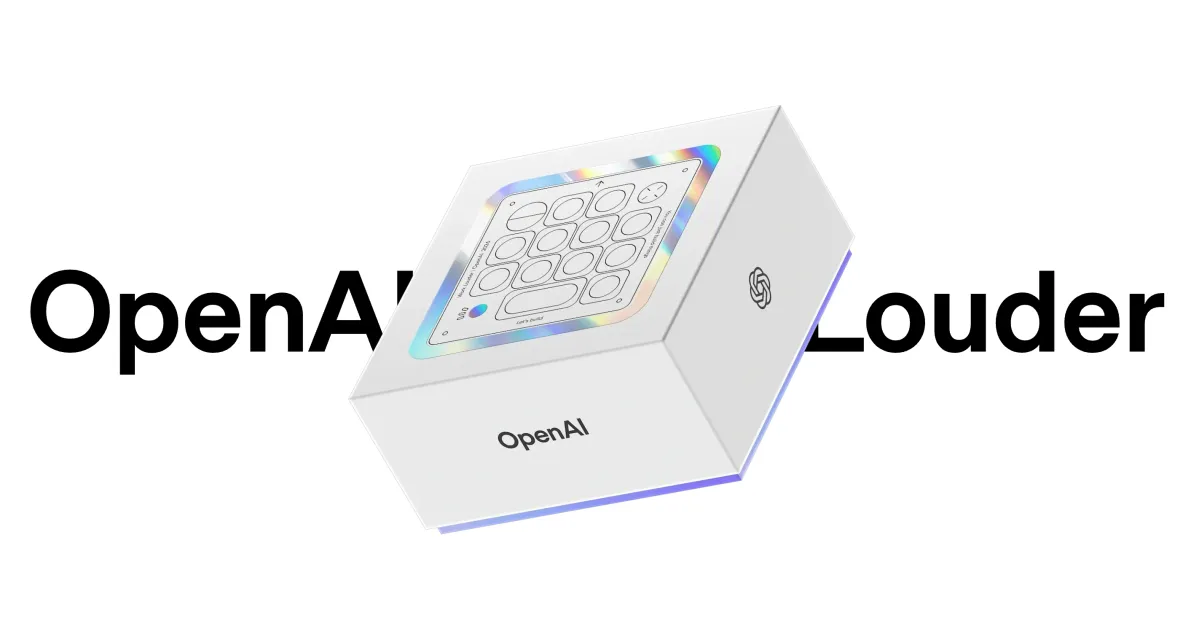
OpenAI has released the Codex Micro, a dedicated hardware peripheral designed to interface with its Codex coding platform. Developed in collaboration with keyboard manufacturer Work Louder, the device is a square-shaped block equipped with 13 mechanical switches, a joystick, a dial, and a touch sensor. The product is marketed as a tool to help users monitor and manage AI agents, with all controls configurable through the ChatGPT desktop application.
Priced at $230, the Codex Micro is available as a limited-run product on Supply Co. OpenAI has not disclosed the exact quantity of units produced for this release. The hardware closely resembles Work Louder’s Creator Micro 2, as well as a similar pad the company produced in collaboration with Figma in 2023.
The device features six frosted keys that provide a live visual status of Codex threads, utilising different colours to indicate whether a task is complete, requires feedback, is running, or has encountered an error. Additional command keys can be assigned to functions such as push-to-talk, accepting or rejecting changes, and sending commands. The unit also includes 32 extra keycaps featuring Codex-specific icons.
Work Louder cofounder Mike Di Genova explained the device’s functionality in a video release, noting that the joystick and dial can be used to initiate workflows and adjust reasoning levels respectively. The hardware is positioned as a specialised input method for the coding platform rather than a general-purpose consumer electronics device.
This launch is distinct from OpenAI’s primary hardware initiative, which is being developed in partnership with former Apple designer Jony Ive. That project is reportedly a smart speaker designed for voice interaction with ChatGPT and is expected to launch next year. The Ive project is currently subject to legal scrutiny following a lawsuit filed by Apple, which accused OpenAI of misappropriating hardware secrets. OpenAI has denied these allegations.
