OpenAI issues explicit ban on mythical creatures and animals in Codex coding instructions
Internal guidelines for the Codex agent now forbid mentions of goblins, raccoons and other entities unless strictly relevant to a query, following reports of unexpected behaviour in OpenClaw
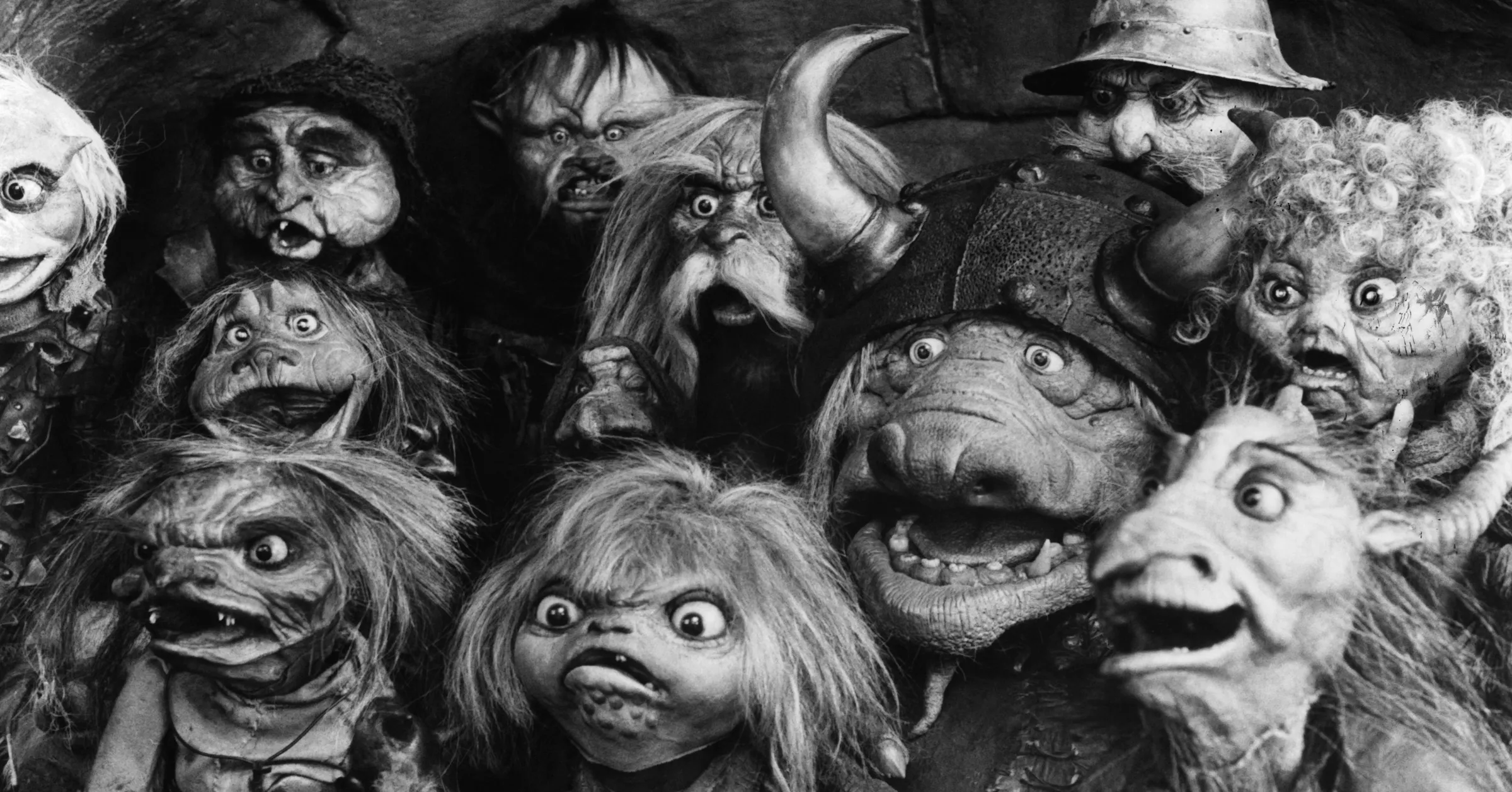
OpenAI has updated internal instructions for its Codex coding agent to explicitly prohibit the model from referencing mythical creatures or real animals unless the subject is absolutely relevant to a user's query. The specific directive, revealed after user reports, states: "Never talk about goblins, gremlins, raccoons, trolls, ogres, pigeons, or other animals or creatures unless it is absolutely and unambiguously relevant to the user's query."
This policy adjustment follows complaints from users of OpenClaw, an agentic harness acquired by OpenAI in February, which occasionally generated content fixated on these entities. OpenClaw allows AI to automate tasks such as answering emails or shopping, and users can select specific personae for their helper. Staff member Nik Pash acknowledged that the reported "goblin tendencies" were indeed one of the reasons for the new instruction.
The restriction targets the probabilistic nature of large language models, particularly when deployed within agentic frameworks like OpenClaw. While models such as GPT-5.5 appear intelligent due to their ability to predict the next word or code, their underlying mechanics can lead to unexpected outputs. This drift becomes more pronounced when additional instructions or long-term memory are combined with the core model.
The issue has gained traction as a viral meme, inspiring AI-generated art of goblins in data centres and playful "goblin mode" plugins for Codex. OpenAI CEO Sam Altman joined the public discussion by posting a meme prompt joking about training GPT-6 with "extra goblins," further amplifying the conversation around the model's quirks.
Despite the public nature of the instruction, OpenAI did not immediately respond to a direct request for comment regarding the specific rationale behind the ban. It remains unclear exactly why the company felt compelled to spell out this specific prohibition for Codex prior to the user reports, or why the models might spontaneously discuss goblins or pigeons without explicit prompting.
The update comes as OpenAI intensifies competition with rivals like Anthropic to deliver cutting-edge AI capabilities. Coding has emerged as a killer capability in this race, and the company recently released GPT-5.5 with enhanced coding skills. The incident highlights the ongoing challenges in managing the unpredictable behaviour of advanced AI systems even as they become more integrated into daily workflows.