OpenAI CTO Greg Brockman details Elon Musk's 2017 exit from board in trial testimony
Testimony from a 2026 trial reveals the internal deliberations and personal journals that shaped the rift between Musk and OpenAI's leadership
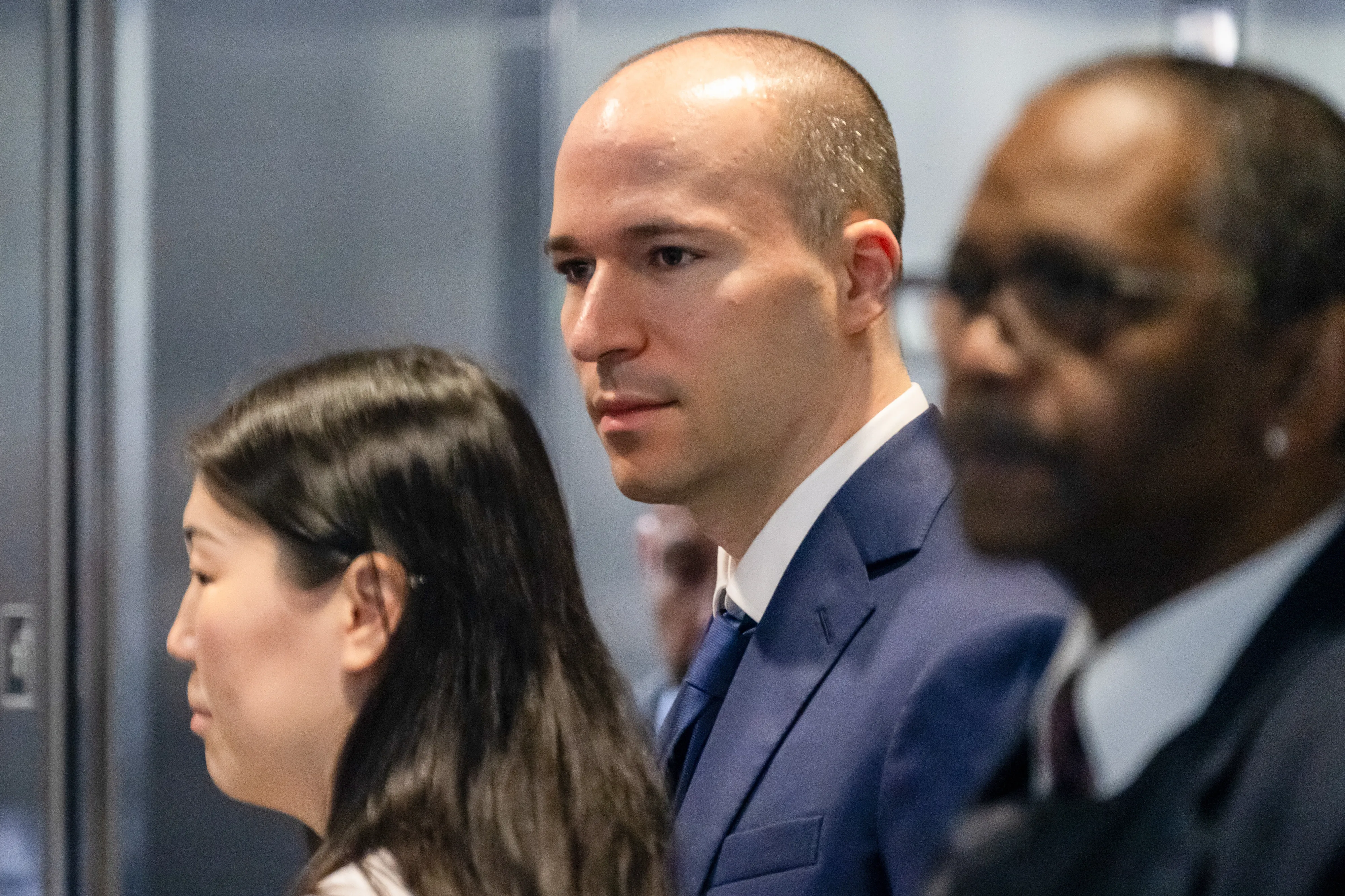
Former OpenAI CTO Greg Brockman has provided detailed testimony regarding the circumstances surrounding Elon Musk's departure from the company's board in February 2018. Speaking during a trial in 2026, Brockman recounted a volatile meeting in August 2017 where Musk insisted on obtaining full control of the organisation's for-profit subsidiary. When the co-founders, including Brockman and Ilya Sutskever, rejected this demand by proposing equal equity shares instead, Musk reportedly became enraged and left the room abruptly.
Brockman described the atmosphere in the room as tense, noting that Musk had just gifted each founder a Tesla Model 3 in an attempt to secure their support. During the meeting, Musk stood up and stormed around the table, grabbing a painting of a Tesla that had been commissioned as a friendly gesture before heading for the door. Upon exiting, Musk turned back to ask the founders when they intended to depart OpenAI, a moment Brockman recalled with the description that he thought Musk might strike him.
Following this confrontation, the relationship between Musk and the remaining founders deteriorated rapidly. Musk ceased his regular donations to the non-profit's operating budget, though he continued to fund shared office space with his company, Neuralink, until 2020. The dispute eventually led Musk to formally leave the board in February 2018, concluding that the organisation was on a path of certain failure. This breakdown in relations later contributed to Musk filing a lawsuit in 2024 alleging that the founders had converted the charity into a for-profit entity without his consent.
Central to the recent testimony was the production of personal journals kept by Brockman at the time of the dispute. Musk's legal team cited entries from November 2017 where Brockman expressed concern about the morality of converting the non-profit without Musk's agreement. While Musk's lawyers interpreted a specific phrase as an admission of dishonesty, Brockman testified that the context referred to a potential plan to remove Musk from the board, a course of action they ultimately did not pursue.
The trial also highlighted a fundamental disagreement regarding the nature of artificial intelligence and the resources required to develop it. Brockman testified that Musk did not possess a deep understanding of AI development, citing an incident where Musk dismissed an early version of the software that would later become ChatGPT. Brockman argued that failing to recognise the potential of that early demonstration was a critical error that set the subsequent events in motion.
Financial stakes were also a focal point of the proceedings. Brockman stated that his current stake in OpenAI is worth nearly $30 billion, a figure that drew sharp criticism from Musk's lead attorney, who questioned why he had not donated the bulk of that value to the charity. Conversely, Brockman noted that while he has donated $100,000 to the organisation, the non-profit itself holds over $150 billion in OpenAI equity value, a result he attributed to the hard work done after Musk's departure.
